
Dietary Supplements: A Practical Guide to Multivitamins, Omega-3, Magnesium, Collagen, Probiotics & More

Introduction:
Walk into any pharmacy or scroll through any wellness app, and you'll find shelves and feeds crowded with supplements promising more energy, better sleep, glowing skin, and stronger immunity. Dietary supplements have become a multi-billion dollar industry, yet most people choosing them have little guidance on which ones are backed by real evidence, which are genuinely necessary, and which are simply expensive urine.
Supplements are not a substitute for a balanced diet, but for many people, they fill genuine nutritional gaps caused by modern eating patterns, soil depletion, restrictive diets, age-related absorption changes, or specific health conditions. The challenge lies in separating well-researched, targeted supplementation from trend-driven marketing that oversells benefits and glosses over risks.
This guide breaks down the most commonly used supplements, multivitamins, omega-3s, magnesium, collagen, and probiotics, along with several others worth knowing about, explaining what the science actually says, who tends to benefit most, and how to approach supplementation thoughtfully rather than impulsively.
Do You Actually Need a Multivitamin?
Multivitamins are often the first supplement people reach for, largely because they feel like a convenient safety net. The evidence, however, is more nuanced than the marketing suggests.
For people eating a varied, balanced diet, large-scale studies have generally found limited benefit from daily multivitamin use in preventing chronic disease or extending lifespan. However, multivitamins can be genuinely useful for specific groups: those with restrictive diets (vegan or vegetarian eating patterns, for example, often fall short on B12, iron, and zinc), older adults with reduced nutrient absorption, people recovering from illness or surgery, and those with diagnosed deficiencies confirmed through bloodwork.
Rather than taking a multivitamin as a blanket precaution, it's more effective to identify actual gaps, through diet review or lab testing, and supplement specifically for those gaps rather than relying on a broad, one-size-fits-all formula.
Omega-3 Fatty Acids: The Anti-Inflammatory Essential
Omega-3 fatty acids, particularly EPA and DHA found in fish oil, are among the most researched supplements available, with substantial evidence supporting their role in heart, brain, and joint health.
Cardiovascular Benefits:
Omega-3s help lower triglycerides, reduce inflammation, and support healthy blood vessel function, making them particularly relevant for people with elevated triglyceride levels or a family history of heart disease.
Brain and Mood Support:
DHA is a major structural component of brain cell membranes, and emerging research links adequate omega-3 intake to cognitive function and mood regulation, though results vary based on baseline intake and individual response.
Joint and Skin Health:
The anti-inflammatory properties of omega-3s can help ease joint stiffness and support skin barrier function, complementing rather than replacing topical skincare approaches.
People who eat fatty fish like salmon, mackerel, or sardines at least twice a week may already meet their omega-3 needs through diet. For those who don't, a supplement providing a combined 250 to 500 milligrams of EPA and DHA daily is a commonly cited general wellness range, though individual needs vary and higher therapeutic doses should be guided by a healthcare provider.
Magnesium: The Underrated Mineral
Magnesium is involved in over 300 enzymatic reactions in the body, including muscle function, nerve signaling, blood sugar regulation, and energy production, yet it's one of the most common nutritional shortfalls in modern diets due to processed food consumption and soil depletion.
Sleep and Relaxation:
Magnesium plays a role in regulating neurotransmitters that promote calm and support the nervous system, which is why many people report improved sleep quality and reduced muscle tension with supplementation.
Muscle Function and Cramps:
Athletes and physically active individuals often turn to magnesium to help reduce cramping and support muscle recovery, particularly when sweat losses are high.
Choosing the Right Form:
- Magnesium glycinate: Well absorbed and gentle on the stomach, often favored for sleep and relaxation support.
- Magnesium citrate: Commonly used and generally well tolerated, though higher doses can have a mild laxative effect.
- Magnesium oxide: Inexpensive but poorly absorbed, making it less effective for correcting a true deficiency.
- Magnesium threonate: Marketed for cognitive benefits due to its ability to cross the blood-brain barrier, though research is still developing.
Most adults benefit from 200 to 400 milligrams daily, ideally from a well-absorbed form, though people with kidney issues should consult a healthcare provider before supplementing.
Collagen: What the Science Actually Shows
Collagen supplements, usually in powder or capsule form, have surged in popularity for their promised effects on skin elasticity, joint comfort, and hair and nail strength. The science here is genuinely encouraging, though it comes with important nuance.
When ingested, collagen is broken down into peptides and amino acids during digestion, the same way any dietary protein is processed. The body then uses these building blocks, alongside signals triggered by collagen peptides specifically, to support its own collagen production. Several clinical studies have shown modest improvements in skin elasticity, hydration, and joint comfort with consistent collagen peptide supplementation over 8 to 12 weeks or longer.
What Collagen Won't Do:
Collagen supplements are not a replacement for sun protection, and no amount of oral collagen can outweigh the collagen breakdown caused by unprotected UV exposure. It also isn't an instant fix, since visible changes typically take consistent use over several weeks to appreciate, and results vary based on age, baseline collagen levels, and overall diet.
For those considering collagen, hydrolyzed collagen peptides (broken down for easier absorption) combined with vitamin C, which is essential for the body's own collagen synthesis, tend to be the most evidence-supported combination.
Probiotics: Supporting Gut and Beyond
Probiotics are live beneficial bacteria that support the gut microbiome, the vast community of microorganisms that influences digestion, immune function, and increasingly, aspects of mood and skin health through what's often called the gut-skin and gut-brain axis.
Digestive Health:
Probiotics are best supported by evidence for specific digestive concerns, including antibiotic-associated diarrhea, certain cases of irritable bowel syndrome, and general digestive regularity, though effects are strain-specific rather than universal.
Immune and Skin Connections:
A balanced gut microbiome plays a role in immune regulation, and some research suggests connections between gut health and inflammatory skin conditions like acne and eczema, though this area of research is still evolving.
Strain Specificity Matters:
Not all probiotics are created equal. Benefits are tied to specific, well-studied strains (such as Lactobacillus rhamnosus GG or Bifidobacterium lactis) rather than the term “probiotic” as a whole, so checking for the specific strain and its associated research is more useful than choosing based on total CFU (colony forming units) count alone.
Fermented foods like yogurt, kefir, and sauerkraut can also contribute beneficial bacteria, making supplementation most useful for people with limited dietary intake of these foods or specific digestive concerns.
Other Supplements Worth Knowing About
Beyond the most commonly discussed options, several other supplements have meaningful evidence behind specific use cases.
Vitamin D:
Often called the sunshine vitamin, vitamin D deficiency is remarkably common, especially in people with limited sun exposure, darker skin tones, or those living at higher latitudes. It plays a central role in bone health, immune function, and mood regulation, and blood testing is the most reliable way to determine individual dosing needs.
Iron:
Essential for oxygen transport in the blood, iron deficiency is particularly common among menstruating individuals, pregnant women, and those following plant-based diets. Supplementation should generally be guided by bloodwork, since excess iron can be harmful and isn't simply flushed out like some water-soluble vitamins.
Zinc:
Supports immune function, wound healing, and skin health, with deficiency more common in vegetarian or vegan diets due to lower bioavailability from plant sources compared to animal sources.
B-Complex Vitamins:
Involved in energy metabolism and nervous system function, B vitamins, particularly B12, are especially relevant for older adults and those following plant-based diets, since B12 is found almost exclusively in animal products.
Ashwagandha and Adaptogens:
An herbal supplement gaining popularity for stress and cortisol support, with early research suggesting benefits for stress markers and sleep quality, though more robust long-term research is still needed.
Supplement Safety: What Everyone Should Know
Because supplements are regulated differently from pharmaceuticals in most countries, quality, purity, and accurate labeling can vary significantly between brands, making informed choices especially important.
- Look for third-party testing: Certifications from independent testing organizations help verify that a product contains what its label claims, free from harmful contaminants.
- Be cautious of megadosing: More is not always better; fat-soluble vitamins like A, D, E, and K can accumulate to toxic levels, unlike water-soluble vitamins that are more easily excreted.
- Watch for interactions: Certain supplements can interact with medications, including blood thinners, thyroid medication, and antidepressants, making a conversation with a healthcare provider important before starting anything new.
- Prioritize whole foods first: Supplements are designed to fill gaps, not replace the broader benefits of nutrient-dense whole foods, which offer fiber, phytonutrients, and synergistic compounds that isolated supplements can't fully replicate.
- Test before you guess: Bloodwork for vitamin D, B12, iron, and other key markers takes the guesswork out of supplementation and helps avoid unnecessary spending or unnecessary risk.
Kiwla's Supplement Essentials: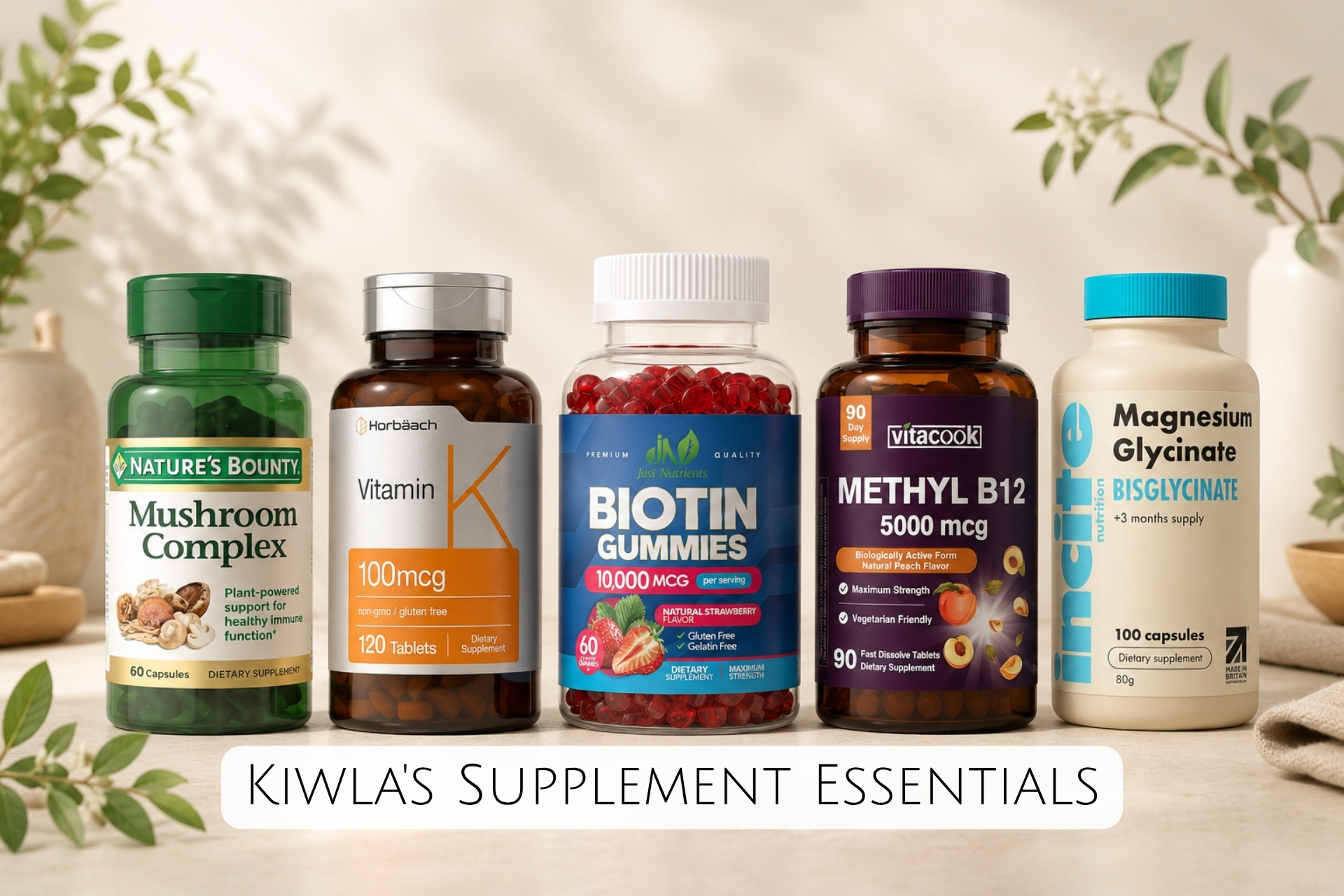
Kiwla's supplement range is built around the same evidence-first approach used across its wellness line, offering third-party tested omega-3 softgels sourced for optimal EPA and DHA ratios, bioavailable magnesium glycinate for sleep and muscle recovery, hydrolyzed collagen peptides paired with vitamin C for skin and joint support, and targeted probiotic blends featuring clinically studied strains for digestive and gut-skin health. Rounding out the range are foundational options like vitamin D3, B-complex formulas, and a whole-food-based multivitamin designed to complement, rather than replace, a balanced diet. Every formula is dosed based on published research rather than trend-driven marketing, and detailed sourcing and testing information is available for anyone who wants to look under the hood before adding a new supplement to their routine.
Building a Personalized Supplement Routine
Rather than adopting a generic stack of ten different supplements, a more effective approach starts with identifying actual needs and building gradually.
- Start with bloodwork: Basic panels checking vitamin D, B12, iron, and a general metabolic panel reveal genuine deficiencies rather than assumed ones.
- Review your diet honestly: Consider what food groups you consistently under-eat, whether that's fatty fish, leafy greens, fermented foods, or animal protein, to identify likely gaps.
- Introduce one supplement at a time: This makes it easier to notice effects, tolerate any digestive adjustment, and identify what's actually helping.
- Reassess periodically: Needs shift with age, diet changes, pregnancy, activity level, and health conditions, so a supplement routine built five years ago may not reflect current needs.
- Consult a professional for complex needs: A doctor, registered dietitian, or pharmacist can help navigate interactions, appropriate dosing, and whether a supplement is truly necessary for your situation.
Conclusion:
Dietary supplements can be a genuinely valuable tool when used thoughtfully, filling real nutritional gaps rather than serving as a substitute for balanced eating or a quick fix for complex health concerns. Multivitamins, omega-3s, magnesium, collagen, and probiotics each have specific, evidence-supported roles, but their effectiveness depends heavily on individual need, product quality, and consistency of use. Rather than chasing the latest trending supplement, the most effective approach starts with understanding your own body, testing where possible, and building a routine grounded in evidence rather than marketing. Supplementation, done well, isn't about taking more, it's about taking what actually matters for you.
Recent Posts
-

Does Your Sunscreen Actually Survive an Indian Commute? Sweat-Resistant Sunscreen, PA Ratings, and Why a UK Formula Melts at 90% Humidity
It's 9:15 a.m. You applied sunscreen at 8:30 like a responsible adult. Then came the walk to the met
-

Creatine for Women and Non-Gym-Goers: Why the “Bulking Supplement” Label Is Finally Outdated
You've probably scrolled past a creatine tub in a supplement aisle and mentally filed it under “not
-
Bond Repair vs. Protein Treatments: Is Your “Damaged” Hair Actually Protein-Overloaded?
Your hair feels rough, so you buy a keratin mask. Still rough, so you add a protein leave-in. Then a