
Health-span vs Life-span: What Does ‘Living Better’ Really Mean?
Introduction: Defining Health-span and Life-span
In the world of healthcare and wellness, the concept of health-span versus life-span has become a hot topic of discussion. While most people are familiar with the idea of life-span – the number of years a person is expected to live – health-span focuses on the number of years a person lives in good health, free from illness and disease. As we strive for longevity, it is equally important to prioritize quality of life and overall well-being. This article delves into the differences between health-span and life-span, and what it truly means to 'live better' in today's world.
The Differences Between Health-span and Life-span:
Life-span and health-span are closely related but fundamentally different concepts that frame how we think about aging and well-being. Life-span refers to the total duration of time a person lives—from birth to death—essentially measuring the quantity of years one accumulates over a lifetime. It is a definitive count of time lived, regardless of health status or quality of life during those years.
Health-span, on the other hand, focuses on the quality of those years lived. It represents the length of time an individual can enjoy life free from serious chronic diseases, disabilities, or functional impairment. Health-span emphasizes living actively, independently, and with good physical and mental health rather than simply existing. For example, a person might have a life-span of 90 years but only 65 of those years might be considered healthy and disease-free, with the remaining years potentially burdened by chronic illness or disability.
The difference between the two highlights that a longer life-span does not necessarily mean a better or healthier life. Someone might live many years but suffer from diseases that severely impact their quality of life, reducing their health-span. Conversely, a person might live a shorter life but with high functionality, independence, and well-being, thereby having a relatively longer health-span.
Understanding this distinction matters because it shifts the goal of longevity research and healthcare from merely adding years to life, to adding life to years. The aim is to compress the time spent in poor health or disability to the very end of the lifespan, allowing people to enjoy more years of vitality and fewer years of decline.
Thus, while life-span measures how long we live, health-span measures how well we live during those years. Prioritizing health-span means adopting preventive healthcare, healthy lifestyle habits like balanced nutrition, regular exercise, quality sleep, and mental well-being to maximize active and disease-free years. Ultimately, the aspiration is to have a long life-span that is matched by an equally long and fulfilling health-span.
The Importance of Prioritizing Health-span Over Life-span:
Prioritizing health-span over life-span is fundamentally about valuing the quality of life rather than simply its duration. While life-span measures how many years a person lives, health-span focuses on how many of those years are spent in good health, free from chronic diseases, disabilities, and debilitating conditions. This distinction is critically important because increasing life-span without improving health-span can lead to prolonged periods of illness, dependency, and reduced well-being.
The importance of prioritizing health-span includes several key aspects:
-
Enhancing Quality of Life:
A longer health-span means more years of independence, vitality, and active engagement in meaningful activities like work, hobbies, and social connection. It emphasizes adding life to years, not just years to life.
-
Reducing Healthcare Burden:
Extending life without health increases the strain on healthcare systems, families, and caregivers due to the costs and labor of managing chronic illnesses and disabilities. Prioritizing health-span helps reduce these costs and improves resource allocation.
-
Ethical and Social Implications:
There are ethical concerns about prolonging life at the expense of quality, potentially increasing suffering and diminished dignity. Prioritizing health-span shifts the focus to preventative care, maintaining function, and reducing morbidity.
-
Focus on Prevention and Lifestyle:
Health-span is especially influenced by lifestyle factors such as nutrition, physical activity, adequate sleep, and mental health. These prevent or delay onset of chronic diseases like cardiovascular disease, diabetes, cancer, and neurodegeneration. Recent biomedical advances also aim to target aging processes to delay multiple diseases together, thus increasing health-span.
-
Compression of Morbidity:
The goal is to compress the period of illness or disability into the shortest time possible, ideally the very end of life. This model supports aging with dignity and maintains quality until near the time of death.
-
Broader Societal Benefits:
Beyond individuals, prioritizing health-span supports social and economic productivity, reduces isolation and mental health issues among older adults, and improves overall societal well-being.
In summary, focusing on health-span over life-span ensures that as people live longer, they continue to live well—remaining functional, independent, and engaged. This paradigm encourages a holistic approach involving healthy lifestyle choices, preventive healthcare, and research into delaying biological aging, all of which contribute to a more vibrant, fulfilling life and reduce the personal and societal costs of aging.
Factors Influencing Health-span: Genetics, Lifestyle, and Environment:
Several key factors influence health-span, shaping how long a person lives in good health free from chronic diseases, disabilities, and functional decline. These factors include genetics, lifestyle, and environment, which interact complexly to determine individual variation in healthy aging.
Genetics: 
Genetics contribute approximately 20-30% to a person's life-span and health-span, setting the basic biological potential for longevity and resilience. Genes affect processes such as DNA repair, inflammation control, cellular maintenance, and resistance to oxidative stress—all key mechanisms underlying aging and age-related diseases. Specific gene variants, like those involved in lipid metabolism, immune response, and telomere length, influence how efficiently the body can repair damage and maintain function as it ages. However, genetics alone are not deterministic; they provide a baseline that can be modified by external factors.
Lifestyle: 
Lifestyle choices have a more significant impact than genetics on health-span, especially during the first several decades of life. Regular physical exercise, balanced nutrition rich in essential micronutrients and antioxidants, adequate sleep, and effective stress management all promote cellular health and delay the onset of chronic diseases like cardiovascular conditions, diabetes, and neurodegeneration. Avoiding harmful behaviors such as smoking and excessive alcohol consumption markedly improves health-span. Advances in lifestyle medicine emphasize personalized interventions targeting nutrient sensing pathways and metabolic balance to optimize longevity and health-span. The concept of "compression of morbidity," where illness is delayed to the final years of life, is strongly influenced by lifestyle.
Environment: 
Environmental factors also crucially shape health-span. Long-term exposure to pollutants, toxins, and stressors can accelerate biological aging by inducing inflammation, DNA damage, and metabolic dysfunction. Socioeconomic factors like access to clean air and water, quality healthcare, adequate nutrition, safe housing, education, and social support directly affect an individual's ability to maintain health and functional independence with age. Some environmental influences such as smoking are modifiable, while others, including urban pollution and climate conditions, require larger societal action to address. Epigenetics research underscores how environmental and behavioral factors can regulate gene expression, affecting aging and health outcomes.
Together, these factors shape the trajectory of health-span by interacting at molecular, cellular, and systemic levels. While genetics create a foundation, lifestyle and environment largely determine how well someone ages and how long they remain healthy. Optimizing these modifiable influences through preventive healthcare, wellness habits, and environmental improvements holds the greatest promise for extending health-span and ensuring more vibrant, independent years of life.
This holistic understanding of the multifactorial determinants of health-span encourages a comprehensive approach to healthy aging that integrates genetic insights with lifestyle choices and environmental awareness.
Strategies for Enhancing Health-span:
Strategies for enhancing health-span focus on holistic lifestyle interventions that nourish the body, maintain physical function, and support mental well-being, backed by emerging scientific research demonstrating their profound impact on healthy aging.
Nutrition: 
Optimal nutrition is fundamental to extending health-span. Diets rich in whole, minimally processed foods—especially vegetables, fruits, nuts, whole grains, legumes, and lean proteins—provide essential micronutrients and antioxidants that combat oxidative stress and inflammation, key contributors to aging and chronic diseases. Emerging research highlights the benefits of caloric restriction and intermittent fasting protocols, which activate cellular repair pathways like autophagy, promote metabolic efficiency, and have been linked to increased health-span in animal models and preliminary human studies. Personalized nutrition, leveraging genetic and microbiome data, is gaining traction to tailor dietary recommendations for maximal metabolic and cellular health. Additionally, reducing excessive sugar, ultra-processed foods, and harmful fats supports cardiovascular health and brain function, critical domains for maintaining independence with age.
Exercise: 
Regular physical activity is one of the most effective proven strategies for enhancing health-span. Exercise promotes cardiovascular fitness, muscle strength, coordination, and bone density, all of which preserve mobility and reduce the risk of falls and fractures. Aerobic exercises, resistance training, balance workouts, and flexibility routines each play complementary roles in preventing sarcopenia (muscle loss), osteoporosis, and metabolic diseases. Exercise also positively modulates inflammatory markers, insulin sensitivity, and mitochondrial health—biological hallmarks linked to aging and longevity. Moreover, movement supports cognitive function through increased blood flow and neurotrophic factors, helping delay neurodegenerative decline. Public health guidelines emphasize at least 150 minutes of moderate-intensity aerobic activity plus muscle-strengthening exercises weekly for adults to optimize health-span outcomes.
Mental Wellness: 
Cognitive and emotional health are crucial pillars of health-span. Maintaining mental wellness through stress management, social engagement, lifelong learning, mindfulness practices, and adequate sleep supports brain plasticity, emotional resilience, and reduces risks of depression and dementia. Increasing evidence connects chronic stress and poor mental health with accelerated biological aging and immune dysregulation. Strategies such as meditation, cognitive behavioral therapies, community involvement, and purposeful activities help mitigate these effects and promote a sense of meaning and fulfillment—key factors in healthy aging.
How Kiwla Supports Your Health-span Journey:
Kiwla supports the idea of ‘living better, not just longer’ by offering a wide range of science-led vitamins, longevity-focused supplements, and wellness essentials that help people protect energy, immunity, cognition, and metabolic health across all stages of life. From antioxidant and cellular-health formulas to daily multivitamins, mood-support blends, adaptogenic herbs, and joint, heart, and brain health products, Kiwla’s health and wellness collection is designed to complement lifestyle changes like better nutrition, movement, and stress management so that more of your years can be spent feeling active, independent, and well. By making high-quality global brands easily accessible online in India, Kiwla empowers individuals to take proactive, preventive steps toward extending health-span—supporting immunity, resilience, and healthy aging rather than just adding years to the calendar.
Current Trends and Research: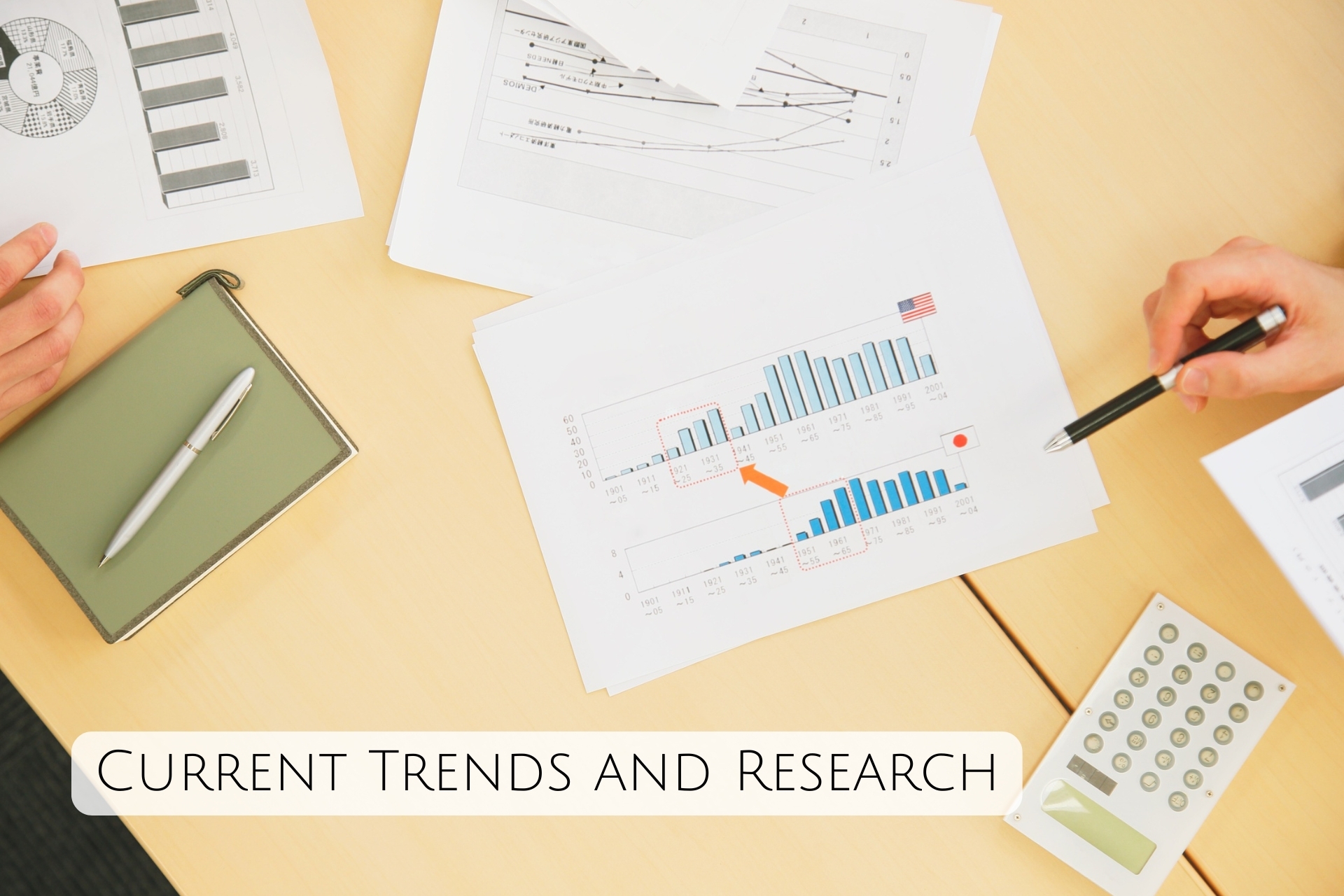
Cutting-edge health-span research is advancing rapidly, focusing on the biology of aging, including the role of senescent cells, telomere dynamics, mitochondrial function, and epigenetic modifications. Therapies targeting these pathways (e.g., senolytics to clear senescent cells) are progressing through clinical trials. Nutraceuticals and supplements like NAD+ precursors, metformin, and rapalogs are being explored for their potential to mimic caloric restriction effects and support metabolic health. Precision medicine approaches integrate genetics, metabolomics, and artificial intelligence to personalize interventions for optimum health-span extension. Simultaneously, digital health technologies and wearable devices enable continuous monitoring of vital metrics, empowering individuals to make real-time lifestyle adjustments promoting longevity. These advancements herald a new era where health-span extension becomes a central goal of medicine and public health.
Conclusion:
In a world where the pursuit of longevity is often equated with 'living better', it is essential to acknowledge the significance of a holistic approach to well-being. Nurturing our physical health through exercise and nutrition, tending to our mental and emotional wellness, cultivating social connections, and finding purpose and fulfillment in our daily activities are all integral components of a truly fulfilling life. By integrating these various aspects of health and wellness, we can strive towards not only extending our life-span but enriching our health-span as well. Let us commit to embracing a holistic approach to 'living better' and embark on a journey towards a more vibrant and meaningful existence.
Recent Posts
-

"THIRD-PARTY TESTED": WHAT NSF, USP, AND INFORMED SPORT ACTUALLY VERIFY
You've seen the little badges on supplement bottles — NSF, USP, Informed Sport — sitting there looki
-

Hair Fall & Hair Health in India: Understanding Nutrition, Scalp Care, Haircare & Key Nutrients
You notice it first on the pillow. Then in the shower drain. Then, one day, in a photo where the lig
-

Dietary Supplements: A Practical Guide to Multivitamins, Omega-3, Magnesium, Collagen, Probiotics & More
Introduction: Walk into any pharmacy or scroll through any wellness app, and you'll find shelves and