
From K-Beauty to Desi Beauty: How Korean Skincare Trends Are Shaping India’s Routine

Introduction:
Korean skincare, popularly known as K-Beauty, has taken the global beauty world by storm—and India is no exception. Rooted in a ritualistic approach that emphasizes healthy, glowing skin, K-Beauty is influencing Indian skincare routines like never before. While India has its rich heritage of Ayurvedic beauty practices, the latest wave of Korean innovations is merging with local traditions to create a unique fusion known as “Desi Beauty.” This blend is reshaping how people in India care for their skin in 2025, combining the best of both worlds for targeted, science-backed, and effective results.
From their innovative products to their multi-step routines, Korean beauty (K-beauty) has gained a strong following in India. With a focus on natural ingredients and a holistic approach to skincare, K-beauty has influenced the routines and preferences of Indian consumers. This blog will delve into how Korean skincare trends are shaping India’s beauty routine, from the rise of sheet masks to the popularity of double cleansing.
Overview of Korean Skincare Trends:
Key Principles and Products: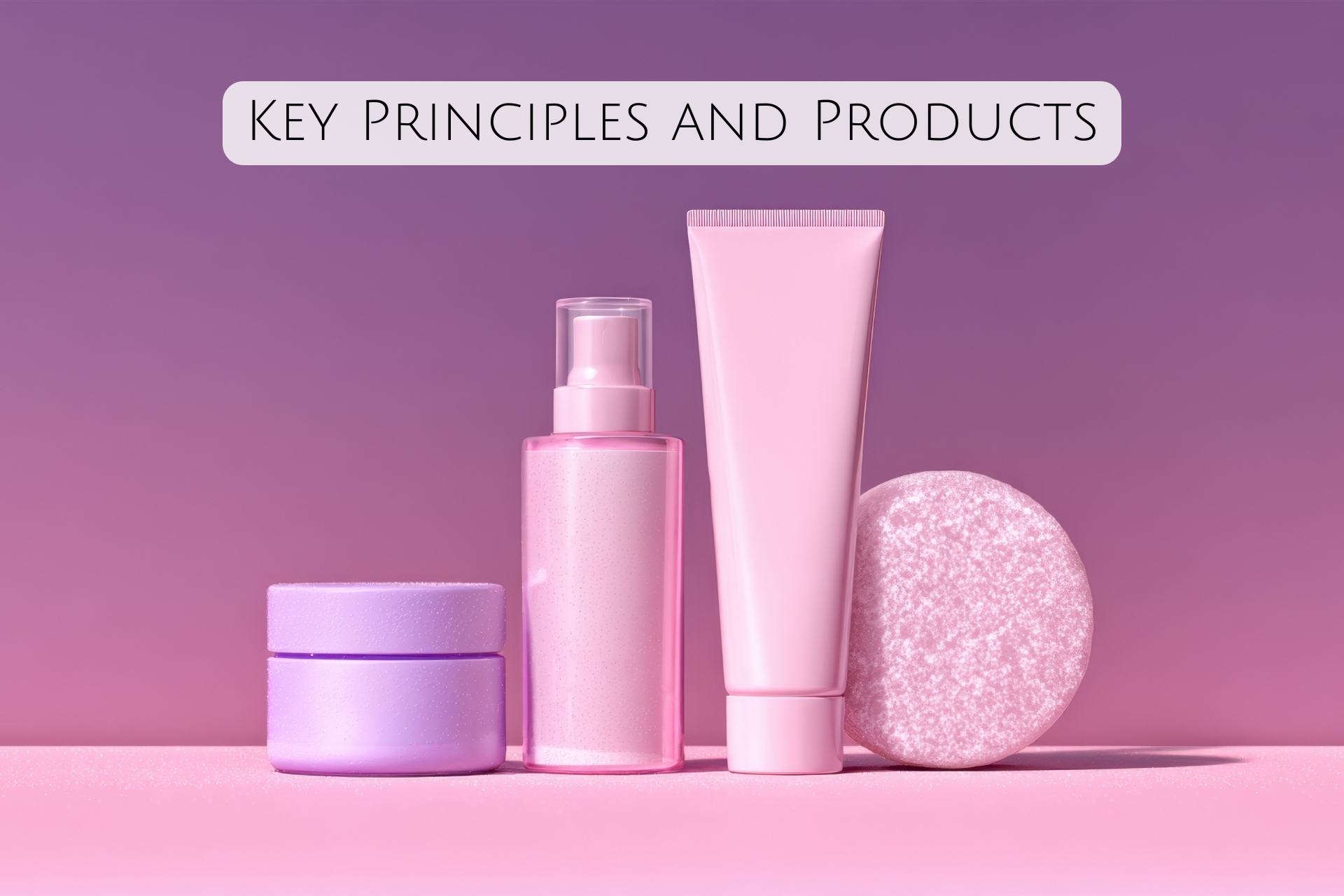
Korean skincare focuses on key principles such as gentle exfoliation, hydration, and layering products for optimal results. From essences to serums, each product is carefully formulated to address specific concerns and cater to various skin types. Some popular Korean skincare products include snail mucin, propolis, and hyaluronic acid, known for their nourishing and revitalizing properties. Understanding these principles and incorporating them into your routine can help achieve a healthy and glowing complexion.
The Rise of K-Beauty in India: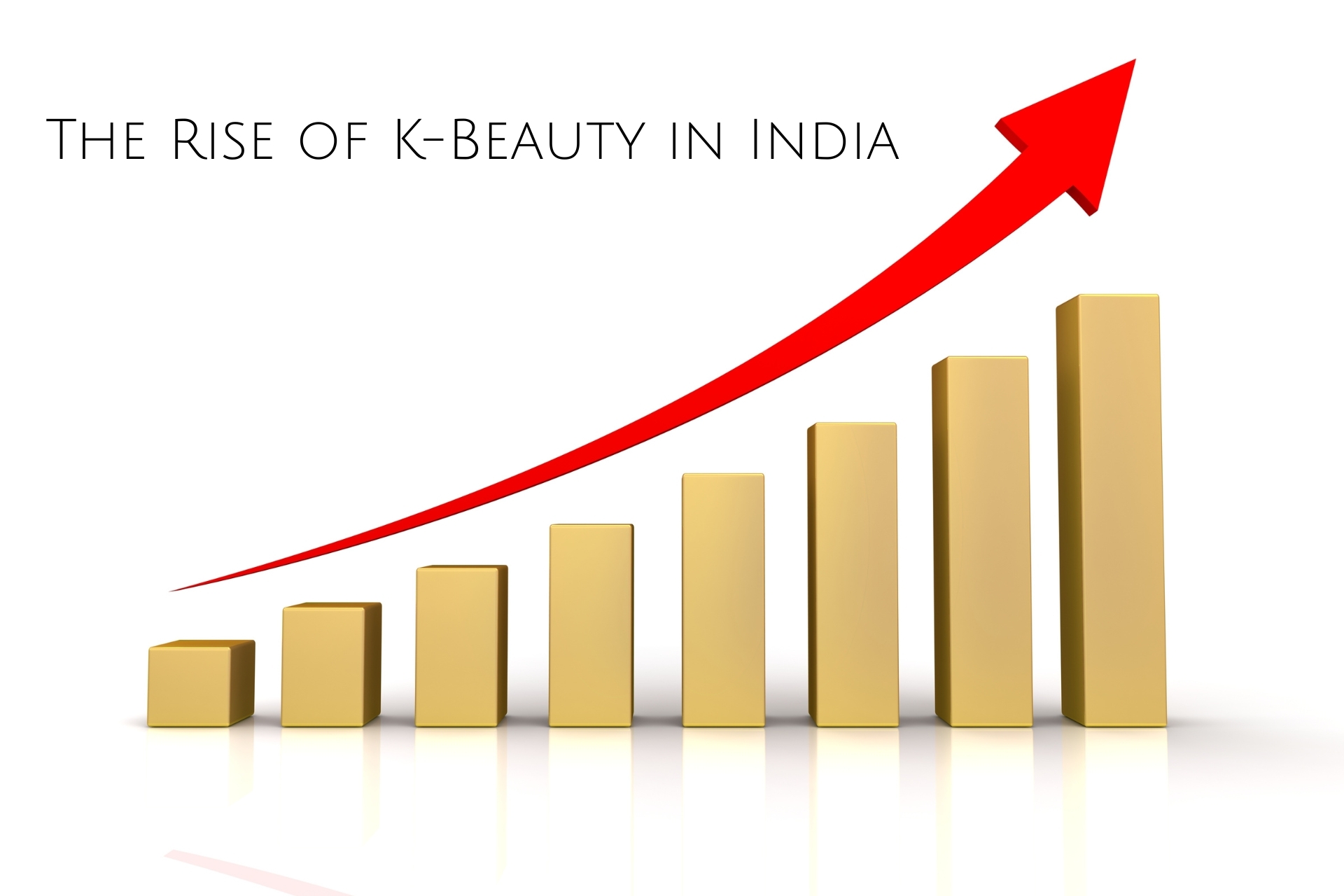
Korean skincare entered India as a niche indulgence but has quickly evolved into a mainstream phenomenon. With Indian consumers, especially Gen Z and millennials, embracing 10-step routines and innovative ingredients like snail mucin, propolis, and bamboo extract, K-Beauty’s appeal goes beyond trendiness to science-based effectiveness. Brands like COSRX and Innisfree have become household names by offering formulas adapted to Indian skin concerns such as pigmentation, pollution damage, and uneven hydration.
The rise of K-Beauty in India is reflected in the market growth—imports of Korean skincare have soared by over 63% annually, with young consumers actively discovering ingredient benefits and ritualistic care aligned with K-Beauty’s philosophy of long-term skin health.
Core Korean Skincare Principles Transforming Indian Routines:
-
Barrier-First Care:
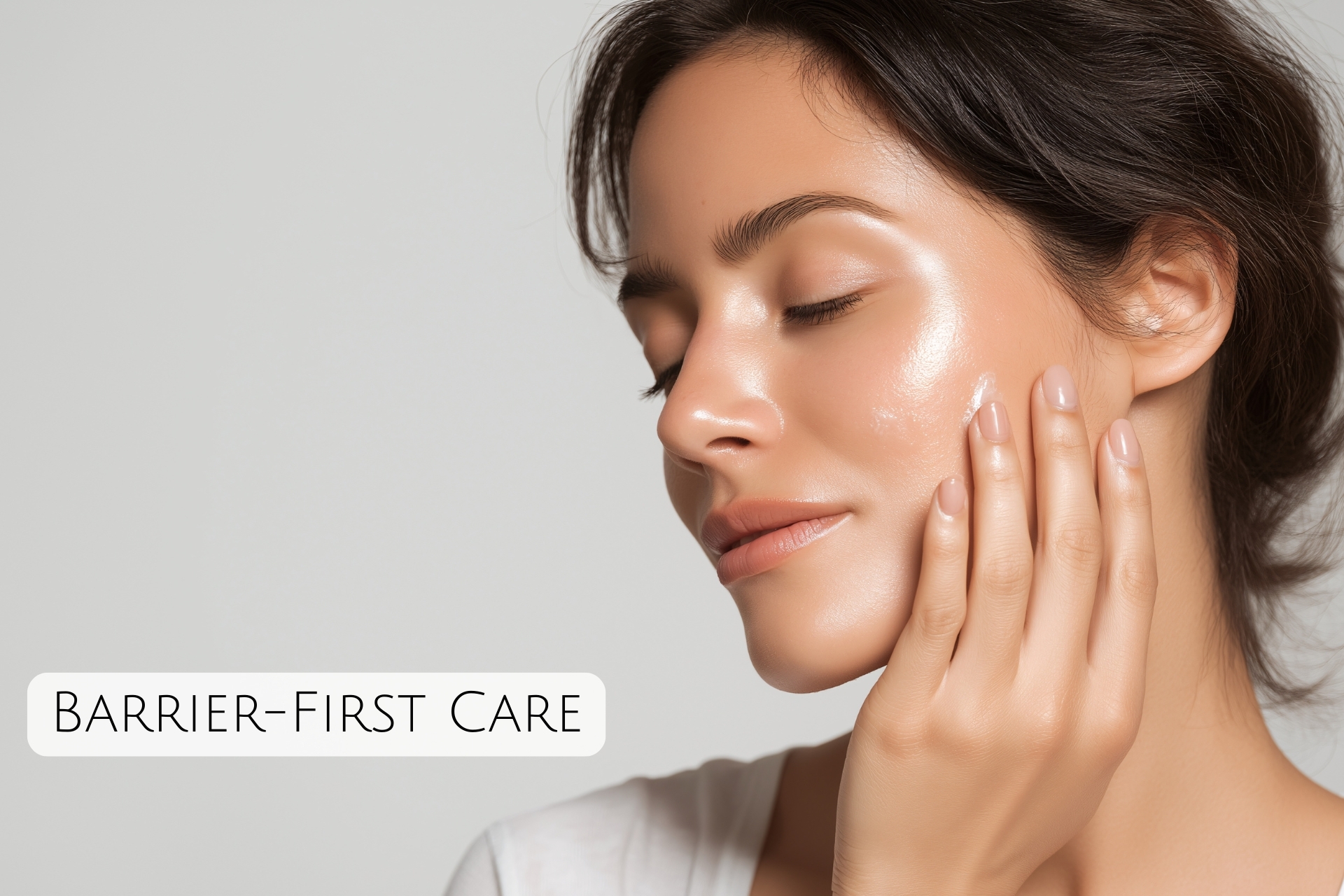
Prioritizing the skin’s natural protective barrier through ingredients like ceramides and beta-glucan. This approach is highly relevant to Indian skin, which often deals with sensitivity from environmental stressors.
-
Multi-Layer Hydration:
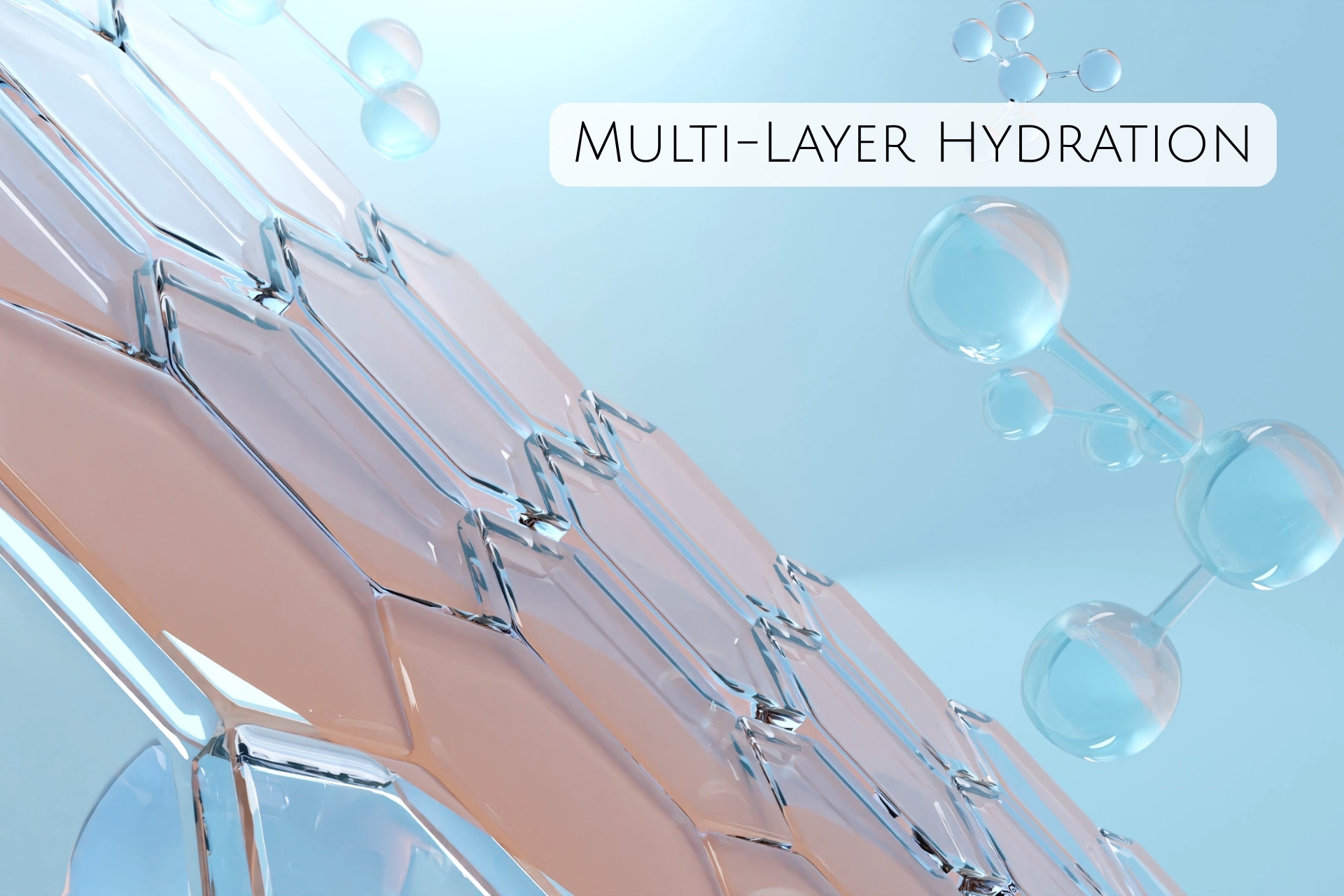
Using essences, serums, and gel creams that deeply hydrate without heaviness, catering to Indian skin’s unique balance of oiliness and dryness.
-
Gentle Regeneration:

Incorporating peptides, retinal, and snail mucin for repair and glow, helping with issues like acne scars and pigmentation common in India.
-
Skinimalism:
Lightweight and efficient products that simplify routines without compromising results, fitting busy Indian lifestyles.
Key Benefits of Adopting K-Beauty Routines in Indian Skincare:
Embracing K-Beauty routines can bring a myriad of benefits to Indian skincare enthusiasts. One of the primary advantages is the emphasis on hydration and nourishment, which is crucial in maintaining healthy and radiant skin, especially in diverse climatic conditions. Korean skincare methods also prioritize gentle yet effective ingredients, catering to sensitive skin types prevalent in India.
Additionally, the multi-step approach of K-Beauty regimens allows for a personalized skincare routine tailored to individual needs, promoting a holistic approach to skincare. By incorporating K-Beauty principles, Indians can experience not just surface-level improvements but also long-term skin health benefits.
The Multi-Step Routine Revolution: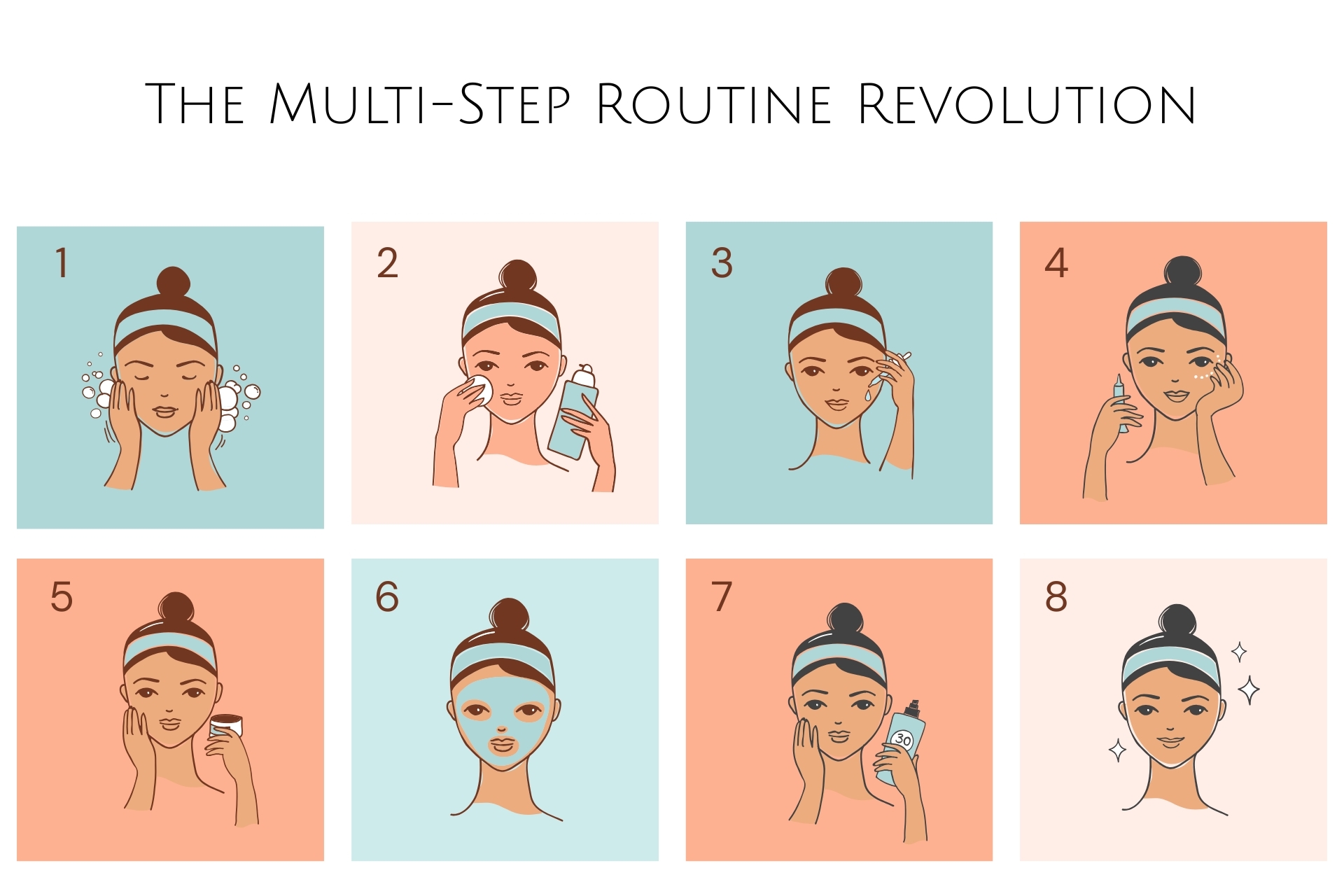
When K-Beauty first introduced its famous 10-step skincare routine, it sparked curiosity worldwide—and India was no exception. While the idea of layering so many products seemed excessive at first, it quickly gained attention for one key reason: results.
The philosophy behind this multi-step method isn’t about quantity—it’s about careful layering, ensuring each product works harmoniously to nourish, hydrate, and protect the skin barrier. Indian consumers, who traditionally followed simple routines (like cleansing with besan or moisturizing with aloe vera gel), began realizing how strategic layering could transform dull, uneven skin into a healthy, radiant complexion.
Here’s how each step contributes:
- Oil Cleanser: Removes makeup, SPF, and excess sebum without stripping natural oils.
- Foam or Gel Cleanser: Deep cleans pores, removing dirt and sweat—perfect for Indian humidity.
- Exfoliator (1–2 times a week): Gently buffs away dead skin cells for smoother texture.
- Toner: Balances pH levels and preps skin for better absorption.
- Essence: The heart of K-Beauty—infuses hydration and nutrients into deeper skin layers.
- Serum or Ampoule: Delivers high concentrations of active ingredients to target specific issues like pigmentation, acne, or dullness.
- Sheet Mask (optional): Provides an instant moisture surge—great for dry or stressed skin.
- Eye Cream: Hydrates delicate under-eye skin, reducing puffiness and fine lines.
- Moisturizer: Locks in hydration, ensuring a plump, dewy finish.
- SPF (daytime): Shields the skin from UV damage and pollution—an absolute must in Indian climates.
Traditional Indian Skincare: Analyzing Ingredients and Techniques:
While adopting K-Beauty practices offers an array of benefits, it's equally essential to appreciate and understand the rich heritage of traditional Indian skincare. Traditional Indian skincare emphasizes natural ingredients like turmeric, neem, and sandalwood, renowned for their healing and beautifying properties. Ayurvedic principles advocate personalized skincare routines based on one's dosha, ensuring a holistic and balanced approach. By exploring and incorporating traditional Indian ingredients and techniques into your skincare regimen alongside K-Beauty practices, you can harness the best of both worlds and tailor your routine to suit your skin's unique needs.
Ingredient Spotlight: K-Beauty Favourites Loved in India:
The magic of K-Beauty lies in its ingredients—powerful, gentle, and deeply hydrating. What sets these apart is the balance between traditional natural extracts and modern scientific formulations, making them perfect for Indian skin, which often struggles with sensitivity, pigmentation, and pollution damage.
Here are the top K-Beauty ingredients that have become favourites among Indian skincare users:
1. Snail Mucin:
A hero ingredient for hydration and repair, snail mucin helps fade acne scars, boost collagen, and restore skin elasticity. Its lightweight texture works wonders for combination and acne-prone Indian skin, which often lacks balanced moisture.
2. Niacinamide: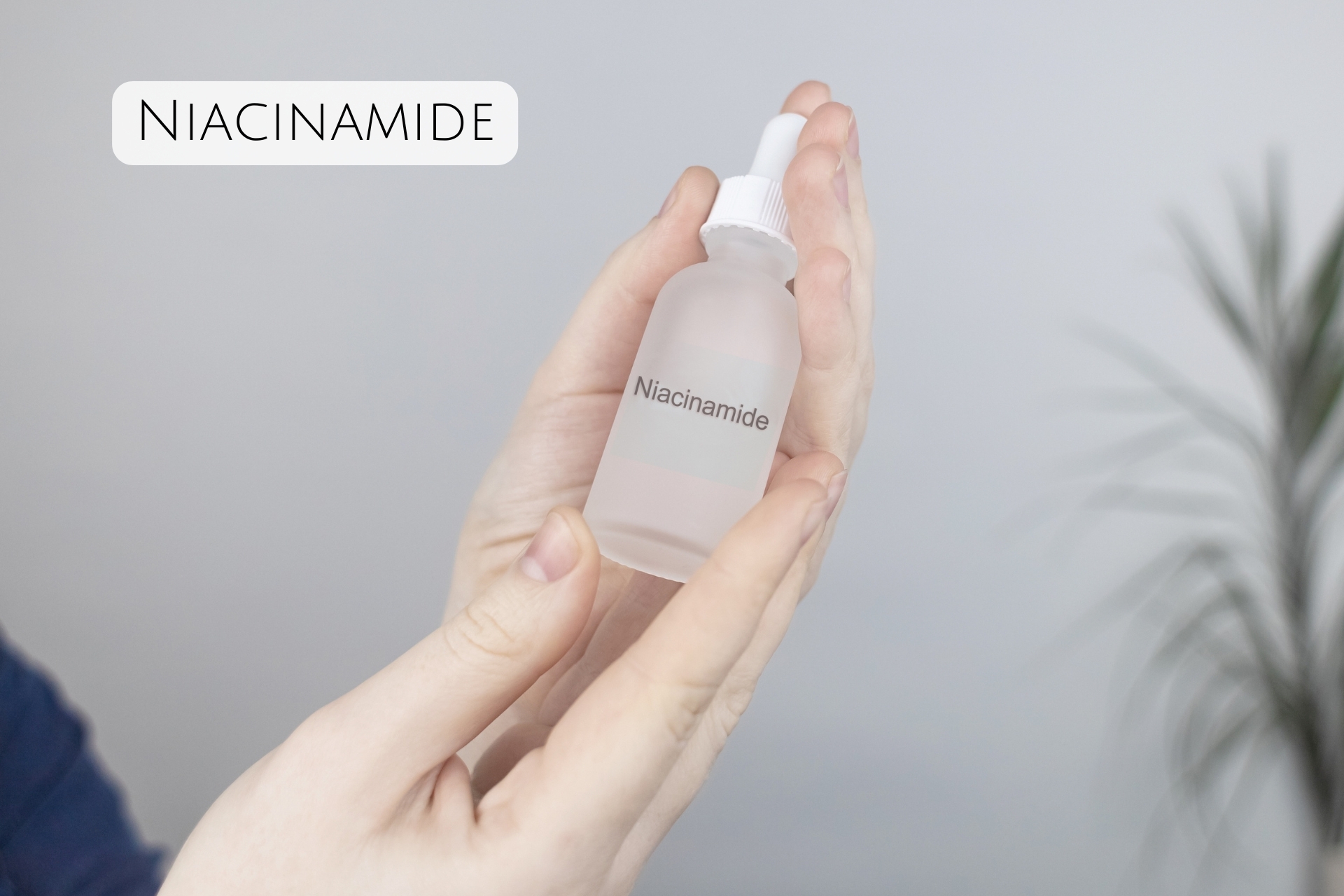
This powerful form of Vitamin B3 is a game-changer for uneven tone and pigmentation, two of the most common Indian skin concerns. It brightens dullness, minimizes pores, and strengthens the skin barrier—all without irritation.
3. Centella Asiatica (Cica):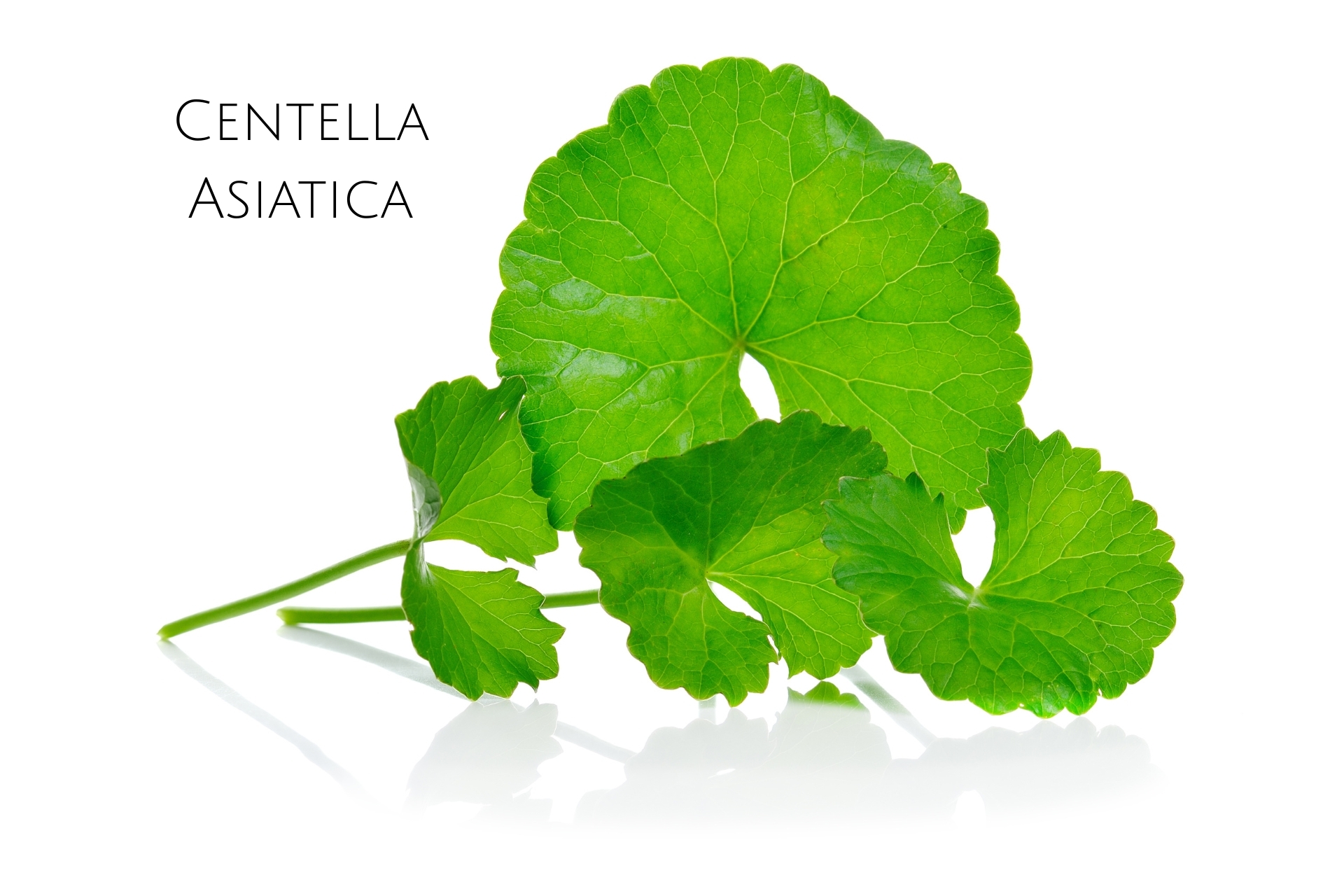
Known in India as Gotu Kola, this ancient herb has resurfaced in K-Beauty formulas for its soothing and healing properties. It’s ideal for calming inflammation, sunburns, or post-acne redness—issues common in India’s humid and polluted cities.
4. Hyaluronic Acid: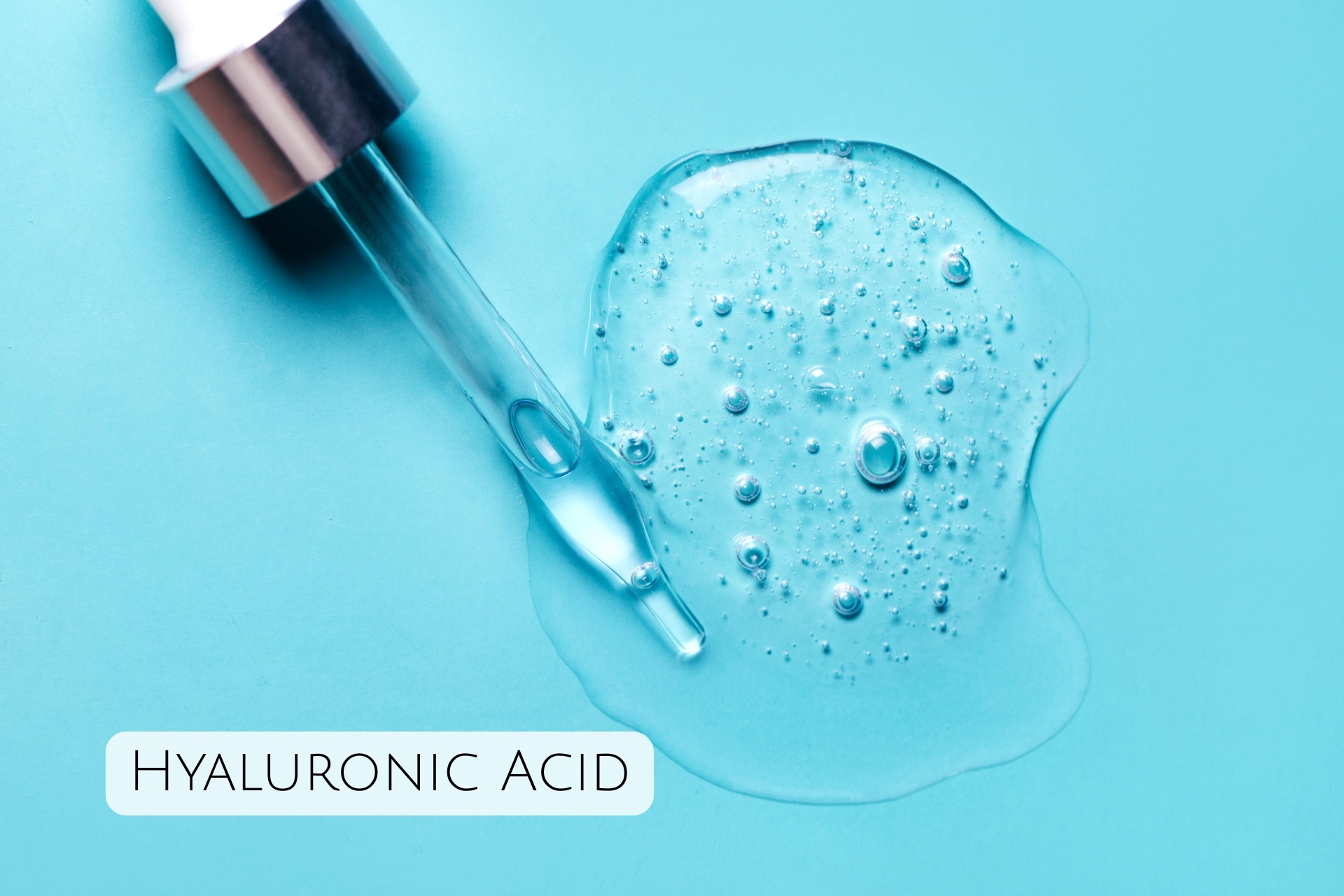
A hydration powerhouse that holds up to 1,000 times its weight in water, hyaluronic acid plumps and moisturizes the skin without greasiness. It’s perfect for the Indian climate, keeping skin dewy even in dry or air-conditioned environments.
5. Green Tea Extract: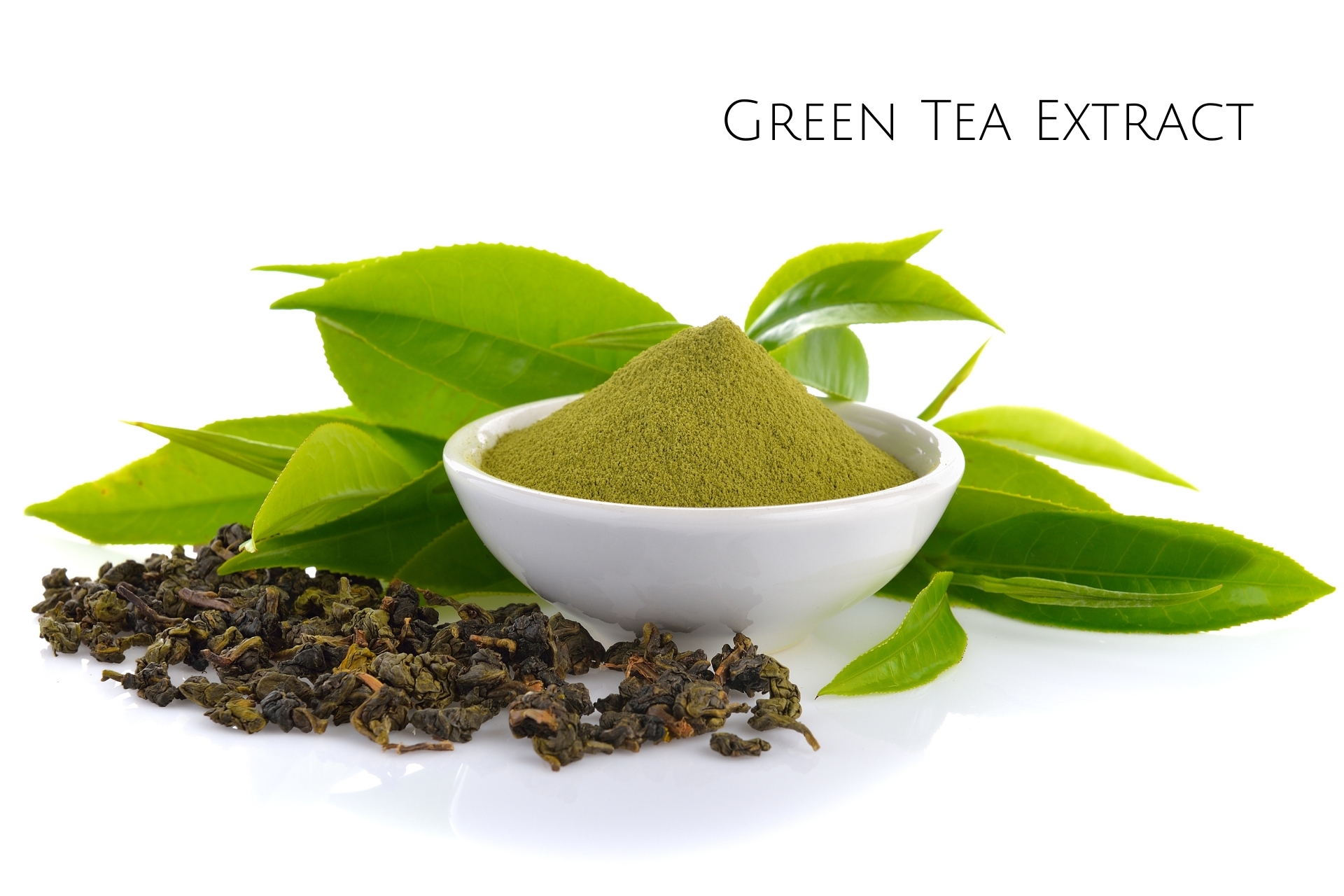
Rich in antioxidants, green tea protects against free radical damage and pollution—key for Indian urban lifestyles. It also balances oil production, making it a great match for those with oily or acne-prone skin.
6. Rice Extracts: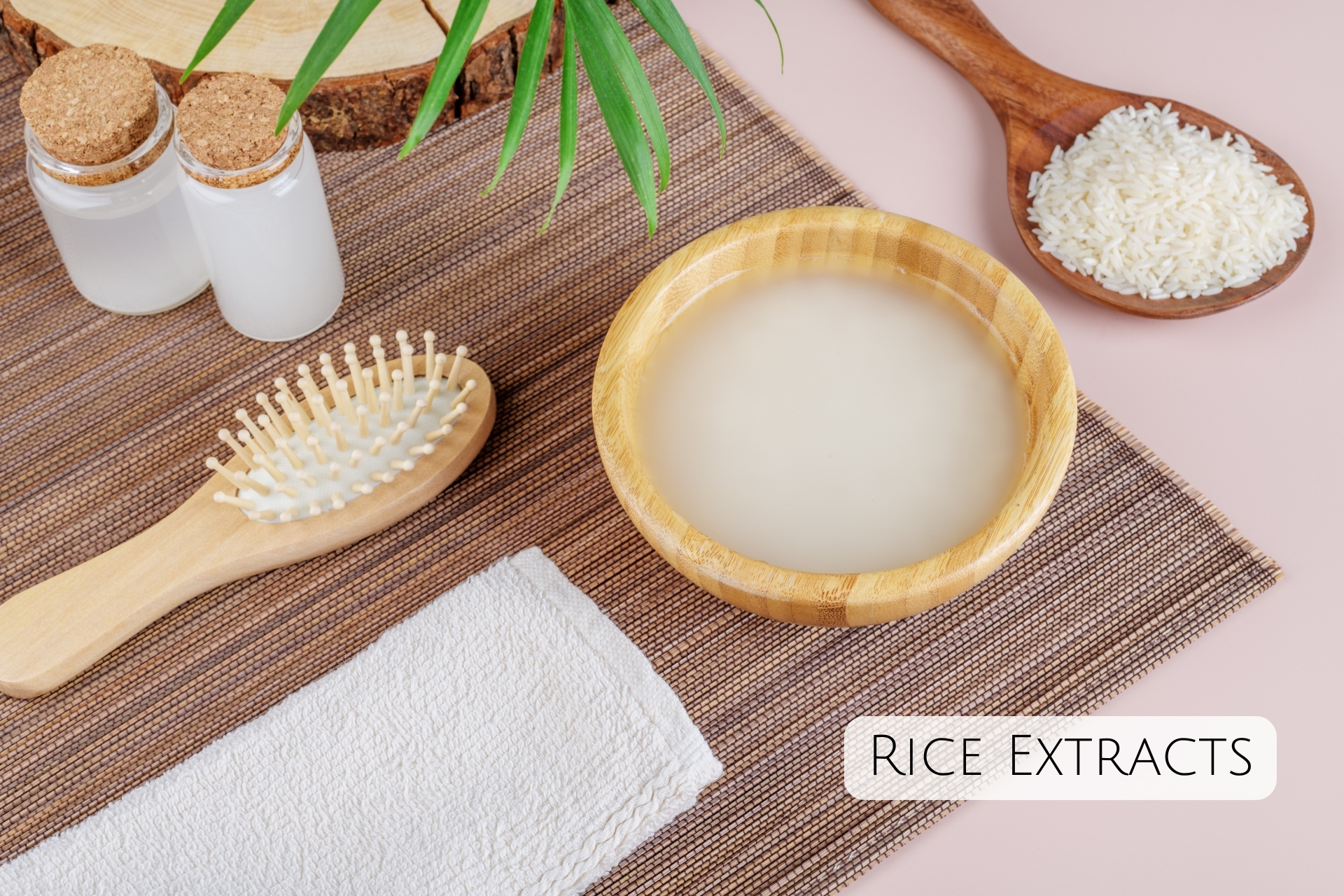
Used in both Korean and Indian traditions, rice water is known for its natural brightening and softening effects. K-Beauty takes this ancient remedy a step further with fermented rice extracts, delivering smoother, glowing skin without the mess of DIY treatments.
7. Propolis and Honey: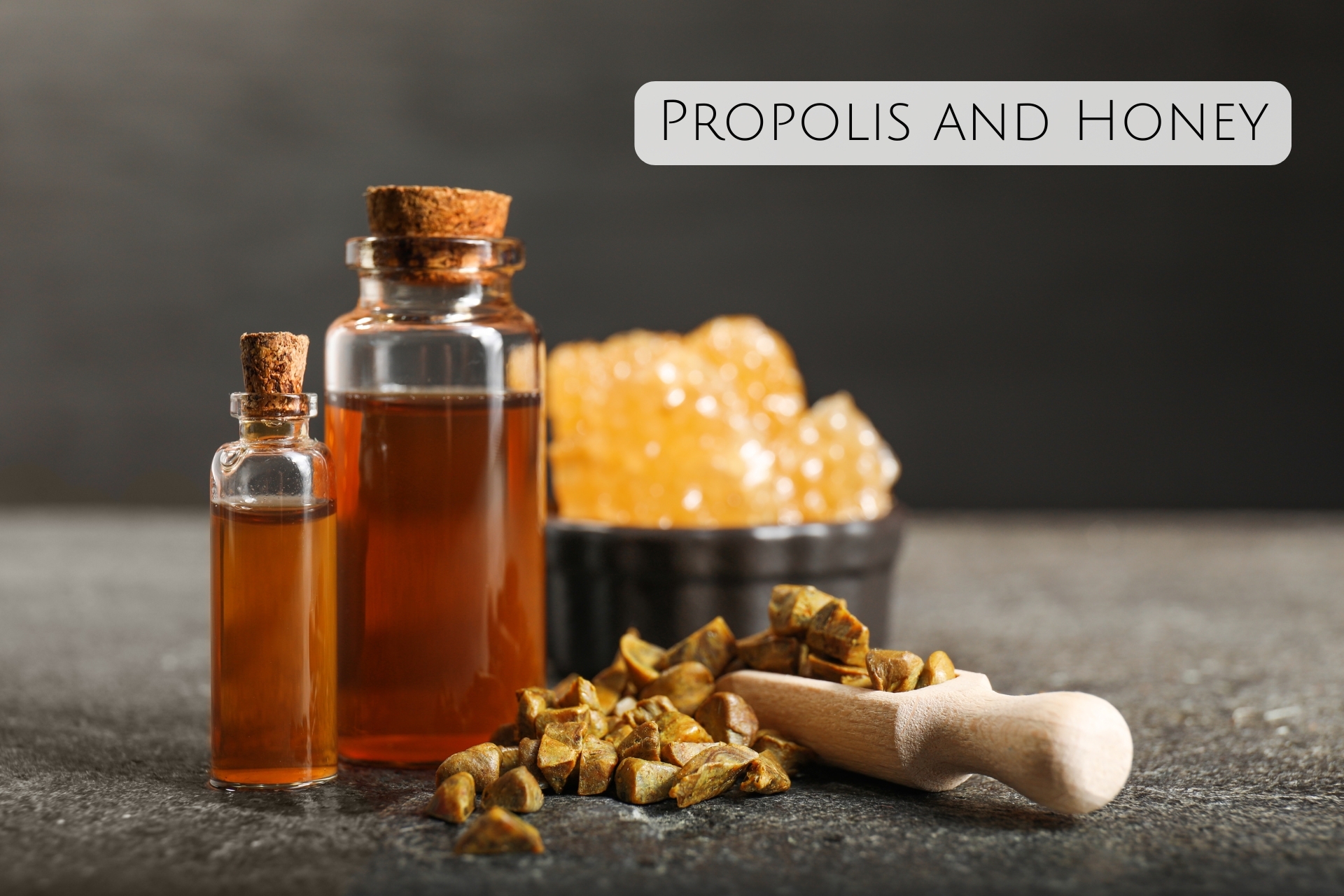
Popular in Korean formulations, these ingredients provide antibacterial protection and deep nourishment. They’re especially beneficial for Indian skin that faces pollution-induced stress, keeping it firm and radiant.
8. Ginseng:
A time-tested Asian ingredient, ginseng enhances circulation, boosts collagen, and helps fight early signs of aging—perfect for modern Indian professionals dealing with stress and environmental fatigue.
Blending Desi Traditions and K-Beauty Innovations:
The fusion of Desi skincare traditions with K-Beauty innovations is creating a distinct and personalized skincare experience uniquely suited to Indian consumers. Ayurveda and age-old Indian skincare rituals have emphasized natural ingredients like turmeric, sandalwood, neem, and rose for their anti-inflammatory, antiseptic, and nourishing properties. These botanicals have been trusted for centuries to treat pigmentation, acne, dullness, and uneven skin tone.
K-Beauty's innovation brings advanced active ingredients, careful formulation, and a highly ritualized approach—layering cleansers, toners, essences, serums, and moisturizers—that complement these traditional remedies. Indian consumers now favor products that combine ayurvedic herbal extracts with scientific ingredients such as hyaluronic acid, peptides, and niacinamide. This blend provides a holistic approach targeting both immediate results and long-term skin health.
Innovative Indian brands are reformulating classic herbal ingredients with modern delivery systems and adding cutting-edge K-Beauty technology like microencapsulation or fermented extracts. For example, traditional neem or turmeric extracts are paired with K-Beauty’s hydration techniques or gentle exfoliation to amplify efficacy and sensory experience. This synergy respects cultural heritage while meeting the demands of contemporary skincare science and lifestyle, making routines feel simultaneously familiar and refreshingly modern.
Accessibility and Local Adaptation:
K-Beauty’s widespread adoption in India is driven by thoughtful localization and enhanced accessibility. Brands entering the Indian market have adapted formulations to address specific Indian skin concerns like hyperpigmentation, melasma, and sensitivity caused by pollution and climate variability. They also adjust product textures for Indian skin types that can range from oily to dry, ensuring lighter gels for humid conditions and richer creams for winter.
Price sensitivity and distribution networks play key roles too. Initially, K-Beauty was seen as a premium niche segment focusing on urban centers, but local manufacturing alliances and tiered pricing strategies have made products more affordable. Indian e-commerce platforms and omnichannel retail outlets stock a growing variety of K-Beauty products, enabling middle-income buyers to participate in the trend.
The popularity of Korean entertainment and social media influencers in India has also increased consumer education, making complex skincare routines more approachable. Tutorials and simplified K-Beauty guides localize the experience culturally and linguistically. Additionally, Indian brands inspired by K-Beauty often package multitasking products suited for busy lifestyles, respecting India's fast-paced urban environment.
Together, these factors transform K-Beauty from a foreign curiosity into an integrated, accessible, and beloved part of everyday skincare for millions across India, blending global expertise with local needs and preferences.
How Kiwla Bridges K-Beauty and Desi Beauty:
Kiwla makes the K-Beauty to Desi Beauty shift effortless by bringing India a curated range of authentic Korean skincare—from snail mucin essences and centella-based calming creams to hydrating hyaluronic serums and complete Korean skincare kits—tailored to real Indian skin concerns. Whether you are building a full 10-step ritual or a simple barrier-first routine, Kiwla’s Korean Beauty collection features trusted global brands and multi-step sets that target pigmentation, pollution damage, sensitivity, and dehydration while fitting seamlessly into Indian climates and lifestyles. By combining K-Beauty innovation with easy access, nationwide delivery, and a wide choice of ingredients like snail mucin, ginseng, green tea, and fermented rice extracts, Kiwla empowers Indian consumers to personalize routines that truly blend Korean science with Desi skin needs.
Conclusion:
In conclusion, harmonizing K-Beauty and Desi beauty practices in your skincare routine can be a game-changer for achieving healthy and radiant skin. By combining the latest innovations from K-Beauty with the time-tested traditional remedies of Desi beauty, you can create a personalized regimen that caters to your skin's specific needs. Understanding the basics of Ayurveda and incorporating it into a multi-step routine inspired by K-Beauty can bring you closer to your skincare goals. Remember, consistency is key, so stick to your routine and tailor it as needed to adapt to changes in your skin. Embrace the blend of these two beauty philosophies for optimal results and a glowing complexion that reflects the best of both worlds.
Recent Posts
-

Creatine for Women and Non-Gym-Goers: Why the “Bulking Supplement” Label Is Finally Outdated
You've probably scrolled past a creatine tub in a supplement aisle and mentally filed it under “not
-
Bond Repair vs. Protein Treatments: Is Your “Damaged” Hair Actually Protein-Overloaded?
Your hair feels rough, so you buy a keratin mask. Still rough, so you add a protein leave-in. Then a
-

Baby Sunscreen Rules: Why the US and Europe Disagree, and What “Mineral-Only Under 6 Months” Means for Indian Summers
Stand in front of the baby-care shelf — or scroll through an imported skincare site at 1 a.m. while