
From Fasting to Functional Food: What Science Says About Fat-Fast, Kombucha & Other Wellness Fads

Introduction:
The wellness world is constantly evolving, with new dietary trends and superfoods promising enhanced health, longevity, and vitality. Among the latest sensations are "fat-fast" diets, kombucha, and various functional foods touted for their probiotic and bioactive benefits. But beyond the hype, what does science actually say about these popular wellness fads? Exploring the evidence behind each can help consumers make informed decisions that support sustainable, evidence-based health improvements.
In this blog, we delve into the scientific research behind popular health trends and separate the evidence-based practices from the passing fads.
The Science Behind Fat-Fasting:
Fat-fasting is a dietary approach where the majority of calories come from fats over a short period while severely restricting carbohydrates and proteins. Promoted by some ketogenic diet enthusiasts, the fat-fast phase aims to accelerate ketone production and deepen metabolic ketosis. Preliminary research shows that ketogenic states can promote fat loss, improved blood sugar control, and reduced inflammation.
However, fat-fasting’s extreme restriction raises concerns about nutrient deficiencies, muscle loss, and sustainability. The scientific consensus recommends medical supervision for extended or repeated fat-fasting, emphasizing balanced macronutrients and whole-food choices for long-term success. Fat-fasting may be helpful as a short-term metabolic reset, but it is not a substitute for balanced nutrition.
Functional Foods: Beyond Basic Nutrition:
Functional foods are foods that provide health benefits beyond basic nutrition by containing bioactive compounds that promote optimal physiological functioning and reduce disease risk. Unlike dietary supplements, functional foods are consumed as part of a regular diet and include naturally nutrient-dense options or those fortified with additional beneficial ingredients. Common defining features are the presence of probiotics, prebiotics, antioxidants, omega-3 fatty acids, vitamins, minerals, and phytochemicals. Examples include fermented dairy like yogurt and kefir rich in live cultures; whole grains that supply fiber enhancing gut microbiota diversity; nuts and seeds with anti-inflammatory omega-3s; and fruits and vegetables high in vitamins and polyphenols with antioxidant effects.
Functional foods play a role in modulating immune health, cardiovascular function, brain health, and metabolic balance. Their efficacy depends on dosage, bioavailability, and individual's baseline health but they provide a convenient strategy to boost wellness through everyday dietary choices.
Examining Fat-Fast: Efficacy, Controversies, and Nutritional Insights:
The fat-fast diet is an ultra-low carbohydrate, low protein, high-fat eating window used mainly to jumpstart ketosis or break weight-loss plateaus on ketogenic regimens. By consuming 80-90% calories from fats over a short period (typically 2-5 days), the body rapidly shifts into deeper ketosis, increasing ketone production and fat oxidation. Advocates report accelerated fat loss, appetite suppression, and improved metabolic markers. However, scientific evidence is limited primarily to anecdotal reports and small studies on ketogenic diets in general.
Critics point to potential risks such as muscle loss due to low protein intake, micronutrient deficiencies, and difficulty sustaining such a restrictive diet. Medical supervision is recommended especially for prolonged or repeated fat-fasting. Nutritional insights stress the importance of nutrient-dense fats (avocado, coconut, olive oil) and hydration during fat-fasts to minimize adverse effects. Balanced ketogenic diets providing adequate protein and micronutrients remain the mainstream recommendation.
The Role of Kombucha in Gut Health:
Kombucha is a fermented tea beverage rich in probiotics, organic acids, polyphenols, and enzymes produced during fermentation by symbiotic cultures of bacteria and yeast. These components have the potential to modulate gut microbiota by promoting beneficial bacteria growth and inhibiting pathogens, thus supporting digestive health. Kombucha’s antioxidant content may reduce oxidative stress and inflammation linked to gut permeability and systemic disease.
Initial research in animal models and small human trials suggests improved digestion, immune modulation, and enhanced microbiome diversity with moderate kombucha consumption. However, clinical evidence remains limited, with variability in health effects depending on preparation methods, fermentation duration, and sugar content. Some concerns exist regarding contamination and alcohol content in home-brewed batches. Overall, kombucha can be a supportive functional beverage for gut health when consumed safely and as part of a balanced diet, but more rigorous clinical trials are needed for definitive conclusions.
Other Popular Wellness Fads:
-
Detox Diets and Cleanses:

Often claimed to eliminate toxins and reset the body but lack scientific backing. The liver and kidneys effectively detoxify the body naturally. Prolonged detox diets can cause nutrient deficiencies and metabolic disturbances. Short-term, balanced approaches like increasing hydration and fiber intake are safer alternatives.
-
Juice Cleanses:

Promoted for rapid weight loss and skin improvement but usually low in protein and fiber, leading to muscle loss and blood sugar swings. Benefits often stem from reduced calorie intake, not detoxification. Gradual dietary improvements are preferable for sustainable health.
-
Alkaline Diets:
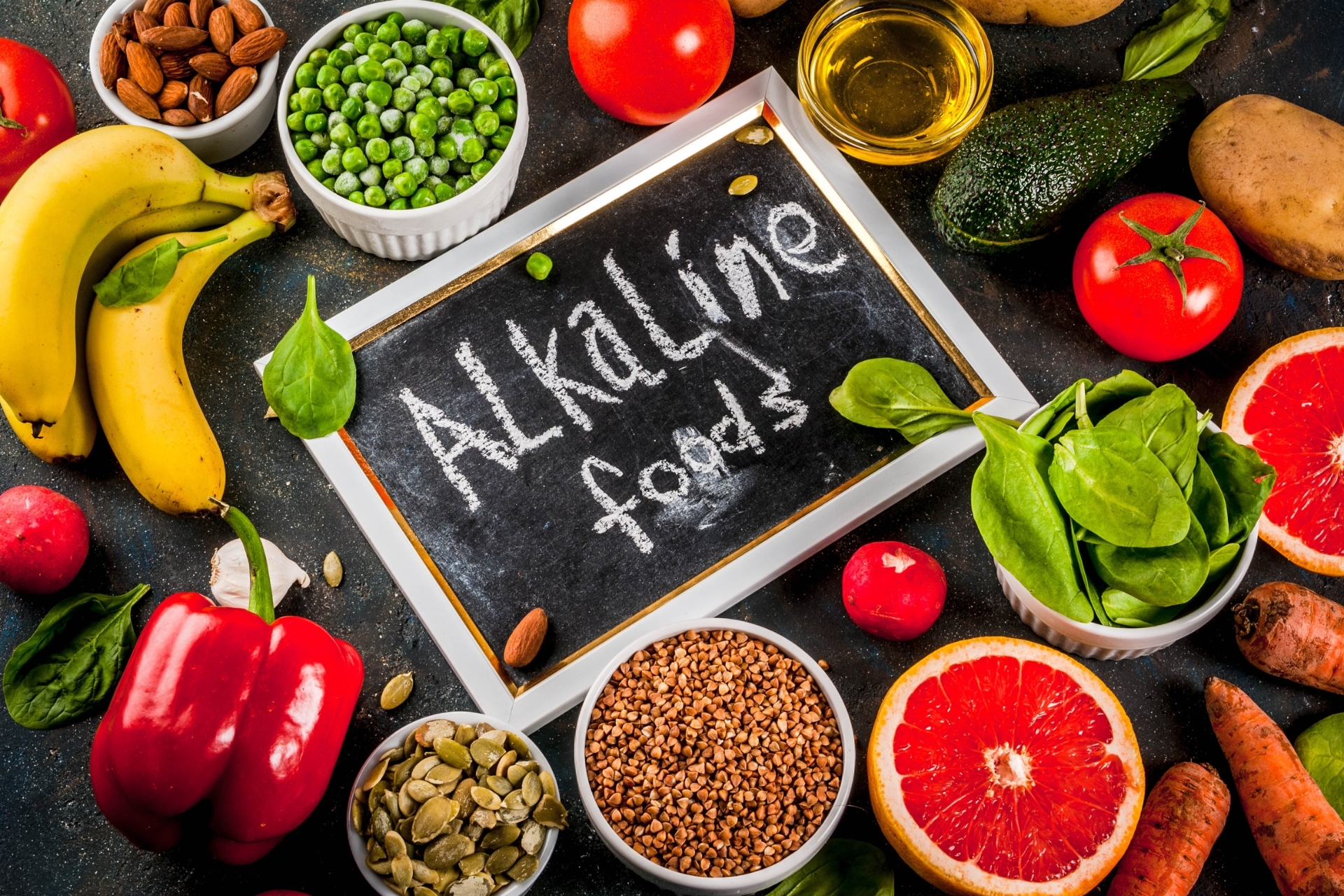
Advocate eating alkaline-promoting foods to balance body pH and prevent disease. The body tightly regulates pH naturally, and evidence doesn’t support alkalinity’s effect on disease prevention. Emphasizing fruits and vegetables (which tend to be alkaline) is beneficial, but avoiding grains or animal products negatively impacts nutrition.
-
CBD and Adaptogens:
Increasingly popular for stress relief and inflammation reduction. Some clinical evidence supports anxiolytic and anti-inflammatory effects, but doses, purity, and formulations vary widely. More research is needed for conclusive claims. Use with medical guidance, especially with chronic conditions.
-
Intermittent Fasting Variants:

Including 16/8, 5:2, and alternate-day fasting show promise for metabolic health and longevity in studies. However, they may not suit everyone, especially those with specific health conditions or nutritional needs. Focus on sustainable eating patterns and individual tolerance.
How to Approach Wellness Trends Wisely:
- Seek Evidence-Based Information: Prioritize wellness trends supported by robust scientific research from credible sources rather than anecdotal claims or marketing hype.
- Consult Healthcare Professionals: Check with doctors or registered dietitians before adopting extreme or restrictive wellness fads, especially if you have pre-existing conditions.
- Focus on Sustainability: Choose approaches that fit your lifestyle long-term rather than quick fixes that might cause imbalances or unsustainable habits.
- Avoid Extremes: Extreme diets or regimens can cause nutritional deficiencies, stress, or other health issues; gradual balanced changes are safer.
- Personalize Your Wellness: Understand your body’s unique needs, preferences, and responses rather than blindly following popular trends.
- Listen to Your Body: Monitor how new wellness practices affect your physical and mental health and adjust accordingly.
- Be Critical of Marketing: Recognize that wellness trends often come with commercial interests; critically evaluate product claims and sourcing.
- Combine Trends with Fundamentals: Integrate emerging wellness trends with foundational health practices like balanced nutrition, regular exercise, stress management, and adequate sleep.
- Educate Yourself Continuously: Stay informed about new scientific discoveries and adjust wellness habits based on evolving evidence.
How Kiwla Helps You Navigate Wellness Fads:
Kiwla sits at the intersection of science-backed wellness and real-life practicality, helping consumers navigate trends like fat-fasting, kombucha, probiotics, and functional foods without getting lost in the hype. Instead of promoting extreme detoxes or restrictive fads, Kiwla focuses on thoughtfully curated kombucha beverages, probiotic supplements, and functional blends that support gut health, metabolism, and overall resilience as part of a balanced lifestyle. By pairing emerging research on microbiome balance and bioactive nutrients with a wide range of clinically oriented probiotic formulas and kombucha options, Kiwla empowers you to experiment with modern wellness trends in a safer, more sustainable way that complements everyday nutrition rather than replaces it.
Conclusion:
Wellness fads like fat-fasting, kombucha, and functional foods each offer promising health benefits supported by emerging science, but must be approached with caution and context. Fat-fasting may accelerate ketosis but requires balance and oversight; kombucha offers probiotic potential tempered by variability in evidence and safety; functional foods enrich diets but cannot replace wholesome nutrition. Ultimately, the best approach integrates evidence-based strategies, personalized lifestyle choices, and mindful consumption over chasing trends. Science empowers consumers to separate fact from fad, achieving sustainable wellness that truly nourishes mind and body.
Recent Posts
-

"THIRD-PARTY TESTED": WHAT NSF, USP, AND INFORMED SPORT ACTUALLY VERIFY
You've seen the little badges on supplement bottles — NSF, USP, Informed Sport — sitting there looki
-

Hair Fall & Hair Health in India: Understanding Nutrition, Scalp Care, Haircare & Key Nutrients
You notice it first on the pillow. Then in the shower drain. Then, one day, in a photo where the lig
-

Dietary Supplements: A Practical Guide to Multivitamins, Omega-3, Magnesium, Collagen, Probiotics & More
Introduction: Walk into any pharmacy or scroll through any wellness app, and you'll find shelves and