Azelaic Acid vs. Kojic Acid vs. Tranexamic Acid: Which Pigmentation Ingredient Earns Its Import Price for Melasma vs. Acne Marks?
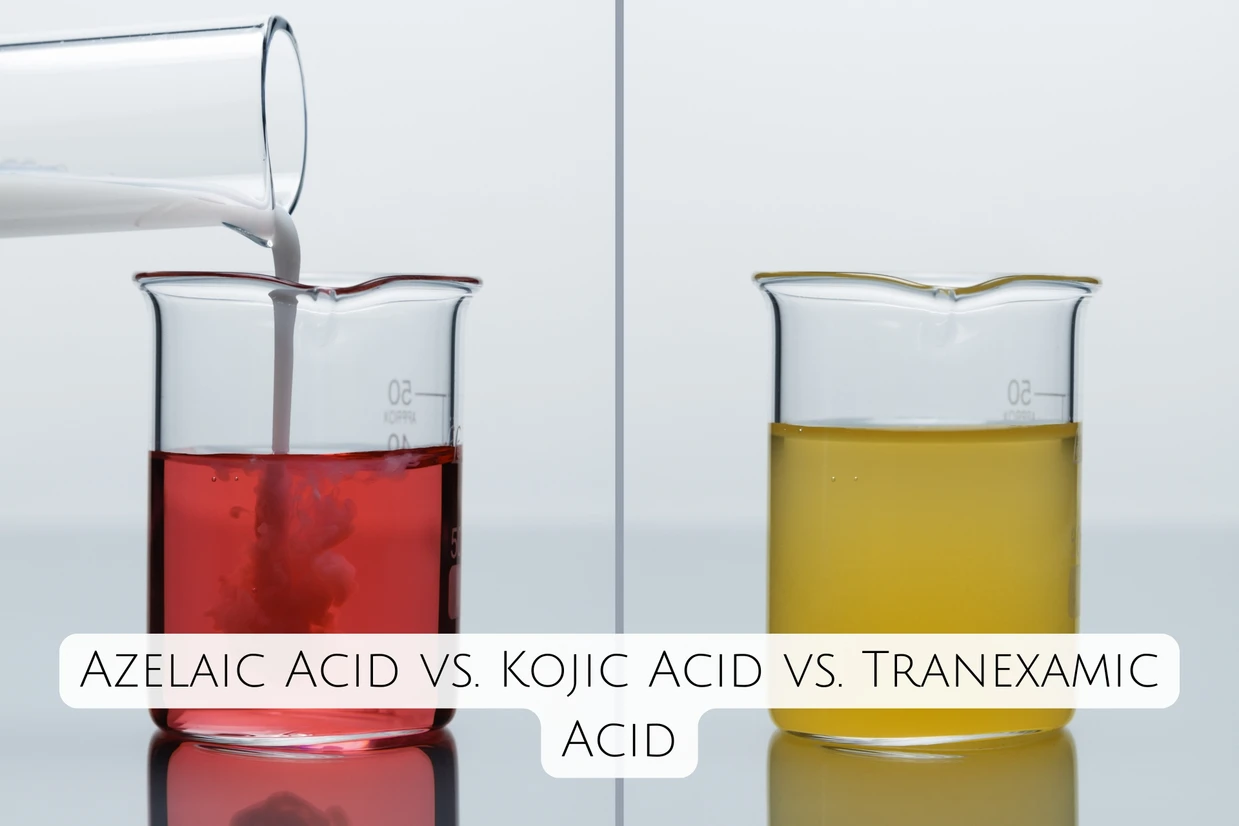
Open the pigmentation shelf of any serious skincare stash in India and you'll find the same three names on imported bottles: azelaic, kojic, tranexamic. Each one has a fan club. Each one costs real money once it crosses a border. And each one gets recommended for “dark spots” as if all dark spots were the same thing.
They're not. Melasma and acne marks are different diseases wearing similar makeup, and the azelaic acid vs kojic acid vs tranexamic acid question has a different winner depending on which one you're fighting. Before you spend two thousand rupees on the wrong hero, let's sort this out properly — mechanisms, evidence, and a few opinions the ingredient brands won't love.
QUICK ANSWER
For melasma, tranexamic acid is the ingredient most worth its import price, ideally alongside azelaic acid and strict sun protection. For acne marks (PIH), azelaic acid 10–20% wins — it fades pigment while treating the acne causing it. Kojic acid is a useful supporting player, rarely a hero on its own.
First, Know Your Enemy: Melasma and Acne Marks Are Not the Same Problem
This is the mistake behind most wasted serum money. Both show up as brown patches on Indian skin, both get called “pigmentation,” and both get treated with whatever brightener is trending. But they run on different engines.
Melasma: a hormonal, chronic condition
Melasma is driven from within — hormones, genetics, and light. It shows up as symmetrical patches on the cheeks, forehead, and upper lip, often during or after pregnancy or with hormonal contraception. The melanocytes in those patches are essentially stuck in the “on” position, and here's the part that matters for treatment: even visible light and heat can keep them firing. Melasma isn't a spot you erase; it's a condition you manage.
Acne marks (PIH): an event with an expiry date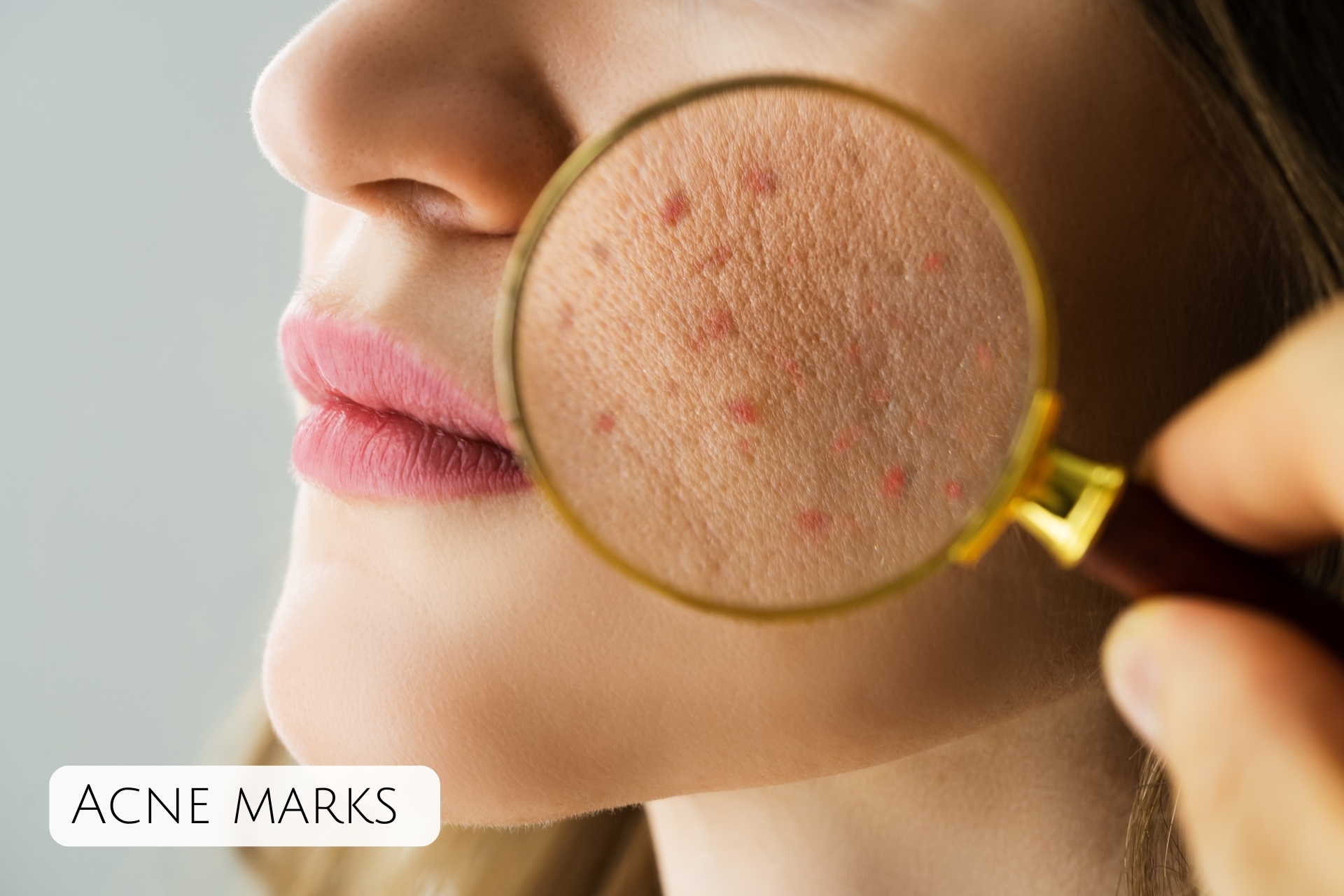
Post-inflammatory hyperpigmentation is the brown souvenir a pimple leaves behind. The inflammation ends, the pigment remains, and on melanin-rich Indian skin it can linger six months to a year. But unlike melasma, PIH wants to fade — your job is to speed it up and, crucially, to stop manufacturing new marks by controlling the acne itself.
Different engines, different strategies. Now the contenders.
Azelaic Acid vs Kojic Acid vs Tranexamic Acid: The Scorecards
Azelaic acid — the multitasker with a medical CV:
Azelaic acid is a dicarboxylic acid originally derived from grains, and it does something rare among brighteners: it's selective. It calms down overactive, abnormal melanocytes while largely ignoring normal ones — which is why it fades marks without bleaching a halo around them, a real concern on deeper Indian skin tones.
It's also a legitimate acne treatment — antibacterial, anti-inflammatory, mildly keratolytic. At 15–20% it's prescription-grade medicine in many countries, with trials showing it performs comparably to hydroquinone for melasma with a far friendlier safety profile. And it's considered safe in pregnancy, which almost nothing else on this list is.
- Best for: Acne marks, and as a supporting act in melasma. The obvious pick when acne is still active.
- Strength to look for: 10% in cosmetic serums; 15–20% in prescription creams.
- Timeline: Visible change around 8–12 weeks; keep going to 6 months.
- The catch: Textures can feel gritty or stiff, and the first week often brings a harmless tingle or itch. Results are steady, not dramatic.
Kojic acid — the fermented veteran with a stability problem: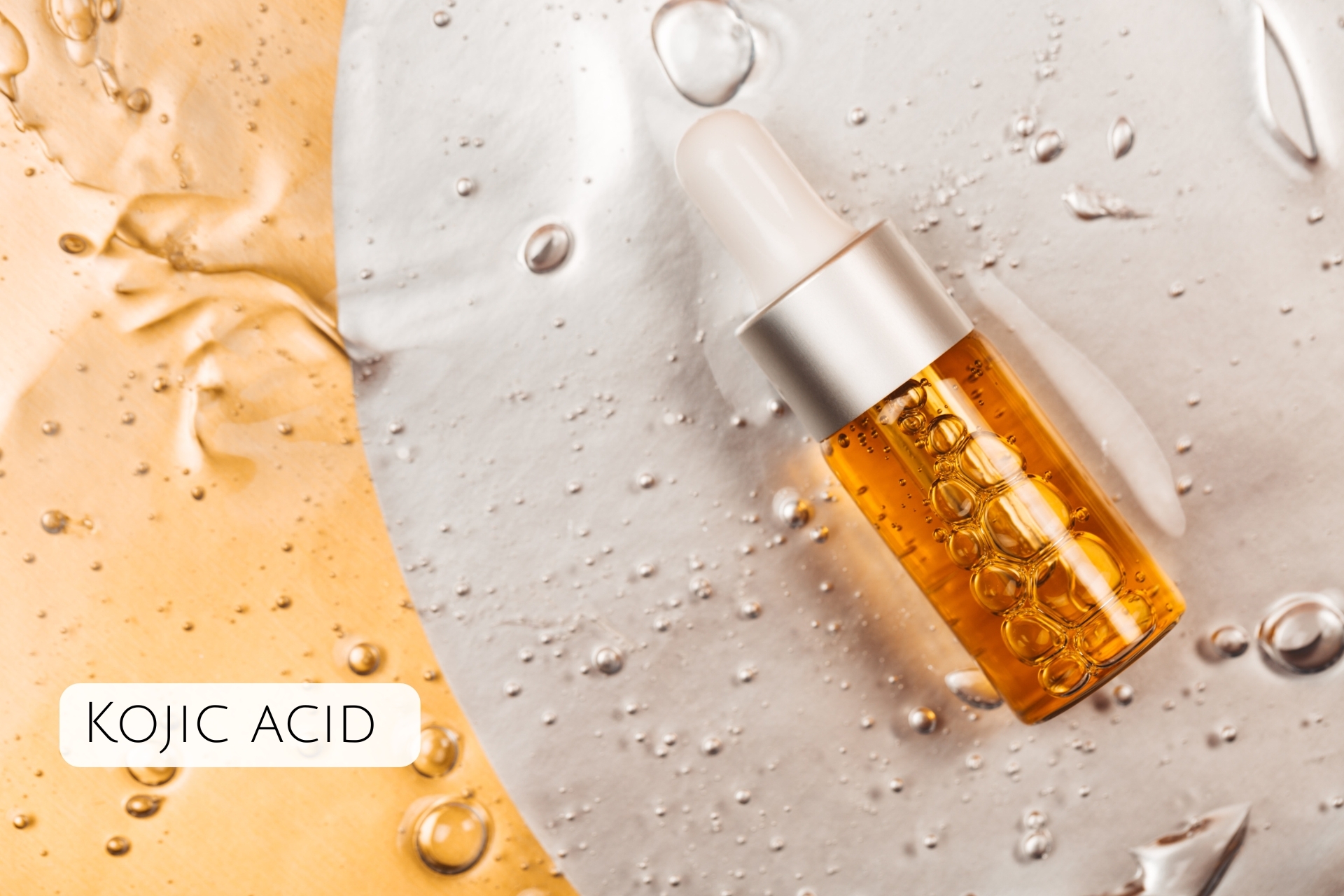
Kojic acid comes from fungal fermentation — the same koji culture family behind sake and soy sauce. It works by starving tyrosinase, the enzyme that builds melanin, of the copper it needs. In studies it genuinely lightens pigment, usually at 1–2% and usually blended with other actives.
Here's the honest take: kojic acid's biggest enemies are chemistry and enthusiasm. It oxidises easily — that serum turning yellow-brown in your bathroom cabinet has already lost potency — and with long, continuous use it's a known sensitiser, with contact dermatitis showing up more often than most influencers admit. Irritated skin on an Indian complexion means new PIH, which is a spectacular own goal for a brightening product.
- Best for: A booster ingredient inside a well-formulated blend, or short focused courses on stubborn marks.
- Strength to look for: 1–2%, ideally as kojic dipalmitate or in stabilised, airless packaging.
- Timeline: 8–12 weeks, faster when paired with azelaic or niacinamide.
- The catch: Unstable, sensitising with overuse, and rarely strong enough to carry melasma alone. A good soldier, a poor general.
Tranexamic acid — the melasma specialist:
Tranexamic acid, or TXA, is the newest of the three in skincare and the most interesting. It started life as a medication to control bleeding; dermatology noticed that patients on it saw their melasma fade. The mechanism explains why: TXA blocks the plasmin signalling pathway through which UV exposure and inflammation tell melanocytes to switch on. It doesn't just mop up pigment — it interrupts the instruction to make it.
That's precisely what chronic, hormonally-driven melasma needs, and the evidence has stacked up fast: topical TXA at 2–5% holds its own against established treatments, and low-dose oral TXA — strictly under a dermatologist — has become one of the most effective melasma interventions available. It's also remarkably gentle, with barely any sting even on reactive skin.
- Best for: Melasma, and stubborn recurring pigmentation that laughs at other brighteners.
- Strength to look for: 2–5% topically, often paired with niacinamide or azelaic acid.
- Timeline: 8–12 weeks topically; oral routes work faster but are prescription territory.
- The catch: The priciest per millilitre, and quality varies wildly between imports. For pure PIH, it's often more ingredient than you need.
The Verdicts: Match the Acid to the Problem
If it's melasma: tranexamic leads, azelaic supports
Build around TXA. A 3–5% tranexamic serum at night, azelaic acid on alternate mornings or nights for its anti-inflammatory selectivity, and — this is not optional — a PA++++ sunscreen reapplied through the day. Melasma treated without obsessive sun protection is money burned in slow motion.
One India-specific truth that deserves more airtime: heat itself aggravates melasma. Standing over a hot stove, long two-wheeler rides at noon, steam facials — all of it can keep those melanocytes firing even through sunscreen. Manage light, manage heat, then let the acids work. And know when to escalate: melasma that shrugs off three months of consistent topicals deserves a dermatologist visit, not a fourth serum.
If it's acne marks: azelaic first, almost every time
Azelaic acid is the rare ingredient that fights on both fronts — fading the marks you have while shutting down the breakouts that cause the next batch. Start there. If fading stalls after two or three months, layer in a kojic-containing blend or swap your morning antioxidant for a TXA-niacinamide serum as a booster.
What you shouldn't do is stack all three at full strength from day one. Pigment fades on a schedule set by your skin's turnover, not by your product count — more acids mostly buys you more irritation, and irritation is the raw material PIH is made from.
Can you combine them? Yes — like this
- The melasma stack. TXA serum nightly, azelaic acid on alternate mornings, sunscreen reapplied at lunch. Review at 12 weeks.
- The acne-marks stack. Azelaic acid nightly after cleansing; a niacinamide or TXA serum in the morning under sunscreen. Add kojic only if progress stalls.
- The sensitive-skin route. Start with just one active, three nights a week, for a month. These three are gentler than retinoids, but layered acids on a stressed barrier still bite.
- The universal rule. Whatever the stack, sunscreen is the actual hero. Every one of these acids is rowing against the tide without it.
Why the Imported Versions Cost More — and When That's Justified?
Time for the question in the title. All three molecules are cheap as raw materials; what you're paying import prices for is formulation — and sometimes that premium is real, sometimes it's branding.
With azelaic acid, the premium buys texture. Getting 10% azelaic into a serum that spreads like a serum, instead of a stiff paste that pills under sunscreen, is genuinely hard chemistry — the good imported versions solve it, and daily-use comfort is what decides if you'll still be applying it in month four. With kojic acid, the premium buys stability: encapsulation and airless packaging that keep the molecule active past week three. With tranexamic acid, the premium buys concentration and pairing — honest 3–5% doses partnered with niacinamide, from brands that publish their percentages.
Where the premium is not justified: paying import prices for a 1% kojic soap or a vague “brightening complex” that lists your hero acid ninth on the ingredient label. Read the percentage. No percentage stated usually means a percentage not worth stating.
This is essentially the filter we run at Kiwla before a pigmentation product makes the catalogue: declared percentages at evidence-backed levels, packaging that protects the active, and textures that survive layering under Indian sunscreen habits. The azelaic, kojic-blend, and tranexamic serums we import from Korea, the US, and the UK all clear that bar — if you're building one of the stacks above, the pigmentation-care section on Kiwla is pre-sorted so you're choosing between good options, not auditing labels.
Quick Answers Before You Buy
- Is kojic acid safe for daily long-term use? Use it in cycles — a few months on, then a break — and stop if you notice redness or itching. Continuous year-round use raises sensitisation risk.
- Can I use these with retinoids? Yes, and azelaic plus a retinoid is a classic PIH pairing — but introduce them on different nights first, and let your skin vote.
- Which is safest during pregnancy? Azelaic acid. Skip oral TXA entirely unless your doctor prescribes it, and run any routine past your obstetrician.
- Do these replace hydroquinone? For many people, effectively yes — azelaic and TXA deliver comparable real-world results with far fewer risks of rebound pigmentation or misuse, which matters given how carelessly hydroquinone creams get sold in India.
- How long until I see fading? Eight weeks is the earliest honest checkpoint for any of them; twelve is fairer. Photograph your face in the same light monthly — memory is a terrible measuring tape.
The Bottom Line
THE FILE, CLOSED
Melasma: spend on tranexamic acid, support with azelaic, and treat sunscreen and heat control as part of the prescription. Acne marks: azelaic acid earns the import price outright; kojic and TXA are boosters, not foundations. Pick by diagnosis, not by hype — the most expensive serum is the right one applied to the wrong problem.
One shelf, three acids, two diseases. Now you know which bottle answers which question — and that's most of the battle with pigmentation. The rest is twelve patient weeks and a lot of
Recent Posts
-
Azelaic Acid vs. Kojic Acid vs. Tranexamic Acid: Which Pigmentation Ingredient Earns Its Import Price for Melasma vs. Acne Marks?
Open the pigmentation shelf of any serious skincare stash in India and you'll find the same three na
-

"THIRD-PARTY TESTED": WHAT NSF, USP, AND INFORMED SPORT ACTUALLY VERIFY
You've seen the little badges on supplement bottles — NSF, USP, Informed Sport — sitting there looki
-
Hair Fall & Hair Health in India: Understanding Nutrition, Scalp Care, Haircare & Key Nutrients
You notice it first on the pillow. Then in the shower drain. Then, one day, in a photo where the lig