
Hair Fall & Hair Health in India: Understanding Nutrition, Scalp Care, Haircare & Key Nutrients
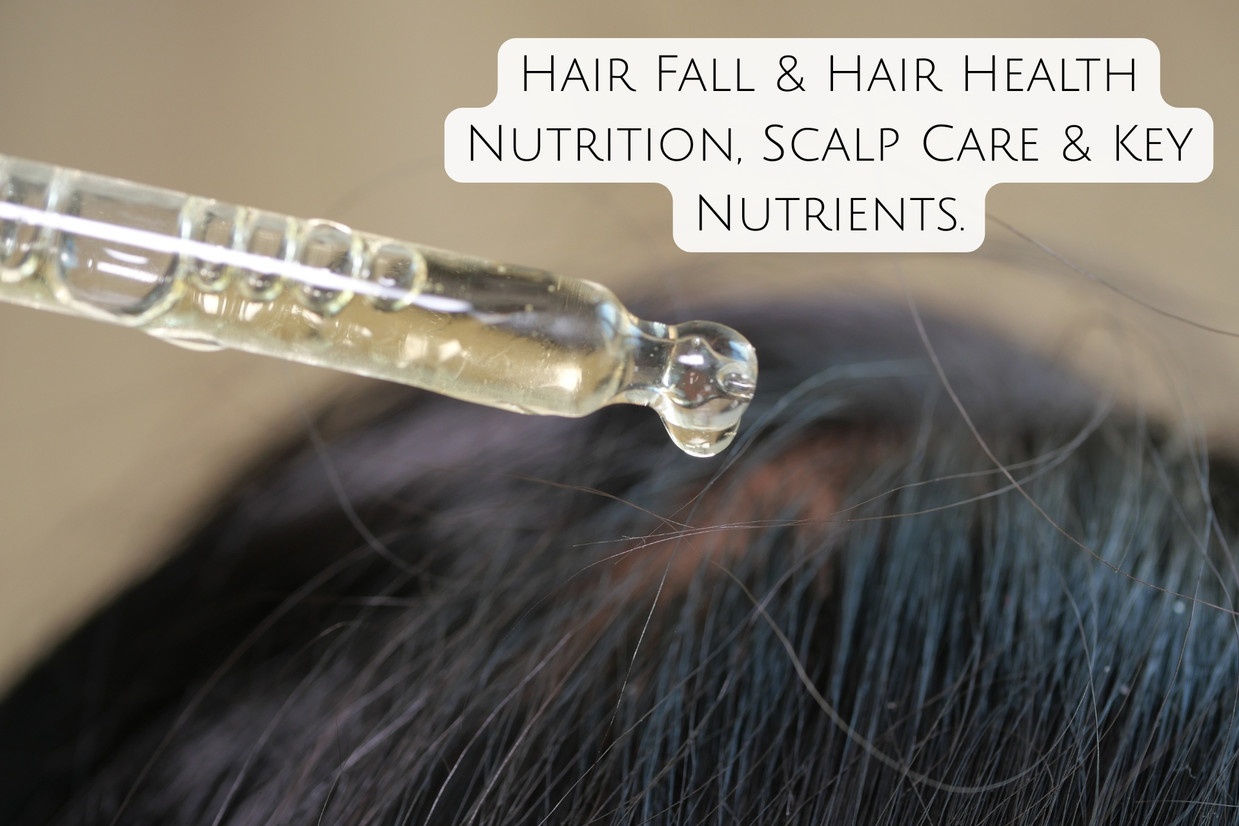
You notice it first on the pillow. Then in the shower drain. Then, one day, in a photo where the light hits your scalp at an angle you didn't expect. Hair fall has a way of sneaking up on you, and in India, it's become almost a rite of passage — something nearly everyone talks about but very few actually understand.
Here's the thing: hair fall in India isn't just about genetics or bad luck. It's about the water you wash your hair in, the heat and humidity your scalp battles every single day, the food on your plate, and the products you've been layering on without really knowing why. This piece walks through the real drivers of hair fall, what your scalp actually needs, and which nutrients matter most — no fluff, no miracle-in-a-bottle promises.
Quick Answer: Hair fall in India is commonly driven by nutrient deficiencies (iron, protein, biotin, vitamin D), excess heat and humidity, hard water, scalp buildup, and stress — not just genetics. Fixing it usually needs a combined approach: balanced nutrition, a clean and calm scalp, and haircare suited to your hair type and climate.
Why Hair Fall Is So Common Among Indians:
Losing 50 to 100 strands a day is completely normal — that's just your hair's natural shedding cycle. The problem starts when it crosses that line and you're suddenly seeing clumps, thinning patches, or a widening parting.
India's climate doesn't help. Most of the country deals with intense heat for months, followed by monsoon humidity that makes the scalp sweat more than it should. Add pollution, hard water in many cities, and diets that have quietly become low in iron and protein over the last couple of generations, and you've got a recipe for chronic hair fall that has very little to do with bad genes.
The Usual Suspects:
- Nutrient deficiency: Low iron, protein, or vitamin D levels are extremely common in Indian diets, especially among women, and directly weaken hair roots.
- Hard water: Many Indian cities have high mineral content in tap water, which dries out the scalp and roughens hair strands over time.
- Heat and humidity: Constant sweating clogs pores on the scalp, leading to buildup, itchiness, and eventually weaker hair growth.
- Stress and sleep: Chronic stress pushes hair follicles into a resting phase prematurely, which shows up as shedding two to three months later.
- Over-styling and chemical treatments: Frequent straightening, coloring, and tight hairstyles put mechanical and chemical stress on strands that are already fragile.
Understanding Hair Fall: It's Rarely Just One Cause:
If you've tried a dozen shampoos and nothing worked, that's usually because hair fall is multi-factorial. A serum can't fix an iron deficiency, and a supplement alone won't undo scalp buildup from hard water. You need to look at the whole picture — diet, scalp condition, and haircare habits together.
This is also why the same product can work wonders for one person and do nothing for another. Someone with a nutrient-driven hair fall problem needs a completely different fix than someone whose issue is purely scalp-related.
Signs It's More Than Normal Shedding:
- Visible thinning: A widening center parting or a receding hairline that wasn't there a year ago.
- Hair breakage mid-length: Strands snapping rather than falling from the root, often a sign of protein deficiency or heat damage.
- Excessive shedding after washing: Losing noticeably more hair on wash days can point to scalp inflammation or product buildup.
- Slow regrowth: New hair growing back finer or slower than before can indicate a nutritional gap or hormonal shift.
The Role of Nutrition in Hair Fall:
Your hair is basically a nutrition report card. It's one of the last places your body sends nutrients, so if you're deficient in anything important, hair is often the first visible sign — long before a blood test flags it.
This is where most people go wrong. They chase topical fixes — oils, serums, masks — while ignoring what's actually happening inside. A good haircare routine can only do so much if your body doesn't have the raw materials to build strong hair in the first place.
Key Nutrients Your Hair Actually Needs:
- Iron:
 Low iron levels reduce oxygen supply to hair follicles, and iron deficiency is one of the most common causes of hair fall in Indian women specifically.
- Biotin (Vitamin B7):
 Supports keratin production, the protein your hair is literally made of; deficiency shows up as brittle, thinning strands.
- Vitamin D:
 Plays a role in creating new hair follicles, and deficiency is surprisingly widespread in India despite abundant sunlight, largely due to indoor lifestyles and pollution.
- Protein:
 Hair is roughly 95 percent keratin, so inadequate protein intake directly limits how much your body can rebuild and strengthen strands.
- Zinc:
 Helps repair hair tissue and keep the oil glands around follicles functioning properly; deficiency is linked to shedding and a dry, flaky scalp.
- Omega-3 fatty acids:
 Nourish hair follicles and support scalp health, reducing inflammation that can otherwise choke off healthy growth.
If you're relying entirely on diet, that's genuinely the best approach — food-based nutrients tend to absorb better than synthetic ones. But given how much refined and processed food has crept into everyday Indian diets, a well-formulated supplement can help close the gap, especially for iron, biotin, and vitamin D.
Scalp Care: The Step Everyone Skips:
Ask most people about their haircare routine and they'll talk about shampoo, conditioner, maybe a hair mask. Almost nobody mentions scalp care specifically — and that's exactly the problem.
Your scalp is skin. It has pores, oil glands, and its own microbiome, just like your face. Yet most people treat it as an afterthought, layering on oils and products without ever actually cleansing or exfoliating it properly.
What Good Scalp Care Looks Like:
- Regular but not excessive washing: Two to three times a week is usually right for most Indian climates — over-washing strips natural oils, under-washing lets buildup accumulate.
- Scalp exfoliation: A gentle scalp scrub once every couple of weeks removes dead skin and product residue that clog follicles.
- Oiling with intention: Warm oil massages boost blood circulation to follicles, but oil sitting on the scalp for days without washing invites buildup and dandruff.
- Avoiding tight hairstyles: Constant tension from tight buns or ponytails contributes to traction alopecia, especially along the hairline.
- Sun and pollution protection: A light scarf or hat during peak sun hours reduces UV damage to both scalp and hair shaft.
Building a Haircare Routine That Actually Works:
Forget the 10-step routines you see online. Hair health comes down to a handful of consistent habits done well, rather than a shelf full of products used sporadically.
The Non-Negotiables:
- A sulfate-free shampoo suited to your scalp type: Oily scalps need lighter formulas; dry scalps need more hydrating, cream-based cleansers.
- Conditioner focused on mid-lengths and ends: Applying conditioner directly to the scalp can weigh down roots and contribute to oiliness.
- Weekly deep conditioning or hair mask: Restores moisture and protein balance, especially important after heat styling or chemical treatments.
- Heat protection before styling: Straighteners and dryers used without protection are one of the fastest ways to cause breakage.
- Trimming every two to three months: Prevents split ends from traveling up the hair shaft and causing further breakage.
A Word on Home Remedies:
Onion juice, curd masks, fenugreek paste — Indian households have a long list of hair fall remedies passed down through generations, and some of them genuinely have merit. Fenugreek, for instance, contains proteins and nicotinic acid that support hair strength. But home remedies work best as a supplement to a proper routine, not a replacement for addressing an underlying nutrient deficiency.
Common Myths About Hair Fall (That Need to Die):
Walk into any pharmacy or scroll through Instagram for five minutes and you'll run into hair fall advice that sounds convincing but doesn't hold up. A lot of it wastes time, money, and — occasionally — makes things worse.
Myth vs Reality:
- Myth: Cutting your hair often makes it grow faster: Trimming removes split ends and prevents breakage, but it has zero effect on the growth rate happening at the follicle level under your scalp.
- Myth: Oiling your hair every day prevents hair fall: Daily oiling without proper washing actually clogs follicles over time; two to three times a week is plenty for most people.
- Myth: Hair fall only happens to men: Female pattern hair loss and nutrient-deficiency-driven shedding are extremely common in Indian women, often underdiagnosed because it's assumed to be a male problem.
- Myth: Shampoo causes hair fall: The hair you see in the drain during a wash was already loose and ready to shed — shampoo isn't pulling out healthy strands, it's just making the natural shedding visible all at once.
- Myth: Supplements alone will fix any hair fall problem: Supplements help close nutritional gaps, but they can't undo damage from harsh chemical treatments, tight hairstyles, or an inflamed scalp — those need separate fixes.
Here's an honest take: most people spend more on hair fall products in a year than they would on a single dermatologist consultation and a basic blood panel. If you've genuinely tried consistent nutrition and scalp care for three months with no change, that consultation is the better investment — not another serum.
Hair Type, Texture, and What It Means for Your Routine:
India has an enormous range of natural hair textures — from poker-straight to tightly coiled — and a routine built for one doesn't automatically work for another. This is where a lot of generic haircare advice falls apart.
Matching Care to Your Hair Type:
- Fine, straight hair: Gets weighed down easily, so lightweight, water-based conditioners work better than heavy butters or oils left in for hours.
- Wavy to curly hair: Tends to be naturally drier since scalp oils travel down the strand less easily, so it benefits from richer leave-in conditioners and less frequent washing.
- Coily or tightly curled hair: Needs the most moisture retention of all types — co-washing and deep conditioning matter more here than shampooing frequency.
- Chemically treated hair: Coloring, straightening, or perming strips the hair's natural protective layer, so protein-rich treatments become essential, not optional.
None of this changes the nutrition and scalp-care fundamentals — those apply across every hair type. But the finishing steps, product textures, and wash frequency should flex based on what your hair actually is, not what worked for your friend or your favorite influencer.
When to See a Dermatologist:
Not all hair fall responds to diet and topical care alone. If you're seeing bald patches, sudden excessive shedding, or hair fall that persists for more than three to six months despite consistent care, it's worth getting a proper diagnosis rather than guessing.
- Patchy hair loss: Could indicate alopecia areata, an autoimmune condition that needs medical treatment, not just haircare adjustments.
- Sudden, dramatic shedding: Often linked to illness, major stress, childbirth, or medication changes, and usually resolves but should still be evaluated.
- Hair fall alongside other symptoms: Fatigue, irregular periods, or unexplained weight changes alongside hair fall can point to thyroid or hormonal issues worth testing for.
Supporting Hair Health the Kiwla Way:
At Kiwla, we approach hair fall the same way this article does — from the inside out, not just the outside in. Our range of hair health supplements is built around the nutrients that Indian diets most commonly fall short on: biotin for keratin production, iron for follicle strength, and vitamin D3 to support healthy new growth.
Paired with our scalp-friendly haircare essentials — designed with Indian water conditions and climate in mind — the idea isn't to sell you a quick fix. It's to give your hair what it's actually been missing, whether that's a nutritional gap or a scalp that's been quietly overworked for years. If you're just starting to notice more strands than usual, that's the right time to act, not after months of watching it get worse.
The Bottom Line:
Hair fall in India is rarely about bad luck or bad genes alone. It's usually a combination of nutrient gaps, an under-cared-for scalp, and a haircare routine that hasn't been adjusted for the climate you actually live in. Fix the inputs — iron, protein, biotin, vitamin D — clean and calm your scalp, and keep your routine simple but consistent, and most non-medical hair fall responds well within a few months.
If you've been throwing random products at the problem for years with nothing to show for it, stop guessing. Look at your diet first, your scalp second, and your styling habits third. That order matters more than most people realize — and it's the difference between managing hair fall and actually reversing it.
Recent Posts
-
Hard Water Hair Damage: How Indian City Water Quietly Undoes Your ₹3,000 Imported Shampoo — and the Chelating Ingredients That Fix It
You know the pattern. A new imported shampoo arrives — the one that made your hair feel like silk on
-

Does Your Sunscreen Actually Survive an Indian Commute? Sweat-Resistant Sunscreen, PA Ratings, and Why a UK Formula Melts at 90% Humidity
It's 9:15 a.m. You applied sunscreen at 8:30 like a responsible adult. Then came the walk to the met
-

Creatine for Women and Non-Gym-Goers: Why the “Bulking Supplement” Label Is Finally Outdated
You've probably scrolled past a creatine tub in a supplement aisle and mentally filed it under “not