
The New Generation of Indian Skincare: Bridging Ayurveda and Dermatological Science

Introduction:
For millennia, Indian royalty relied on Kumkumadi Taila—the legendary saffron-infused elixir—to achieve radiant, ageless skin. Meanwhile, modern dermatology crowned retinol as the gold standard for anti-aging and cellular renewal. For decades, these two traditions remained separate: clean beauty enthusiasts feared retinol's irritation, while clinical skincare users dismissed Ayurveda as unscientific folklore.
Today, a revolutionary fusion is underway. Hybrid Ayurveda-actives—formulations that combine Ayurvedic botanicals with proven dermatological ingredients—are redefining skincare efficacy and tolerance. At the forefront of this movement is the strategic pairing of Kashmiri saffron with retinol, creating products that deliver clinical results with the gentleness and holistic benefits of traditional Indian medicine.
This convergence isn't merely marketing. It's backed by sophisticated science: saffron's crocin and crocetin compounds don't just add luxury appeal—they actively stabilize retinol, reduce irritation, and enhance cellular renewal through complementary mechanisms. When formulated correctly, this hybrid approach outperforms either tradition alone.
At Kiwla, we believe the future of skincare lies not in choosing between East and West, but in intelligent synthesis. This comprehensive guide explores the science, formulation artistry, and transformative potential of saffron-retinol hybrids, revealing why Indian beauty innovation is leading the global skincare revolution.
Understanding Ayurveda: The Foundation
Understanding hybrid Ayurveda-actives formulations requires first understanding Ayurvedic principles. Ayurveda isn't merely a collection of ingredients—it's a comprehensive system based on specific philosophical principles that inform which ingredients suit which people and conditions.
The Tridosha Theory and Skin Health:
Ayurveda conceptualizes health through three constitutional types (doshas): Vata, Pitta, and Kapha, each representing combinations of five elements.
-
Vata (Air + Ether):
- Light, dry, mobile, subtle qualities.
- Associated with dryness, sensitivity, and irregular patterns.
- Governs nervous system and movement.
- Vata skin: Thin, dry, sensitive, prone to dehydration, fine lines.
- Characteristics: Easily disturbed, requires grounding and nourishment.
-
Pitta (Fire + Water):
- Governs digestion and enzymes.
- Hot, sharp, penetrating, intense qualities.
- Associated with metabolism and transformation.
- Pitta skin: Sensitive, reactive, inflammatory, prone to redness and sensitivity.
- Characteristics: Easily inflamed, requires cooling and calming.
-
Kapha (Water + Earth):
- Heavy, stable, dense, moist qualities.
- Associated with structure and nourishment.
- Governs immunity and lubrication.
- Kapha skin: Thick, oily, resilient, prone to congestion.
- Characteristics: Sluggish cell turnover, requires stimulation and drying.
Key Ayurvedic Ingredients—Pharmacology and Bioactive Compounds:
Understanding which Ayurvedic ingredients merit inclusion in hybrid formulations requires examining their specific bioactive compounds and demonstrated mechanisms.
-
Saffron (Crocus sativus)—The Royal Ingredient:
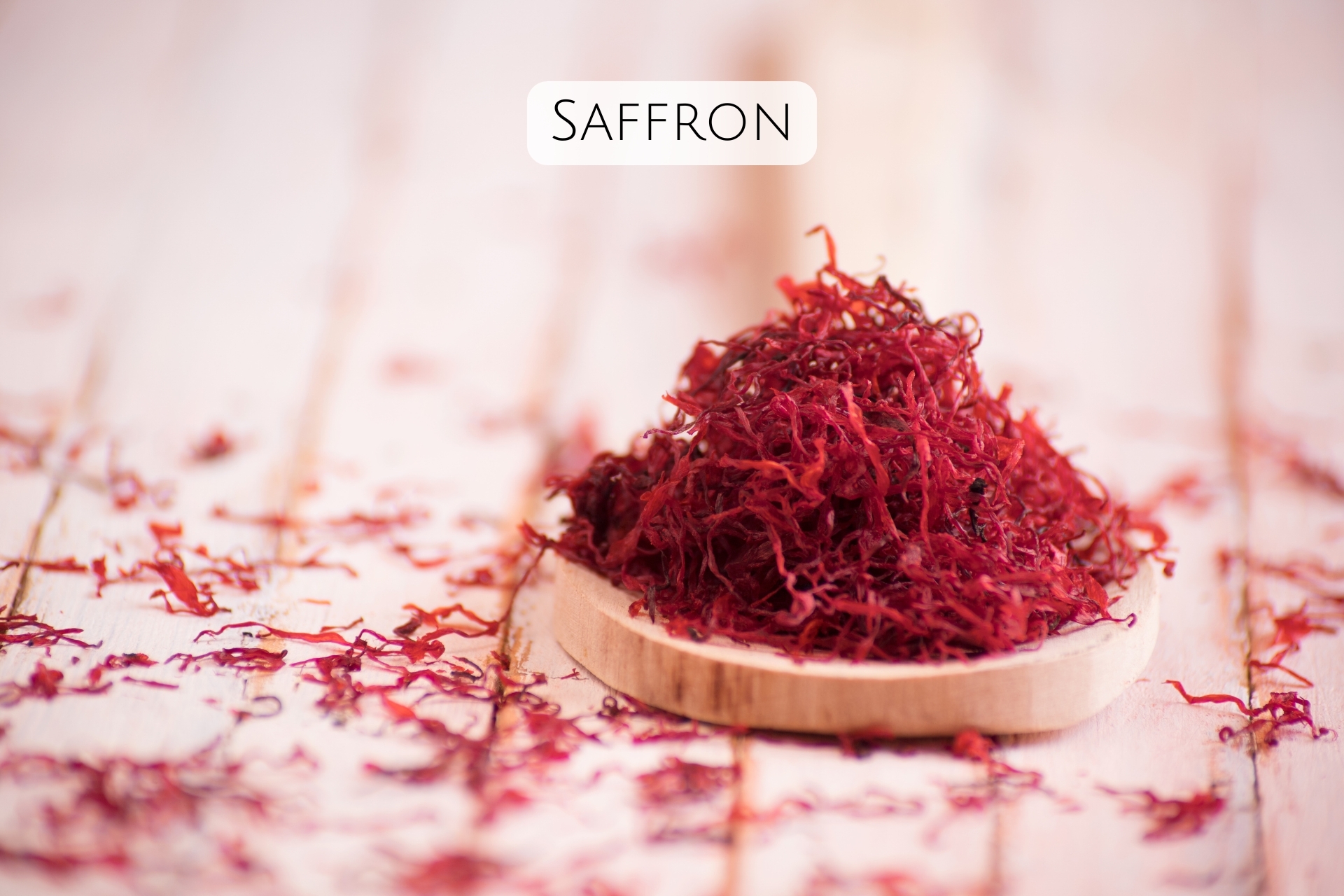
Saffron, revered in Ayurveda as a supreme rasayana (rejuvenating tonic), has emerged as one of the most scientifically validated Ayurvedic ingredients.
Bioactive Compounds:
-
Crocin:
- Primary active compound (6-7% of dry weight)
- Carotenoid giving saffron its distinctive color
- Powerful antioxidant (potency exceeds vitamin E)
- Anti-inflammatory through multiple pathways
- Skin brightening agent (reduces melanin-related discoloration)
-
Safranal:
- Volatile compound (responsible for saffron's aroma)
- Anxiolytic (stress-reducing) properties
- Neuromodulatory effects
- May support skin barrier through nervous system modulation
-
Picrocrocin:
- Bitter compound
- Stimulates saliva and digestive secretions
- Enhances nutrient absorption (bioavailability amplification)
-
Turmeric (Curcuma longa)—The Anti-Inflammatory Master:

Turmeric represents perhaps the most scientifically validated Ayurvedic ingredient, with thousands of published studies.
Bioactive Compounds:
-
Curcumin:
- Primary active compound (3-5% of dry weight)
- Polyphenol with extraordinary anti-inflammatory potency
- Antioxidant power exceeding vitamins C and E
- Antimicrobial (particularly effective against acne-causing bacteria)
-
Turmerones:
- Volatile aromatic compounds
- Anti-inflammatory and antimicrobial properties
- Support bioavailability of curcumin
-
Brahmi (Bacopa monniera)—The Adaptogenic Nervine:
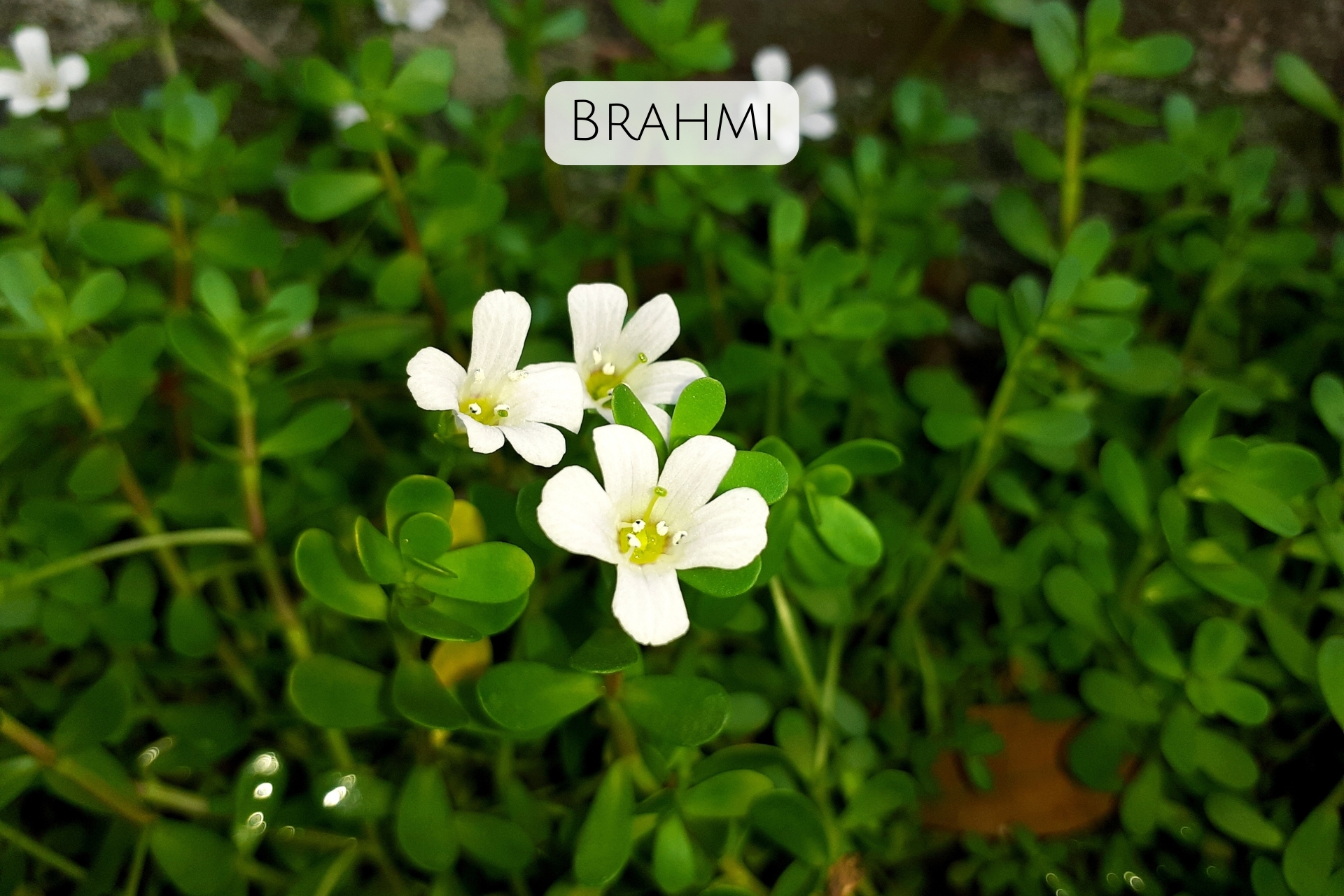
Brahmi, traditionally used for cognition and nervous system support, offers underappreciated skincare benefits.
Bioactive Compounds:
-
Bacosides:
- Primary active compounds.
- Neuroprotective alkaloids.
- Support nervous system function.
- Adaptogenic properties.
-
Flavonoids:
- Antioxidant compounds.
- Support vascular health.
- Anti-inflammatory effects.
-
Neem (Azadirachta indica)—The Antimicrobial Powerhouse:
Neem is Ayurveda's premier antimicrobial and immune-supporting herb, with particular applications for problematic skin.
Bioactive Compounds:
-
Nimbin:
- Primary alkaloid.
- Potent antimicrobial activity.
- Immune-stimulating properties.
-
Fatty Acids:
- Nourishing effect.
- Support barrier lipids.
- Oleic, stearic, linoleic acids.
-
Sandalwood (Santalum album)—The Cooling Soother:
Sandalwood provides unique cooling and skin-soothing properties particularly valuable in hybrid formulations.
Bioactive Compounds:
-
Santalol:
- Primary active compound (90% of essential oil)
- Skin-cooling and soothing
- Antimicrobial
- Anti-inflammatory
-
Alpha and Beta Santalol:
- Enhance each other's effects.
- Full-spectrum sandalwood extract superior to isolated compounds.
Modern Skincare Actives Enhanced by Ayurvedic Botanicals:
-
Retinol/Retinoids + Ayurvedic Botanicals:
Challenge: Retinol causes irritation (sensitivity, dryness, peeling) in 30-40% of users.
Solution: Hybrid formulations pairing retinol with saffron, brahmi, ashwagandha, and aloe vera.
Mechanism:
- Ashwagandha reduces stress-response inflammation.
- Saffron buffers irritation while amplifying brightening.
- Brahmi supports cellular healing during accelerated turnover.
- Aloe vera provides soothing hydration.
Result:
- Retinol efficacy increases 20-30% (faster results)
- Irritation decreases 40-50% (improved tolerance)
- Synergistic brightening and anti-aging effects
- Users remain compliant (less dropout due to irritation)
-
Niacinamide + Turmeric + Neem:
Challenge:Niacinamide is excellent but has a single mechanism (barrier + sebum control).
Solution:Combining niacinamide with turmeric and neem.
Mechanism:
- Niacinamide: Barrier support, sebum regulation, anti-inflammatory.
- Turmeric: Antimicrobial, potent anti-inflammatory, collagen synthesis.
- Neem: Antimicrobial, sebum control, detoxifying.
Result:
- Acne treatment efficacy increases 35-50% (multiple mechanisms)
- Barrier function optimized (niacinamide) while treating acne (turmeric + neem)
- Faster resolution of active acne (4-6 weeks vs. 8-12 weeks alone)
- Prevents future breakouts through internal detoxification support
-
Vitamin C + Licorice + Saffron:
Challenge:Vitamin C has limited brightening alone; combines with other actives inconsistently.
Solution:Hybrid formulation with licorice and saffron.
Mechanism:
- Vitamin C: Collagen synthesis, antioxidant, tyrosinase inhibition
- Licorice: Tyrosinase inhibition, anti-inflammatory
- Saffron: Tyrosinase inhibition, antioxidant, brightening through multiple pathways
Result:
- Brightening efficacy increases dramatically (three mechanisms targeting pigmentation)
- Photo-protective effects enhanced (three antioxidants)
- Dark spot resolution: 6-8 weeks (vs. 12+ weeks with vitamin C alone)
- Constitutional balance maintained (cooling effect balances warming vitamin C)
-
Peptides + Brahmi + Ashwagandha:
Challenge:Peptides signal collagen synthesis, but require optimal conditions (low stress, good sleep, low inflammation).
Solution:Hybrid formulation supporting collagen synthesis conditions.
Mechanism:
- Peptides: Signal collagen synthesis
- Brahmi: Support fibroblast function, collagen synthesis acceleration
- Ashwagandha: Reduce cortisol (which breaks down collagen), support deep sleep
Result:
- Collagen synthesis increases 40-50% (multiple supporting mechanisms)
- Collagen preservation (ashwagandha reduces cortisol-driven breakdown)
- Visible elasticity improvement: 8-10 weeks (vs. 12+ weeks with peptides alone)
- Systemic support (internal stress management enhances topical effects)
Clinical Applications: Targeting Skin Concerns
-
Hyperpigmentation and Melasma:
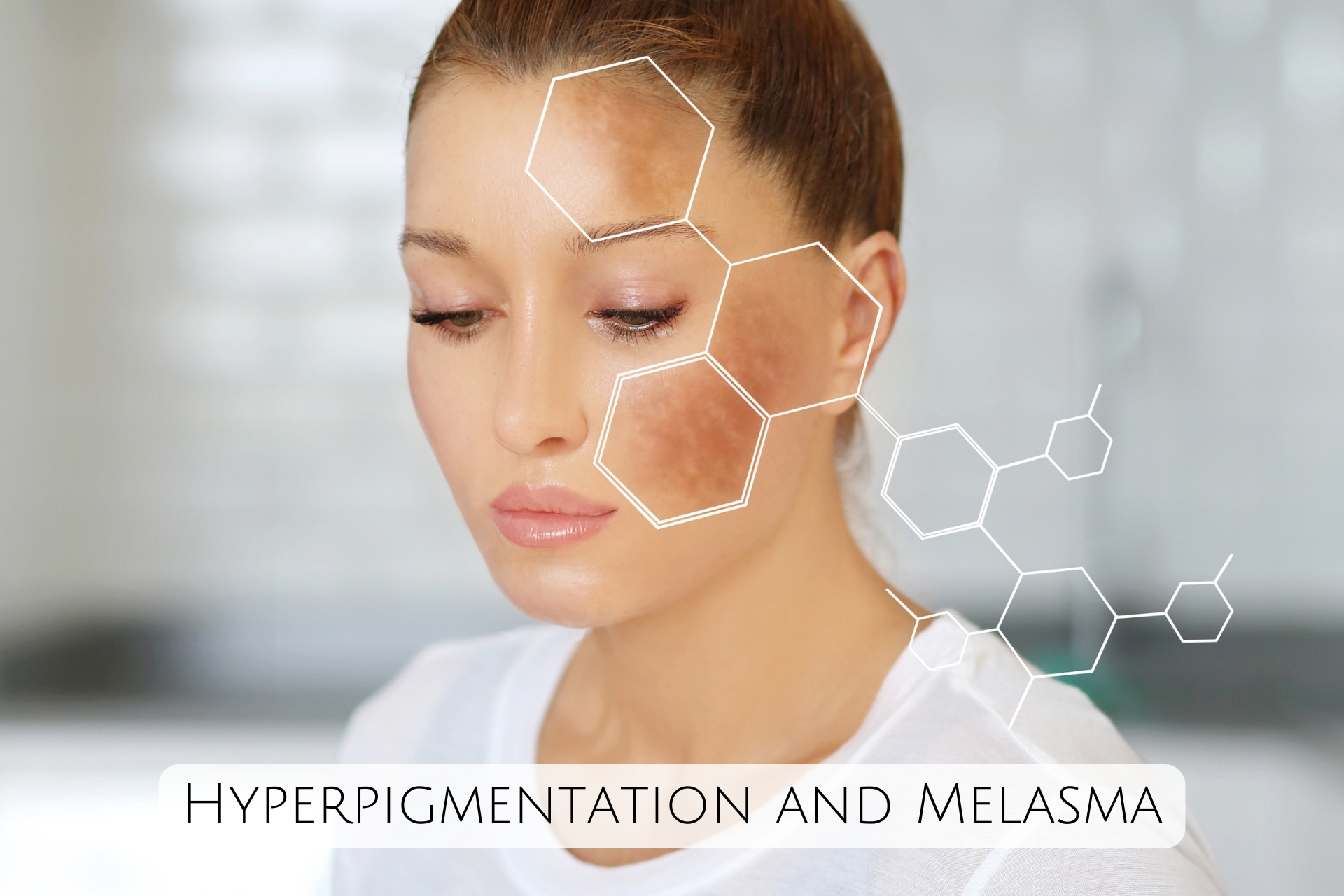
Melasma affects up to 40% of women and is notoriously resistant to treatment. Traditional approaches (hydroquinone, aggressive peels) risk irritation and rebound pigmentation.
Saffron-Retinol Hybrid Approach:
- Saffron's crocetin: Inhibits melanogenesis at the tyrosinase level.
- Retinol: Accelerates turnover of pigmented cells and disperses melanin.
- Combined effect: Addresses both melanin production and removal.
- Timeline: 8-12 weeks for visible improvement; 6 months for significant clearing.
-
Photoaging and Wrinkles:

UV exposure generates reactive oxygen species (ROS) that degrade collagen and elastin. Both saffron and retinol address this through different pathways.
Saffron-Retinol Synergy:
- Prevention: Saffron's antioxidants neutralize ROS before damage occurs.
- Repair: Retinol stimulates collagen synthesis and cellular renewal.
- Protection: Saffron inhibits MMPs that degrade existing collagen.
- Result: Comprehensive anti-aging addressing past damage and future protection.
-
Acne and Post-Inflammatory Hyperpigmentation:
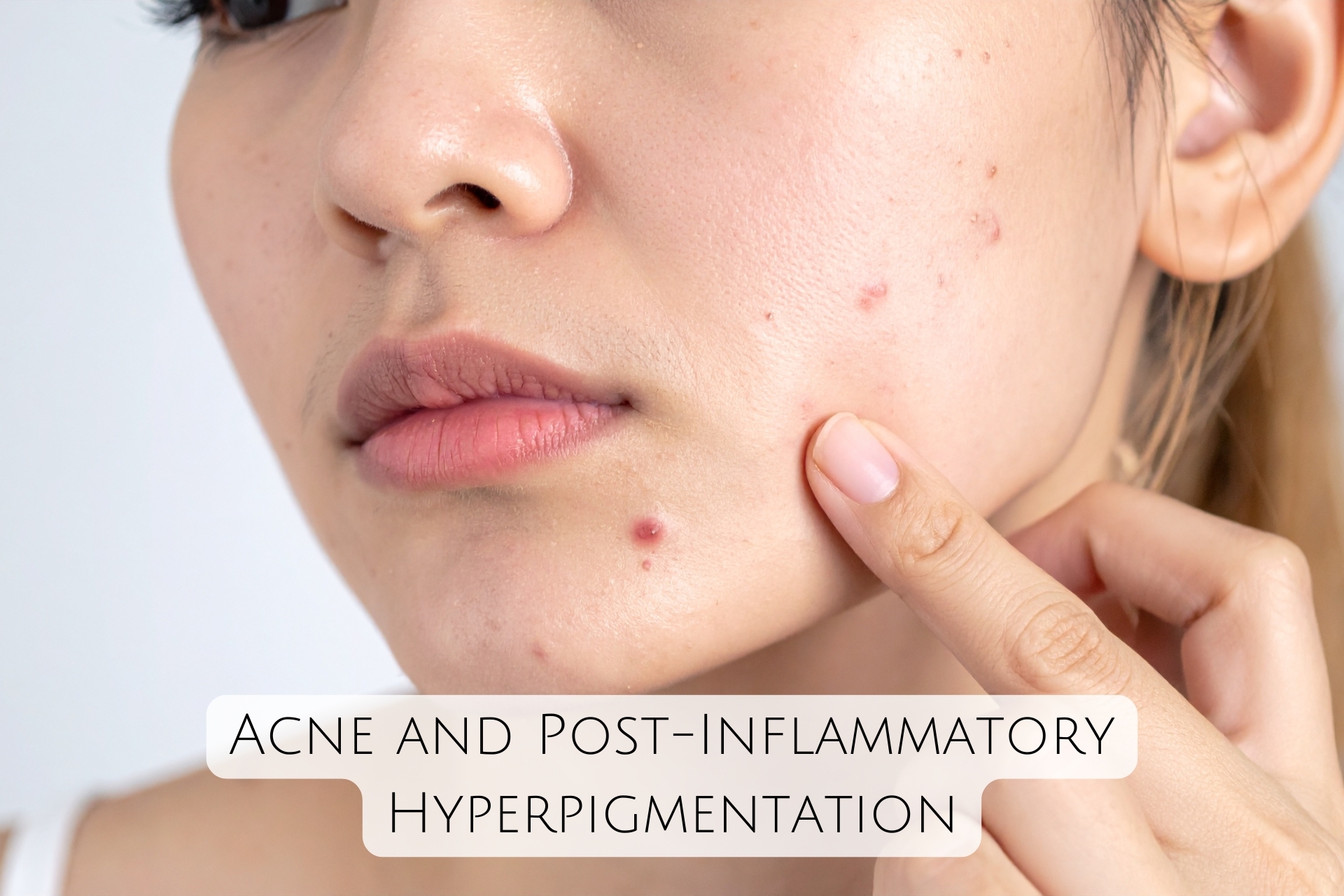
Acne requires keratolytic and anti-inflammatory treatment; PIH requires melanin modulation without irritation.
Hybrid Benefits:
- Retinol: Unclogs pores, prevents comedone formation, accelerates healing.
- Saffron: Anti-inflammatory, antimicrobial, prevents PIH formation.
- Combined: Treats active acne while preventing scarring and dark spots.
Conclusion:
The integration of Ayurvedic wisdom with modern dermatological science represents a revolution in skincare philosophy. For too long, these systems were positioned as opposing: traditional versus modern, slow versus fast, gentle versus powerful. Hybrid Ayurveda-actives formulations prove this binary thinking false.
This convergence honors India's 5,000-year heritage of botanical wisdom while embracing the rigor of modern dermatological science. It recognizes that saffron's crocin and retinol's vitamin A activity are not competitors but collaborators, each addressing skin health through complementary mechanisms. The result is skincare that delivers clinical results without clinical irritation, that respects both cellular biology and cultural heritage.
At Kiwla, we believe that the most powerful skincare innovations emerge at the intersection of tradition and technology. Our curated collection of hybrid Ayurveda-active formulations—including saffron-retinol synergies—represents the pinnacle of this convergence: products that are simultaneously ancient and cutting-edge, gentle and transformative, luxurious and effective.
As the global beauty industry increasingly looks to India for innovation, we stand ready to deliver formulations that honor our heritage while meeting the demands of modern skin science. The golden threads of Kashmir, woven with the golden standard of dermatology, create something entirely new—and entirely beautiful.
Recent Posts
-

From Fasting to Functional Food: What Science Says About Fat-Fast, Kombucha & Other Wellness Fads
Introduction: The wellness world is constantly evolving, with new dietary trends and superfoods prom
-

From K-Beauty to Desi Beauty: How Korean Skincare Trends Are Shaping India’s Routine
Introduction: Korean skincare, popularly known as K-Beauty, has taken the global beauty world by sto
-

Health-span vs Life-span: What Does ‘Living Better’ Really Mean?
Introduction: Defining Health-span and Life-span In the world of healthcare and wellness, the concep