
Microbiome Beauty: Why Your Skin Needs Probiotics and Prebiotics Too

Introduction:
The microbiome of the skin plays a crucial role in maintaining its health and appearance. Recent research has shown that the skin's microbial community, composed of bacteria, fungi, and viruses, can directly impact the skin's barrier function, aging process, and overall complexion. In response to this groundbreaking discovery, the concept of microbiome beauty has emerged, focusing on nurturing and balancing the skin's microbiome to achieve optimal skin health. Far from being the enemy, these microbes are your skin's best defense against irritation, breakouts, and premature aging when in balance. Incorporating probiotics and prebiotics into your skincare routine can help promote a healthy and diverse skin microbiome, ultimately leading to clearer, brighter, and more resilient skin. Join us as we explore the fascinating world of microbiome beauty and learn how to build a probiotic and prebiotic skincare routine for healthy, glowing skin.
Understanding the Skin Microbiome:
Your skin hosts a diverse community of bacteria, fungi, and other microorganisms—collectively known as the skin microbiome. A balanced microbiome is characterized by diverse, beneficial bacteria like Lactobacillus and Bifidobacterium that protect your skin through several mechanisms. These "good" microbes produce antimicrobial peptides that kill acne-causing bacteria, secrete moisturizing compounds like ceramides and hyaluronic acid, regulate pH balance, and produce anti-inflammatory metabolites that soothe irritation.
However, modern skincare practices—harsh cleansers, excessive exfoliation, antibacterial products, environmental pollution, and stress—disrupt this delicate balance, favoring harmful bacteria and fungi. This dysbiosis (imbalance) leads to inflammation, acne, sensitivity, eczema, and accelerated aging. Microbiome-friendly skincare recognizes this and shifts focus toward supporting, nourishing, and restoring the beneficial microbial community.
The Difference Between Probiotics, Prebiotics, and Postbiotics:
Probiotics are live beneficial bacteria or their fermented lysates that are applied topically or consumed orally. They directly introduce "good" microbes to your skin or gut, helping to outcompete harmful bacteria and restore balance. Common topical probiotic strains include Lactobacillus ferment, Bifida ferment lysate, Streptococcus thermophilus, and Saccharomyces ferment filtrate. Each offers unique benefits: Lactobacillus soothes irritation and reduces redness; Streptococcus thermophilus boosts ceramide production for enhanced hydration and barrier strength; Bifida ferment lysate repairs and protects against environmental damage.
Prebiotics are non-digestible compounds that act as "food" for your skin's existing beneficial bacteria, helping them thrive and outcompete harmful microbes. Common prebiotic ingredients include inulin (derived from chicory root), alpha-glucan oligosaccharide, beta-glucan, and fructooligosaccharides (FOS). By nourishing good bacteria, prebiotics strengthen the skin barrier, enhance hydration and resilience, keep the microbiome balanced, and reduce sensitivity and breakouts.
Postbiotics are the metabolic byproducts produced during probiotic fermentation—compounds like lactic acid, peptides, and short-chain fatty acids. These are often more stable than live probiotics and deliver anti-inflammatory, antimicrobial, and anti-aging benefits. Postbiotics can be derived from fermented ingredients like kombucha or specialized fermentation processes, offering a gentler yet highly effective way to support skin health.
Key Benefits of a Probiotic + Prebiotic Routine:
-
Strengthen and Restore Skin Barrier Function:
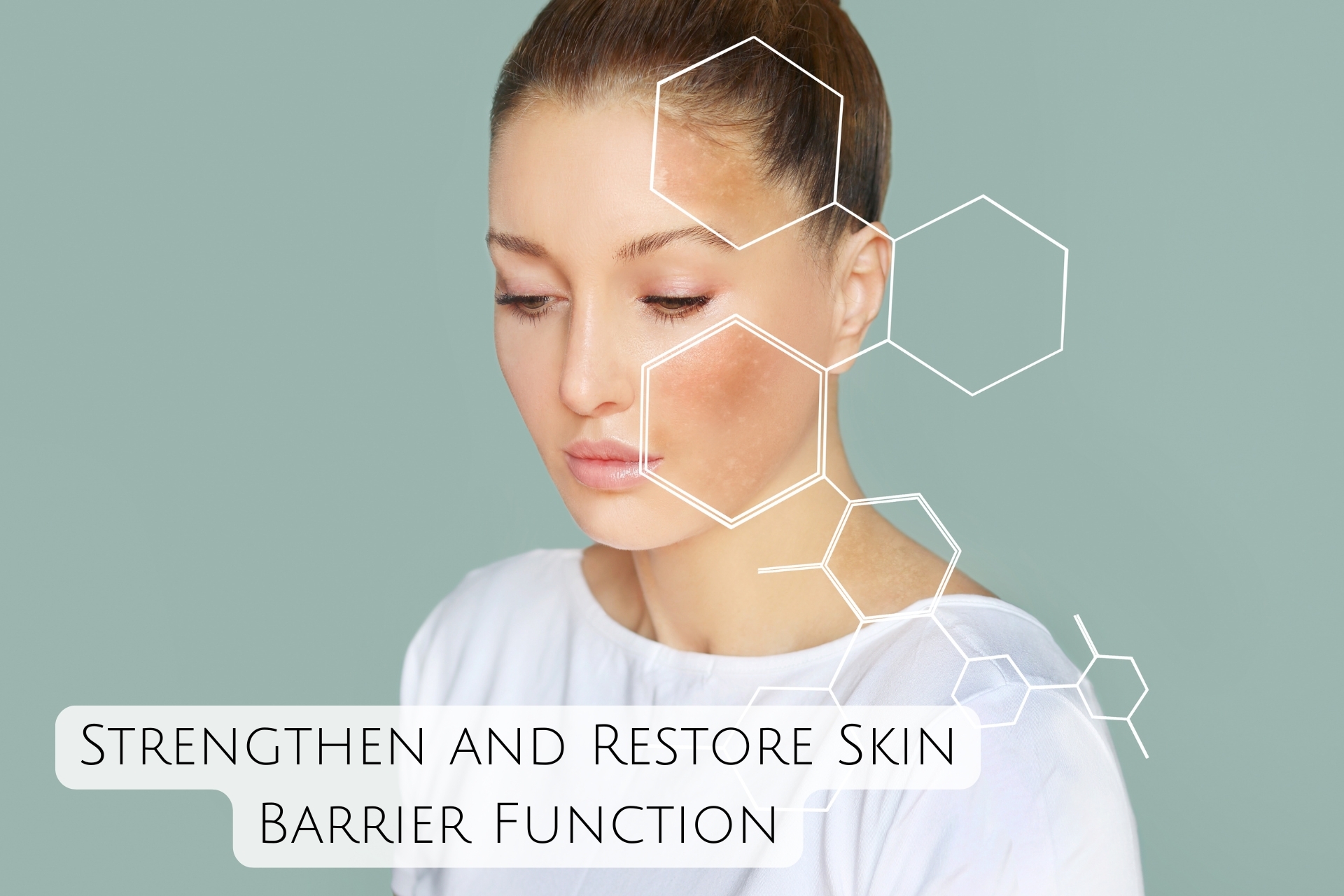
Probiotics and prebiotics work together to enhance the skin's natural defense mechanism. Topical application of Streptococcus thermophilus significantly increases ceramide production—essential lipids that lock in moisture and protect against pollutants and pathogens. A stronger barrier means less irritation, sensitivity, and vulnerability to environmental stressors. For individuals with compromised skin barriers from over-active skincare or harsh conditions, this restoration is transformative.
-
Calm Inflammation and Manage Acne:

A balanced microbiome outcompetes acne-causing bacteria like Cutibacterium acnes. Probiotics like Lactobacillus casei and Bifidobacterium longum produce antimicrobial peptides that kill acne-causing pathogens while releasing calming compounds like GABA that reduce redness and irritation. Clinical studies show that combining topical probiotics with traditional acne treatments provides synergistic benefits, with some studies showing significant improvements in acne lesions within 4 weeks.
-
Reduce Sensitivity and Support Eczema/Rosacea Management:
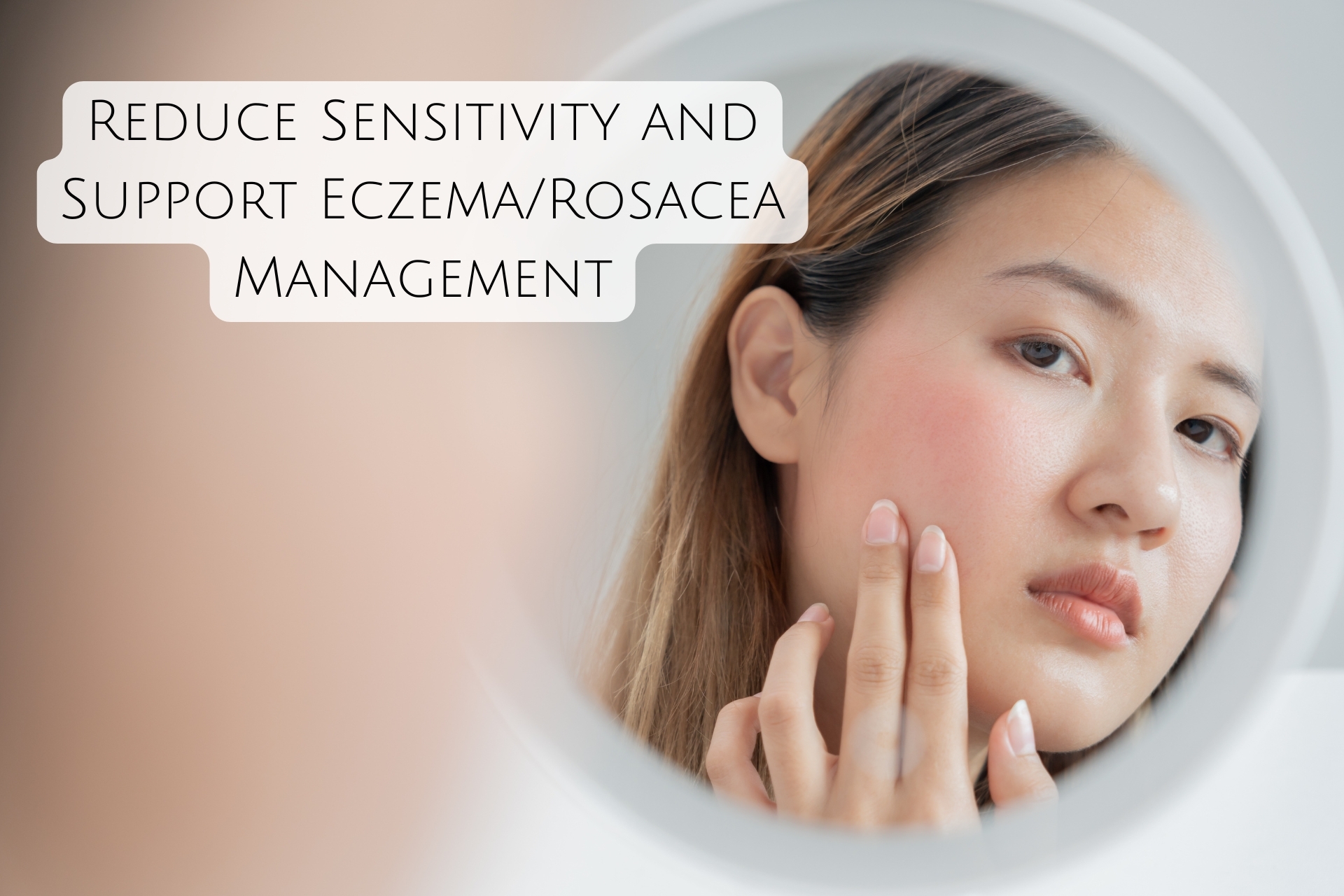
Probiotics modulate immune responses, reducing the inflammatory cascade that triggers sensitivity and flare-ups in conditions like eczema, rosacea, and atopic dermatitis. For sensitive skin, probiotics accelerate barrier repair and reduce reactivity to environmental triggers and skincare actives. The gut-skin axis connection also means that oral probiotic supplementation can complement topical treatments for comprehensive improvement.
-
Balance Oil Production and Enhance Hydration:

A healthy microbiome naturally regulates sebum production, reducing excess shine and clogged pores without over-drying. Simultaneously, probiotics enhance ceramide and hyaluronic acid production, boosting hydration and skin elasticity. This dual action results in balanced, dewy, resilient skin regardless of skin type.
-
Combat Signs of Aging and Environmental Damage:
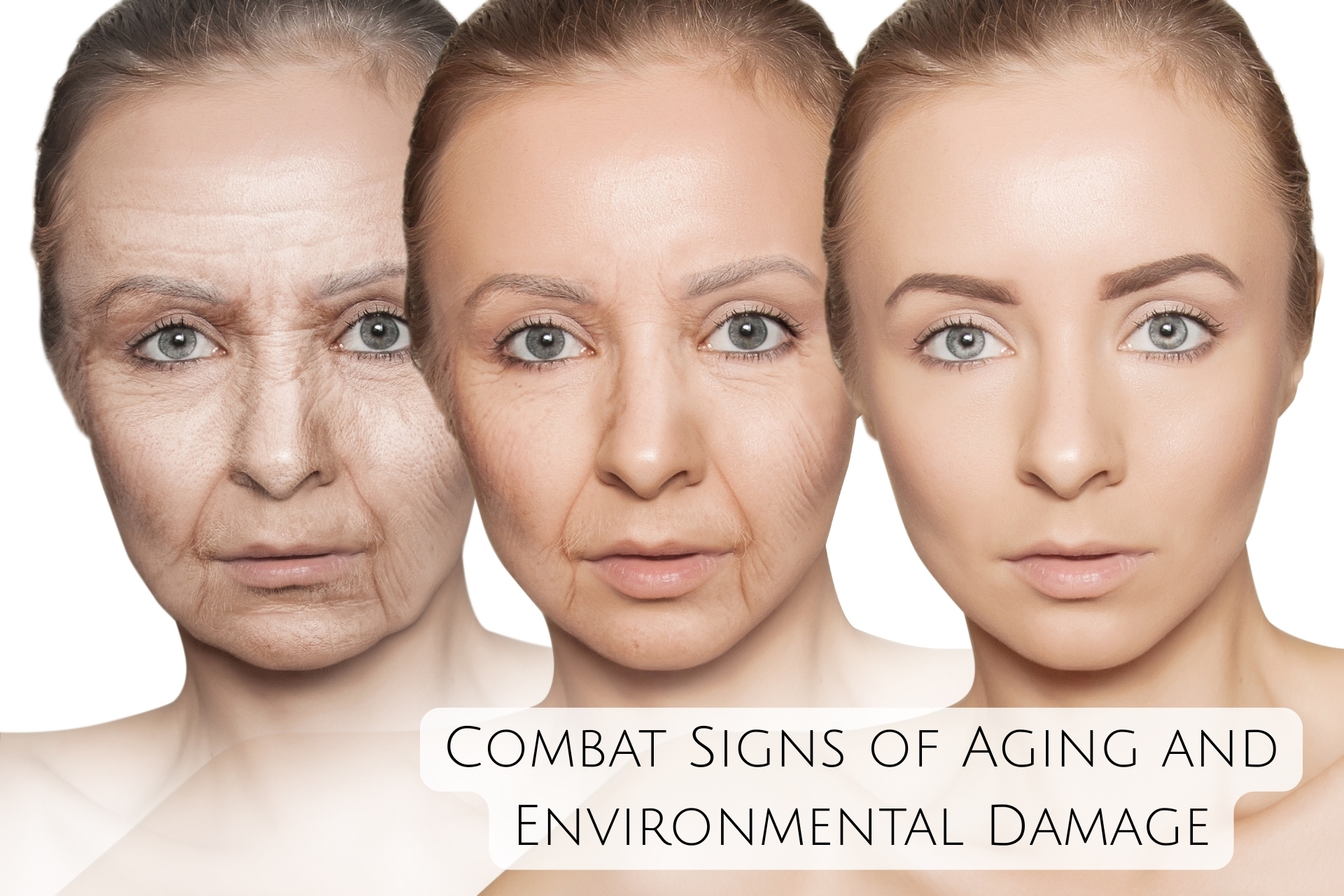
Probiotics boost the production of peptides, collagen, and ceramides—key compounds for maintaining skin elasticity and reducing fine lines. The antioxidant metabolites produced by probiotics reduce oxidative stress from pollution and UV exposure, offering natural photoaging protection. With consistent use over 12-16 weeks, users report improved skin texture, reduced pore appearance, and visibly more youthful skin.
Building Your Probiotic + Prebiotic Skincare Routine:
Step 1: Gentle, pH-Balanced Cleansing:
Begin with a sulfate-free, creamy cleanser enriched with soothing botanicals like aloe vera, chamomile, or oat kernel extract. Avoid harsh soaps or over-cleansing, which strip the skin and disrupt the microbiome. Look for gentle, milk-based formulas that support rather than strip.
Step 2: Hydrating, pH-Balanced Toner:
Apply a prebiotic-infused toner to maintain optimal pH (around 4.5-5.5) and nourish beneficial skin bacteria. Look for ingredients like green tea extract, hyaluronic acid, and probiotic ferments. This toner prepares your skin to absorb subsequent treatments while supporting microbiome balance.
Step 3: Microbiome-Boosting Serum:
Use a serum combining probiotics and/or postbiotics with hydrating and barrier-strengthening ingredients. Ideal options contain Bifida ferment lysate, Lactobacillus ferment, or Streptococcus thermophilus paired with nourishing botanicals and peptides. Apply gently to face and neck, allowing absorption before proceeding.
Step 4: Moisturize with Synbiotics:
Finish with a moisturizer that combines both prebiotics (to feed existing good bacteria) and probiotics (to introduce or support beneficial strains). Look for formulas with ceramides, hyaluronic acid, squalane, and botanical prebiotic sources like inulin or beta-glucan. This is your final barrier against environmental stress.
Optional Step 5: Oral Probiotic Supplementation:
For comprehensive microbiome support, especially for acne, eczema, or aging concerns, take oral probiotics containing 1-10 billion CFUs daily. Consistency is key—expect initial improvements within 4-6 weeks, with optimal results after 12-16 weeks. Many experts recommend combining oral and topical probiotics for maximum effectiveness.
The Gut-Skin Axis: Internal Support for External Glow:
The gut-skin axis represents a revolutionary paradigm shift in understanding how internal digestive health directly influences external skin appearance and health. This bidirectional relationship means that improving your gut microbiome through oral probiotics, prebiotics, and dietary changes creates visible improvements in skin clarity, radiance, texture, and resistance to common skin conditions.
How the Gut Influences Skin:
The gut microbiome affects skin through multiple interconnected pathways. First, the gut produces metabolites like short-chain fatty acids (SCFAs)—particularly butyrate and propionate—which are essential for maintaining intestinal barrier integrity and producing critical vitamins like K and B12. These SCFAs enter the bloodstream and regulate systemic inflammation, immune tolerance, and T-cell differentiation, directly impacting skin inflammatory conditions like acne, eczema, psoriasis, and rosacea.
Second, the gut microbiota influences the production of neurotransmitters and immune factors that travel through the body via the bloodstream and vagus nerve. Dysbiosis (gut microbial imbalance) increases intestinal permeability—the "leaky gut" phenomenon—allowing pro-inflammatory molecules and bacterial endotoxins to enter circulation, triggering systemic inflammation that manifests as inflammatory skin conditions, accelerated aging, and reduced skin barrier function.
Third, the gut microbiome regulates the immune system's balance between pro-inflammatory and anti-inflammatory responses. A diverse, balanced microbiota promotes tolerogenic immune responses that prevent excessive inflammation; dysbiosis shifts the immune system toward a pro-inflammatory state that exacerbates skin diseases.
The Future of Microbiome Beauty:
The landscape of microbiome beauty is rapidly evolving, driven by artificial intelligence, genetic engineering, and personalized biotech innovations that promise to revolutionize how we approach skincare and skin health.
AI-Driven Microbiome Analysis and Personalization:
Artificial intelligence is accelerating microbiome science at an unprecedented pace. AI-powered diagnostic tools can now process complex datasets from skin microbiome sequencing and rapidly identify patterns, predict microbial interactions, and recommend hyper-personalized skincare solutions tailored to each individual's unique microbial composition. Companies like Parallel Health are leveraging microbiome sequencing to formulate precision treatments based on bacterial diversity. AI models like "SkinBug" can predict how the skin microbiome will metabolize specific molecules, enabling the design of novel prebiotics and postbiotics optimized for individual microbiome profiles.
Additionally, AI can predict skin age, hydration status, menopausal status, and even smoking exposure from microbiome analysis alone, enabling predictive health monitoring and preventive skincare interventions. This computational approach facilitates personalized skincare strategies, optimizes product formulations, and enables longitudinal monitoring of skin health changes over time.
Live Biotherapeutic Products (LBPs) and Engineered Probiotics:
The next frontier involves live biotherapeutic products—engineered probiotics designed to restore microbial balance, strengthen the skin barrier, and combat inflammatory conditions like eczema and rosacea with surgical precision. These LBPs are genetically engineered or carefully selected to produce optimal levels of beneficial metabolites (postbiotics) like ceramides, hyaluronic acid, and anti-inflammatory compounds.
Metabolomics and Postbiotic Optimization:
Metabolomics—the study of small metabolites produced by microbes—is revealing how to design prebiotics and postbiotics that precisely modulate microbial metabolism to produce optimal skin-beneficial compounds. Future skincare will focus less on introducing probiotics and more on optimizing the postbiotic metabolites they produce, offering more stable and standardized skincare solutions.
Market Growth and Accessibility:
The personalized beauty devices and microbiome-focused skincare market is projected to grow exponentially, with AI-driven skin analysis searches increasing by 1,071% since 2020. At-home microbiome testing kits are democratizing access to personalized recommendations, making microbiome beauty increasingly accessible to mainstream consumers across income levels.
The future of microbiome beauty is personalized, tech-enabled, and rooted in cutting-edge science that treats the skin as a living ecosystem rather than a surface to be controlled. By harnessing AI, genetic engineering, and systems biology approaches, the next generation of skincare will deliver unprecedented clarity, resilience, and radiance through precision microbiome optimization—a true revolution in how we understand and achieve beautiful, healthy skin.
How Kiwla Supports Your Microbiome Beauty Journey:
Kiwla makes microbiome beauty practical by offering both probiotic-powered skincare and clinically oriented gut health supplements, so you can support your skin’s ecosystem from the outside and within. From microbiome-balancing creams and serums with probiotic and prebiotic complexes to targeted clear-skin probiotic formulas, synbiotic blends, and gut-focused capsules, Kiwla’s range is designed to nurture Lactobacillus- and Bifidobacterium-rich communities that calm inflammation, support barrier repair, and promote clearer, more resilient skin over time. By combining science-backed formulations, diverse global brands, and easy online access in India, Kiwla empowers you to build a complete probiotic + prebiotic ritual—gentle cleansing, microbiome-friendly skincare, and gut-support supplements—that works with your skin’s microbes instead of against them.
Conclusion:
In conclusion, the integration of probiotic and prebiotic products in skincare routines has demonstrated remarkable outcomes in promoting skin health. Your skin's microbiome is not a trend—it's the foundation of long-term skin health and radiance. By shifting from harsh activities to microbiome-supporting probiotics and prebiotics, you build a resilient, balanced ecosystem that naturally defends against acne, sensitivity, aging, and environmental damage. This science-backed approach, supported by decades of research, proves that the healthiest skin is not stripped and controlled, but nurtured and supported. Start your microbiome beauty journey today with gentle cleansing, prebiotic toning, probiotic serums, and patient consistency. Within weeks, you'll experience calmer, clearer, more radiant skin—evidence of a thriving microbial community working in your favor.
Recent Posts
-

Color Riot:Embracing Statement Makeup in Modern Indian Urban Culture
Introduction: Urban India is witnessing a bold shift in beauty culture. Makeup is no longer limited
-

Edible Skincare: How Indian Superfoods are Transforming Skin Health
Introduction: The most transformative skincare revolution isn't happening in laboratories or luxury
-

From Fasting to Functional Food: What Science Says About Fat-Fast, Kombucha & Other Wellness Fads
Introduction: The wellness world is constantly evolving, with new dietary trends and superfoods prom