
The Role of Omega-3s in Brain Health and Heart Disease Prevention

Omega-3 fatty acids are essential polyunsaturated fats that play a crucial role in maintaining overall health. They are considered essential because our bodies cannot produce them on their own, meaning we must obtain them through diet or supplementation. Omega-3s are found in various sources, particularly in fatty fish, flaxseeds, chia seeds, and walnuts. These healthy fats are known for their wide-reaching benefits, especially when it comes to brain health and the prevention of heart disease. In this article, we will explore how omega-3s contribute to mental clarity, cognitive function, emotional well-being, and heart health.
What Are Omega-3 Fatty Acids?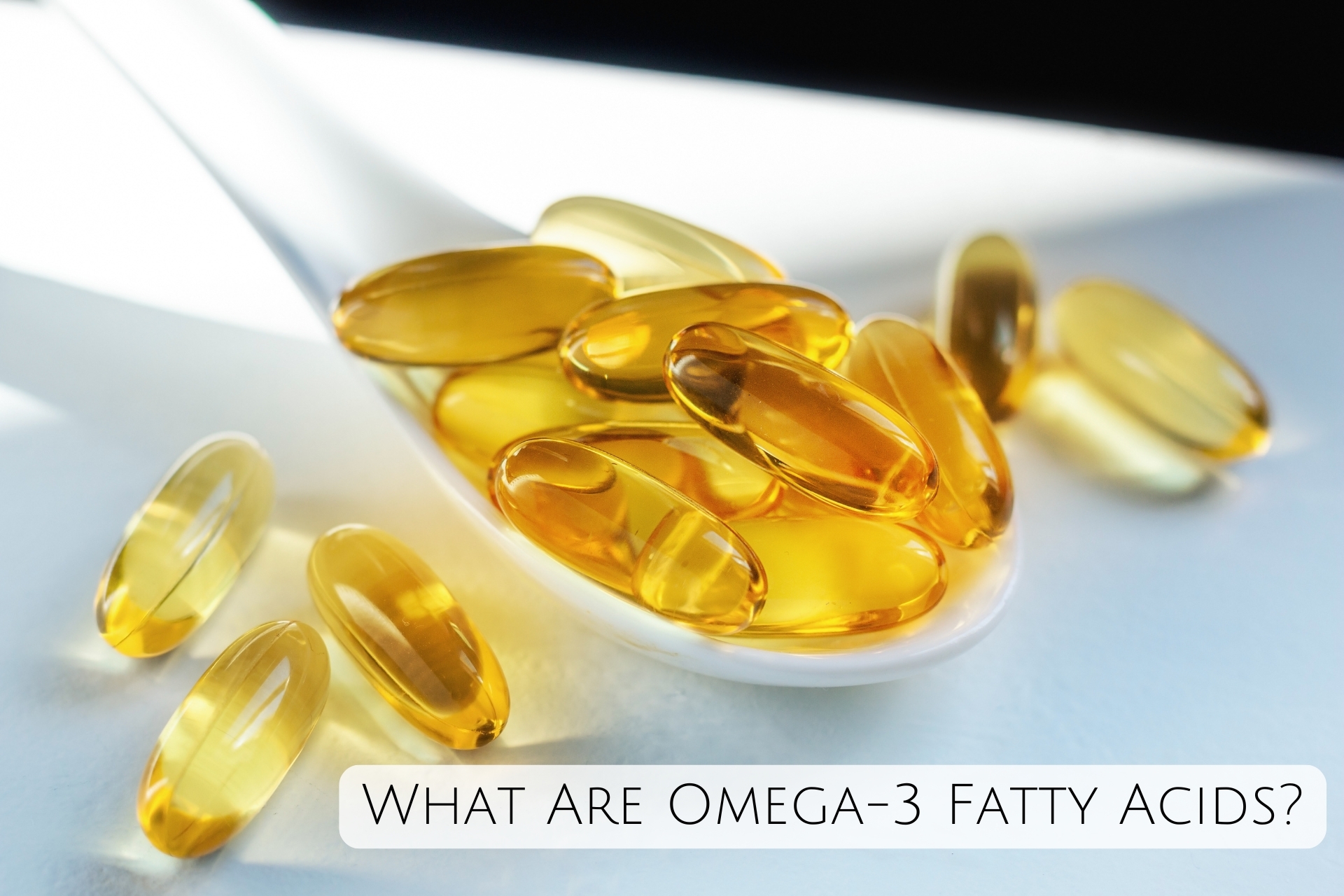
- Alpha-linolenic acid (ALA): Primarily found in plant sources like flaxseeds, chia seeds, and walnuts. ALA is the precursor to the other omega-3s, but the body must convert it into the more beneficial forms, EPA and DHA.
- Eicosapentaenoic acid (EPA): Found in fatty fish like salmon, mackerel, and sardines. EPA is known for its anti-inflammatory properties and benefits for mental health.
- Docosahexaenoic acid (DHA): Also found in fatty fish, DHA is a major structural component of the brain, retina, and nervous system. It is particularly important for cognitive function and brain development.
Each of these omega-3s plays a distinct yet complementary role in maintaining the health of various body systems, including the brain and cardiovascular system.
Omega-3s and Brain Health: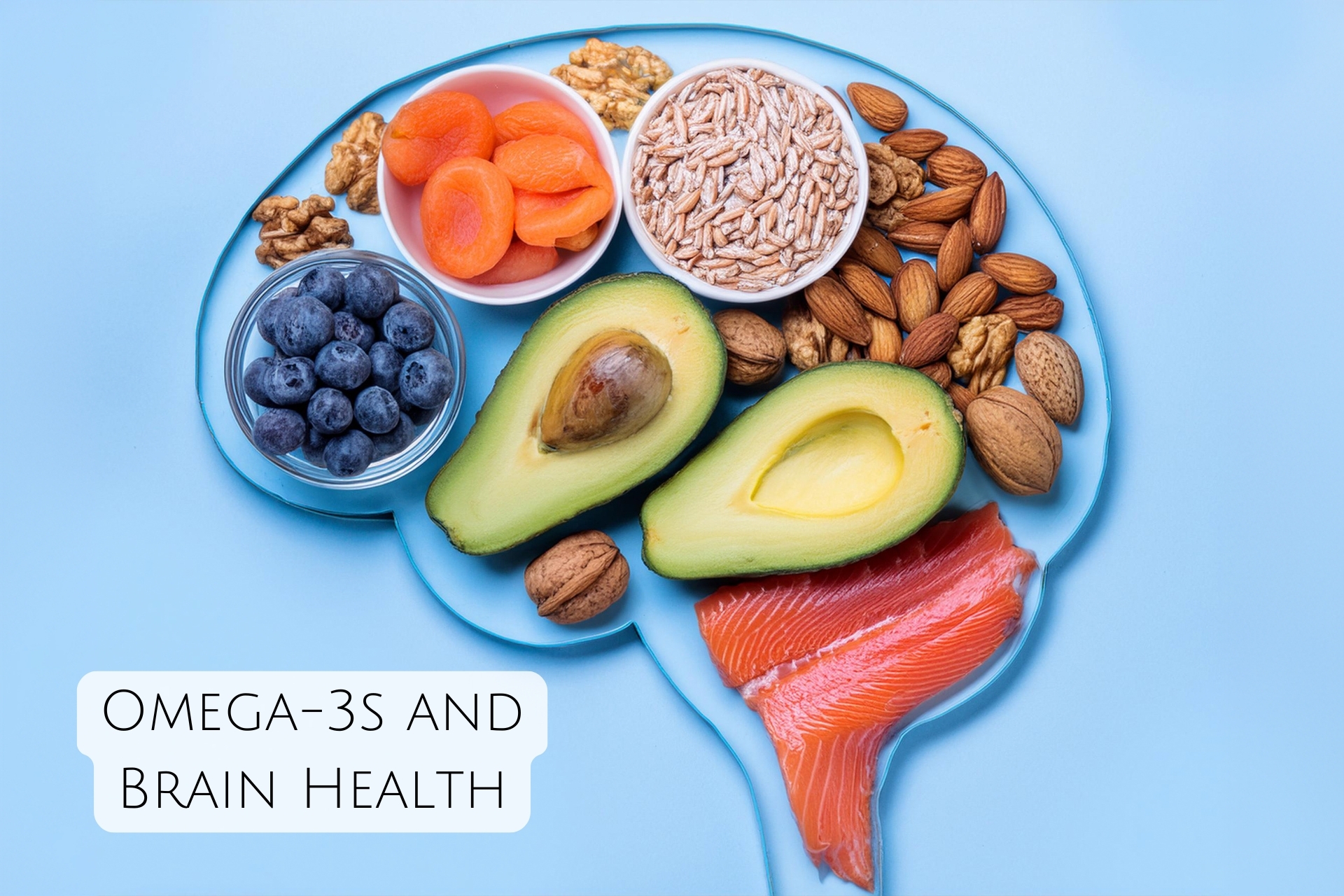
The brain is one of the most fat-dense organs in the human body, with a significant portion of its structure made up of fats—especially DHA. This is why omega-3 fatty acids are critical for cognitive function, memory, and overall mental well-being.
1. Enhancing Cognitive Function and Memory:
DHA is the predominant omega-3 fatty acid in the brain, making it essential for neuronal function. It is involved in the formation of cell membranes, which are critical for proper brain signaling. DHA-rich foods like fish are associated with improved cognitive function and memory performance. Studies show that individuals with higher levels of DHA tend to perform better in tasks involving memory and processing speed, while those with lower levels may experience cognitive decline.
2. Preventing Age-Related Cognitive Decline:
Omega-3s, especially DHA, are linked to a decreased risk of developing Alzheimer's disease and other forms of dementia. Research suggests that omega-3 supplementation may help reduce the rate of cognitive decline in elderly individuals, potentially preventing or delaying the onset of neurodegenerative diseases. Omega-3s support the brain’s structural integrity, which is critical for maintaining cognitive abilities as we age.
3. Mental Health and Emotional Well-Being:
EPA has shown promise in managing mood disorders such as depression and anxiety. Omega-3 fatty acids influence the production of neurotransmitters, such as serotonin and dopamine, which regulate mood and emotional responses. Studies have found that individuals with lower omega-3 levels are more likely to experience depression, while those who consume more omega-3-rich foods often report improved mood and emotional stability.
- Depression: Omega-3 supplementation has been found to be particularly effective in alleviating symptoms of depression, especially in individuals with major depressive disorder. The anti-inflammatory effects of EPA are believed to play a significant role in mitigating mood disturbances.
- Anxiety: Omega-3s may also help reduce symptoms of anxiety. Research shows that regular intake of omega-3s can lead to a reduction in stress levels, likely due to their ability to reduce inflammation and regulate the brain's response to stress.
4. Brain Development in Children:
Omega-3s, particularly DHA, are critical during pregnancy and early childhood for brain development. Adequate omega-3 intake during pregnancy has been shown to improve cognitive development in infants, as well as their ability to focus, learn, and retain information. Omega-3s support the growth of the brain's gray matter, which is involved in muscle control and sensory perception.
Omega-3s and Heart Disease Prevention: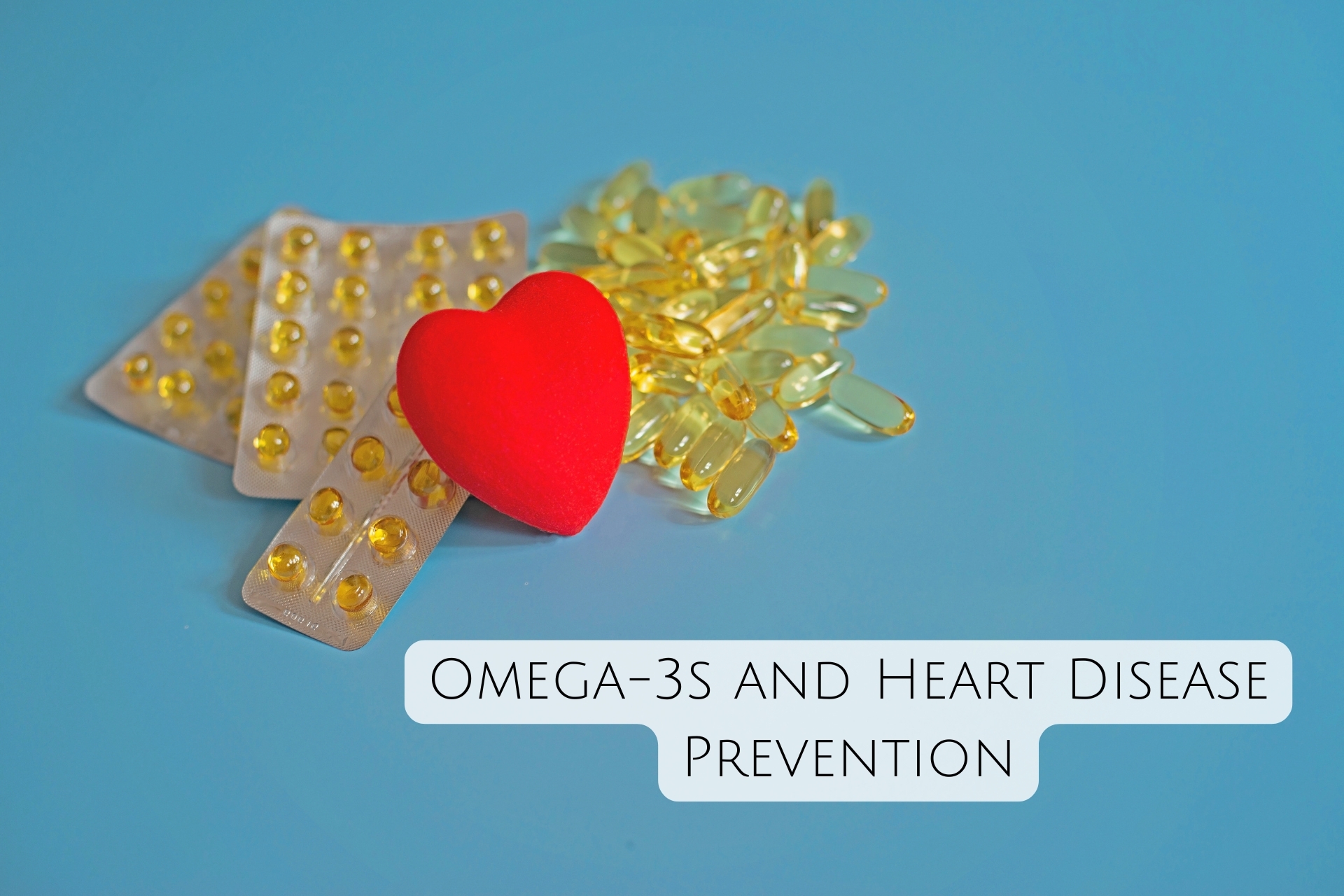
Heart disease remains one of the leading causes of death worldwide, but omega-3s have been shown to offer substantial protection against cardiovascular issues. These fatty acids have several beneficial effects on heart health, ranging from lowering inflammation to improving blood vessel function.
1. Reducing Inflammation:
Chronic inflammation is a key driver of many cardiovascular diseases, including atherosclerosis, which is the hardening and narrowing of the arteries. Omega-3s, particularly EPA, have strong anti-inflammatory properties, helping to lower the levels of pro-inflammatory cytokines in the body. This can help prevent the buildup of plaque in the arteries, reducing the risk of heart attack and stroke.
2. Lowering Blood Pressure:
Omega-3s have been shown to have a mild blood pressure-lowering effect, especially in individuals with hypertension. Research indicates that regular omega-3 intake can help lower both systolic and diastolic blood pressure, which is beneficial for reducing the risk of cardiovascular events such as heart attacks and strokes.
3. Reducing Triglycerides:
Omega-3 fatty acids can help lower triglyceride levels by reducing the liver’s production of these fats. Several studies have shown that omega-3 supplementation can significantly reduce triglyceride levels, helping to improve overall cardiovascular health.
4. Improving Cholesterol Levels:
Omega-3s also play a role in improving cholesterol levels. While they don’t necessarily lower LDL ("bad" cholesterol) directly, omega-3s increase HDL ("good" cholesterol) levels. Higher HDL levels help to remove excess cholesterol from the bloodstream and transport it to the liver for excretion, which can reduce the risk of plaque buildup in the arteries.
5. Supporting Heart Rhythm:
Omega-3s have been shown to support healthy heart rhythms by stabilizing the electrical activity of the heart. This is particularly beneficial for individuals with arrhythmias, or irregular heartbeats. Omega-3s help reduce the risk of abnormal heart rhythms, thus lowering the chances of sudden cardiac events.
How to Incorporate Omega-3s into Your Diet:
There are several ways to ensure you are getting enough omega-3s to support brain and heart health:
- Fatty Fish: Fatty fish such as salmon, mackerel, sardines, and trout are excellent sources of EPA and DHA. Aim to include at least two servings of fatty fish in your diet each week.
- Flaxseeds and Chia Seeds: For those following a plant-based diet, flaxseeds, chia seeds, and walnuts are great sources of ALA, which the body can convert into EPA and DHA. Ground flaxseeds and chia seeds can be added to smoothies, oatmeal, or baked goods.
- Omega-3 Supplements: If it’s difficult to get enough omega-3s through food alone, omega-3 supplements like fish oil or algal oil (a plant-based alternative) are available. Always consult with a healthcare provider before starting supplements, as they can interact with certain medications or conditions.
- Fortified Foods: Many foods, including eggs, yogurt, and certain brands of milk and juice, are fortified with omega-3s. These can be an easy way to increase omega-3 intake, especially for individuals who do not consume fish.
Conclusion:
Omega-3 fatty acids are integral to maintaining both brain health and cardiovascular health. From enhancing cognitive function and reducing the risk of depression to preventing heart disease and improving circulation, omega-3s offer a wide range of benefits. Incorporating omega-3-rich foods into your diet is an easy and effective way to support long-term brain function and protect your heart. Whether through fatty fish, seeds, or supplements, ensuring that you get enough omega-3s can significantly contribute to your overall well-being and longevity.
Recent Posts
-

Seed-Cycling, Cold Plunges & Breathwork: Why Indians Are Embracing These ‘Biohacks’
Introduction: India has always had a rich tradition of holistic wellness — from Ayurveda and pranay
-

Sustainable Beauty: How to Build an Eco-Friendly Vanity in India
Introduction: In a world increasingly driven by the urgent need for sustainability, even our beauty
-

The Art of Adaptogen Stacking: Combining Ancient Herbs for Modern Performance
Introduction: In today’s fast-paced world, stress, fatigue, decreased focus, and burnout have become
