
AI-Nutrition & Microbiome Tracking: The Personalized Wellness Revolution for India
Introduction:
Traditional nutrition and wellness have relied on a one-size-fits-all approach, offering universal guidelines that disregard individual genetic backgrounds, environmental exposures, lifestyles, and health conditions. This overlooks the crucial fact that every body is unique, with differing microbiome compositions, genetic predispositions to nutrient deficiencies, and metabolic efficiencies. Consequently, wellness recommendations effective for one person may be ineffective or harmful to another. This standardized approach is particularly inadequate in India, given its diverse dietary traditions, varying environmental stressors, and limited access to personalized healthcare.
However, a revolution is underway, driven by AI's ability to process complex health data, advanced microbiome analysis, and accessible health tracking devices. These technologies are shifting wellness from standardized prescriptions to predictive, personalized approaches tailored to individual genetic profiles, microbiome compositions, lifestyles, and health goals. India is poised to lead this revolution, possessing both the technological innovation and pressing healthcare needs that make AI-powered personalized nutrition essential. This analysis explores the function of AI-nutrition and microbiome tracking, their implications for Indian wellness, and how platforms are democratizing access to personalized health guidance.
Understanding the Microbiome: Your Body's Hidden Ecosystem: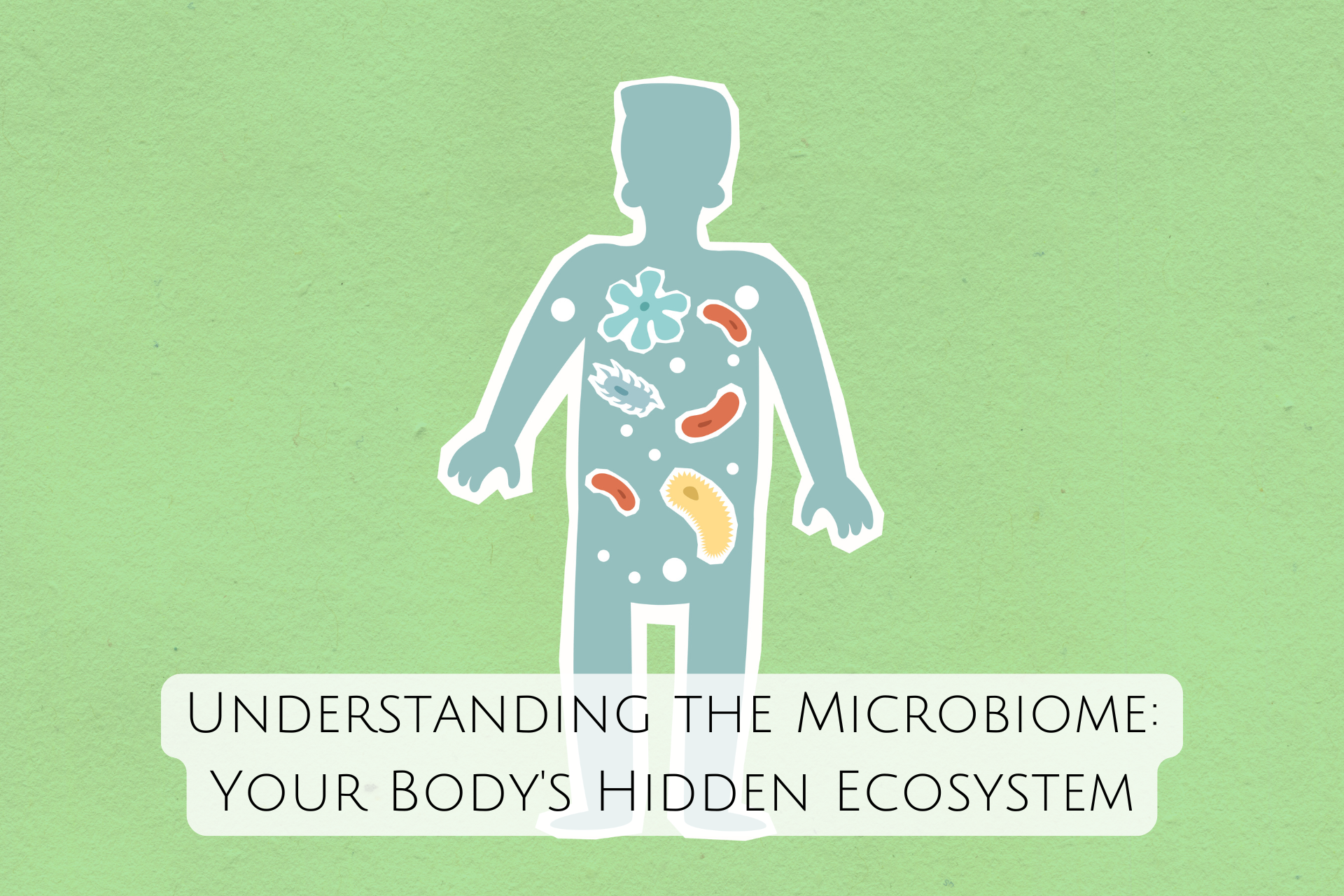
The human microbiome—the collective term for trillions of microorganisms residing throughout your body, predominantly within your gut—represents one of the most significant medical discoveries of the twenty-first century, fundamentally transforming our understanding of human health, nutrition absorption, and disease prevention. Your gut microbiome comprises approximately 38 trillion bacterial cells representing 1,000+ distinct species, alongside fungi, viruses, and archaea, functioning collectively as a complex ecosystem profoundly influencing virtually every aspect of your wellbeing. Far from representing mere passengers within your digestive system, these microorganisms actively manufacture essential nutrients your body cannot produce independently—including short-chain fatty acids, B vitamins, and vitamin K. They regulate immune system maturation and function, determine whether you develop allergies or auto-immune conditions, influence your mental health and mood through the gut-brain axis, control metabolic efficiency in converting food into energy, and essentially determine whether you remain healthy or develop chronic disease.
Scientific research over the past decade has revealed astonishing correlations between microbiome composition and health outcomes previously attributed entirely to genetics or behavior. Individuals with diverse, robust microbiomes—characterized by numerous bacterial species and stable ecological balance—demonstrate superior health across nearly every measured parameter: stronger immunity, healthier metabolic rates, better mental health, reduced inflammation, superior nutrient absorption, and decreased risk of conditions including obesity, diabetes, cardiovascular disease, autoimmune disorders, and even certain cancers.
Indian populations exhibit microbiome characteristics distinctly different from Western cohorts, reflecting evolutionary adaptation to traditional diets, environmental exposures, and genetic backgrounds. Research demonstrates that individuals consuming traditional Indian diets—characterized by abundant fermented foods, diverse plant varieties, seasonal eating patterns, and spice utilization—maintain microbiome compositions demonstrating superior diversity and metabolic health indicators compared to Western populations consuming processed, homogenized diets. However, rapid dietary westernization in urban India threatens these traditional protective patterns, with younger generations exhibiting microbiome dysbiosis comparable to Western populations despite maintaining some traditional dietary elements. Understanding this trajectory makes individualized microbiome optimization increasingly crucial for Indian populations seeking to maintain traditional health advantages while adapting to modern circumstances.
The AI Revolution in Nutrition Science:
Artificial intelligence transforms nutritional science from broad generalization toward precise personalization through capacity to process massive datasets encompassing genetic information, microbiome composition, dietary intake, lifestyle patterns, biomarker measurements, and health outcomes, identifying individualized patterns invisible to traditional analysis. Machine learning algorithms trained on millions of nutritional and health datasets can predict with remarkable accuracy how specific individuals will respond to particular foods, supplements, and lifestyle modifications—moving beyond population averages toward individual reality.
-
Nutrigenomics and Genetic Personalization:
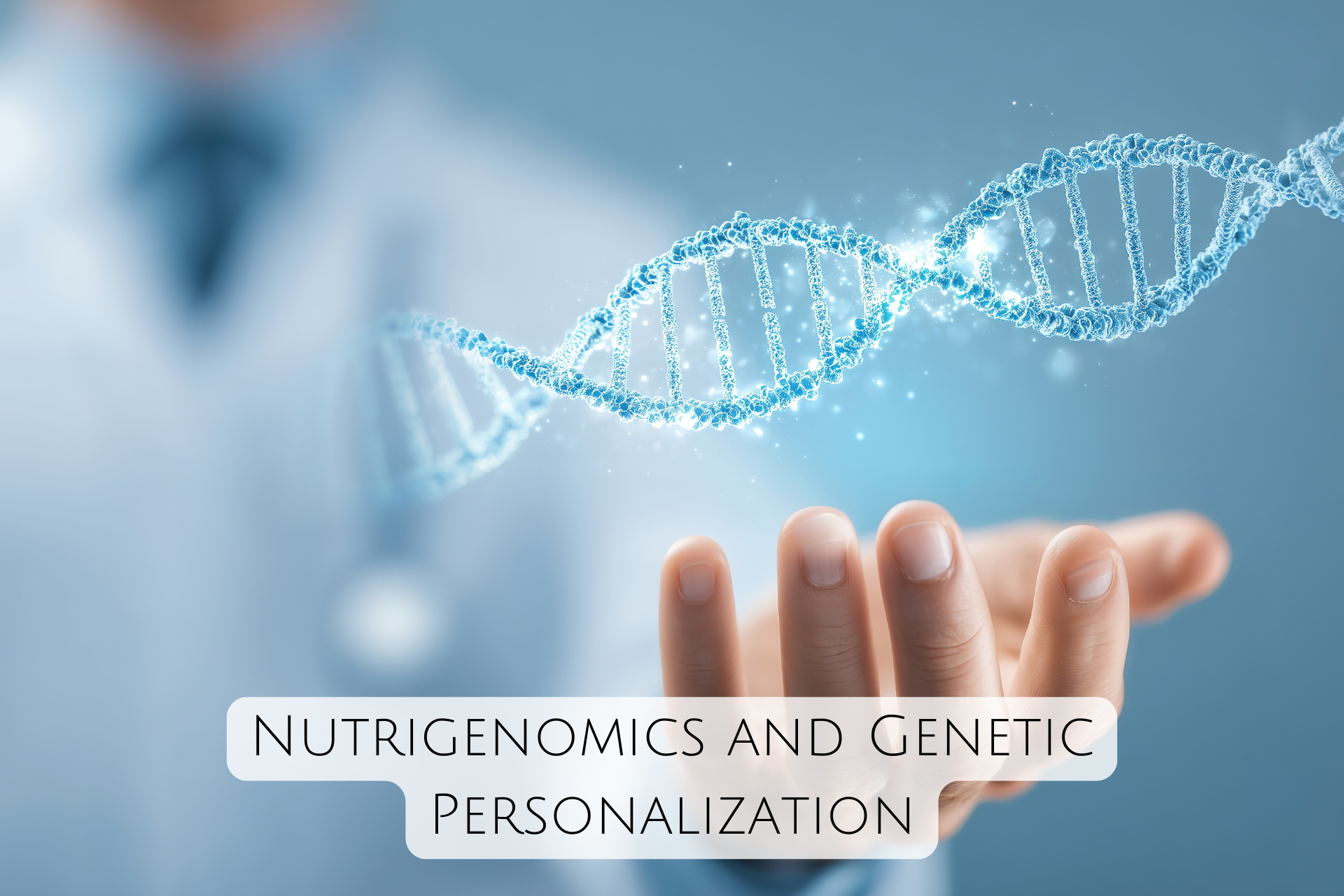
This represents the foundation of AI-driven nutritional science. Your genes fundamentally influence how efficiently your body processes different nutrients, whether you carry increased risk for specific nutrient deficiencies, and which dietary patterns best align with your genetic predispositions. For instance, variations in the MTHFR gene affect folate metabolism, influencing whether you require increased B-vitamin supplementation; polymorphisms in lactase-persistence genes determine whether you can digest dairy without discomfort; genetic variations in cholesterol metabolism influence whether low-fat or moderate-fat diets better optimize your cardiovascular health.
-
Microbiome-Based Nutrition Optimization:

It leverages microbiome analysis to identify which specific bacterial species and metabolic pathways within your individual ecosystem require support or rebalancing. Different microbiome compositions respond differently to identical dietary interventions; fermented foods benefiting one person's dysbiotic microbiome may prove unnecessary or even counterproductive for another with robust microbial diversity. AI algorithms trained on microbiome-nutrition datasets predict optimal dietary modifications, fermented food selections, prebiotic supplementation strategies, and probiotic formulations specifically tailored to support your individual microbiome composition toward maximum diversity and metabolic benefit.
-
Real-Time Nutritional Tracking and Biofeedback:
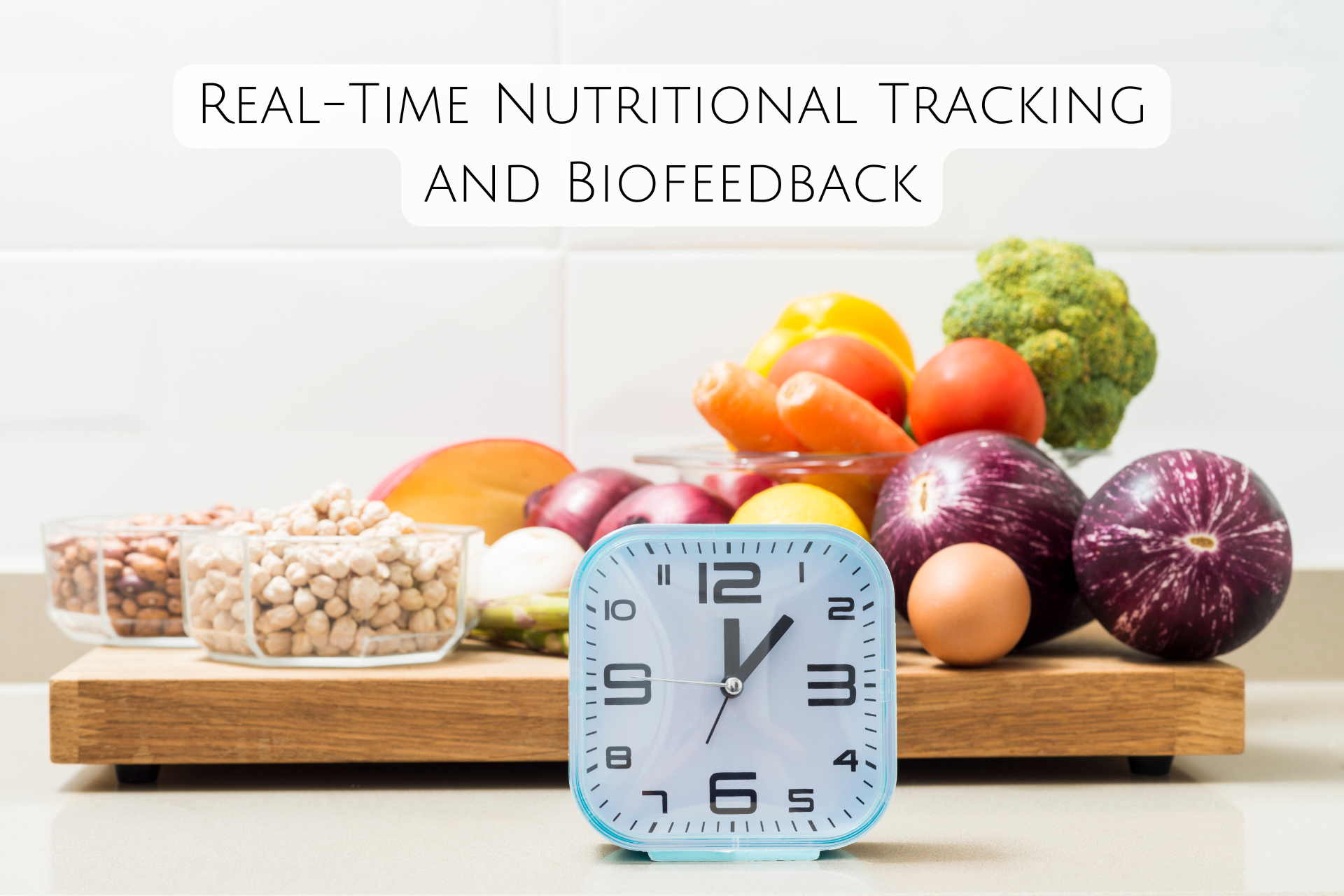
Through wearable devices, smartphone applications, and continuous biomarker monitoring enables AI systems to assess how your body actually responds to specific foods and dietary patterns, rather than relying on theoretical population data. Blood glucose monitoring, sleep tracking, activity patterns, food consumption logs, and periodic biomarker measurements feed into AI systems that identify individualized patterns—revealing perhaps that your energy crashes reliably three hours after consuming refined carbohydrates, that your sleep quality depends more on micronutrient status than traditional sleep hygiene factors, or that specific foods trigger inflammatory responses unique to your microbiome composition.
-
Predictive Health Modeling:
This represents AI nutrition's most powerful application—utilizing historical personal data, genetic information, and microbiome composition to predict future health trajectories, identifying intervention opportunities before disease manifestation. If AI analysis determines your genetic predispositions, microbiome composition, and current nutritional intake trajectory predict developing metabolic syndrome within eighteen months without intervention, personalized recommendations addressing this specific risk become extraordinarily powerful.
The Indian Wellness Context: Why Personalization Matters Uniquely:
- India’s wellness landscape is uniquely complex, making personalized AI‑nutrition essential rather than optional.
- Indian genetic diversity is profound, with distinct ancestral groups showing different nutrient metabolism patterns, disease risks, and ideal macronutrient ratios.
- Environmental factors—air quality, water mineral content, pathogen and parasite exposure—differ widely across India, demanding locally tuned nutrition strategies rather than imported Western templates.
- Access to personalized healthcare and nutrition in India is limited: there are shortages in preventive care, qualified nutrition counseling, and optimization‑focused medical support.
- Most Indians do not have routine access to micronutrient tests, genetic analysis, or microbiome profiling, forcing them to rely on generic advice and mass‑market supplement plans.
- AI‑driven nutrition platforms can democratize access to personalization that was previously available only to wealthy individuals in developed countries.
- By modeling individual risk, diet, and lifestyle, they can provide tailored food, lifestyle, and supplement recommendations at scale, without waiting for the entire healthcare system to modernize.
- Urban Indians increasingly track steps, workouts, heart rate, and sleep, showing strong readiness for more advanced personalized health tools.
- AI‑nutrition systems turn raw data (activity, symptoms, labs when available) into clear, individualized guidance that users can actually implement.
Microbiome Testing and Analysis: Making the Complex Accessible: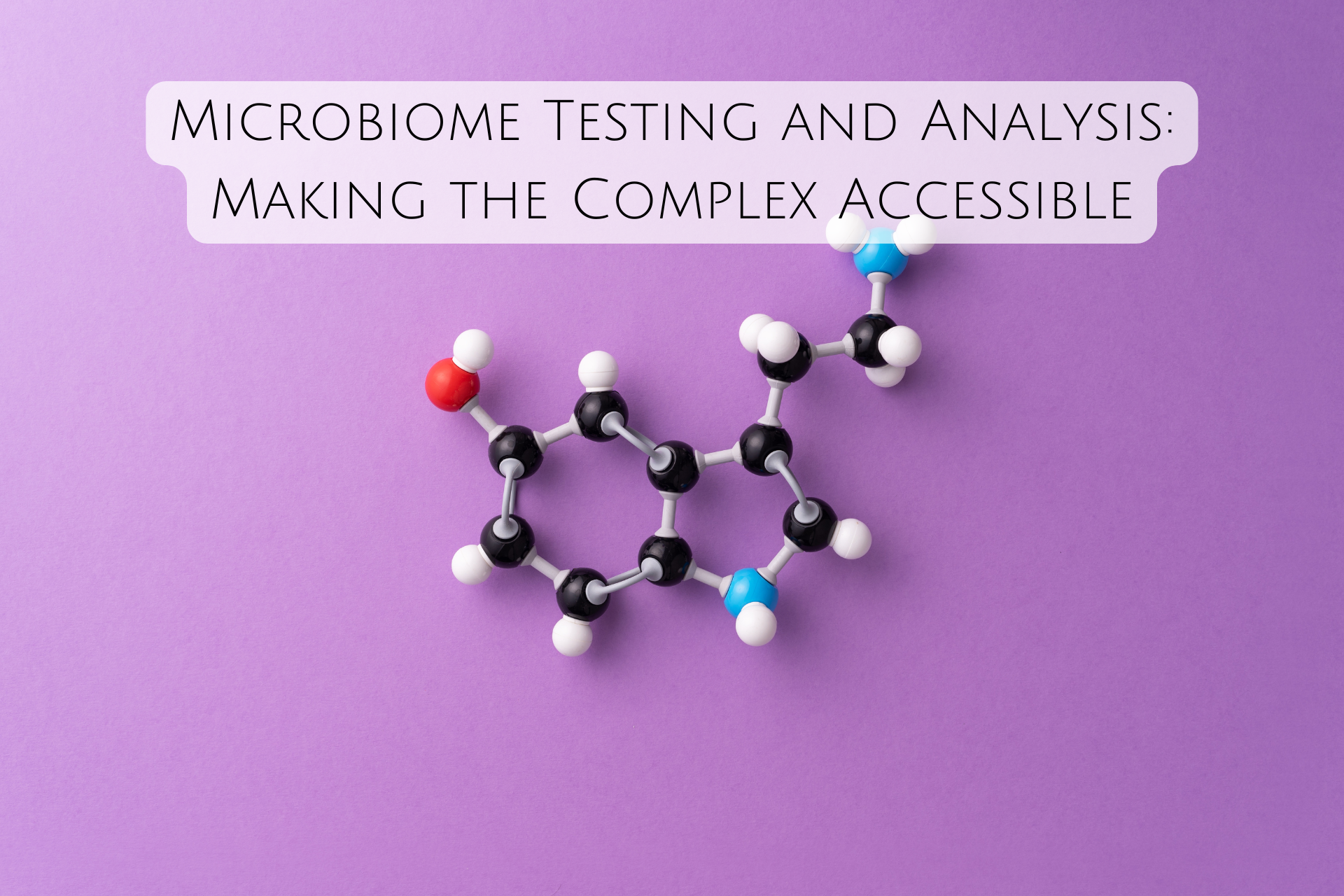
The power of combining microbiome testing with nutritional guidance proves extraordinary. Rather than generic recommendations to "eat more fiber" or "consume fermented foods," personalized guidance becomes: "Your microbiome shows deficiency in species metabolizing complex carbohydrates; consuming 30-40g daily of partially hydrolyzed guar gum specifically selects for these deficient organisms while avoiding fermented foods that might overgrow potentially problematic Candida species given your previous antibiotic history." This specificity transforms nutrition from trial-and-error experimentation into precision science addressing identified ecosystem imbalances.
Indian populations increasingly accessing microbiome testing discover fascinating patterns reflecting traditional dietary wisdom. Many individuals consuming traditional Indian foods demonstrate superior microbiome diversity compared to those consuming westernized diets—validating ancestral dietary approaches through modern scientific analysis. However, testing simultaneously reveals that traditional foods optimally supporting one person's microbiome may create ecosystem dysbiosis for another depending on existing microbial composition and genetic predispositions. Personalization proves essential even within culturally consistent dietary traditions.
Kiwla's Health & Wellness Ecosystem: Comprehensive Nutritional Support:
Kiwla's Health & Wellness collections strategically position the platform as a comprehensive resource for individuals pursuing personalized nutritional optimization. Understanding that AI-nutrition recommendations require access to quality supplements, targeted nutrients, and specialized formulations, Kiwla curates extensive vitamin, mineral, and supplement selections enabling implementation of personalized protocols generated through AI-nutrition analysis or professional guidance. The Vitamins & Supplements category encompasses diverse formulations: targeted nutrient supplementation addressing specific deficiencies, microbiome-supporting probiotics and prebiotics scientifically formulated for gut health optimization, and herbal supplements reflecting traditional wellness approaches validated through modern research.
Beyond supplements, Kiwla's Ayurveda & Herbs collections support personalized approaches through traditional wisdom components increasingly validated through modern microbiome science. Specific herbs traditionally consumed for digestive optimization demonstrate measurable microbiome benefits through contemporary research; traditional approaches to seasonal eating align remarkably well with personalized nutrition principles emphasizing dietary adaptation to individual circumstances. By providing access to both modern supplemental formats and traditional herbal preparations, Kiwla enables implementation of comprehensive personalized protocols combining contemporary science with ancestral wellness wisdom.
Conclusion: Personalization as the Future of Wellness
The era of one-size-fits-all nutritional guidance is ending. Scientific understanding of microbiome diversity, genetic variation, and individual metabolic distinctiveness proves too advanced to ignore these realities through standardized recommendations. Simultaneously, technological capabilities enabling personalized analysis and tailored guidance have become accessible and affordable to mainstream populations. India stands positioned to lead this wellness transformation—possessing both technological innovation capacity and population diversity making personalized approaches particularly valuable.
The intersection of AI-nutrition and microbiome tracking represents not merely incremental health improvement but fundamental transformation in how individuals approach wellness. Rather than generic dietary guidelines and standardized supplements, personalized protocols addressing individual genetic predispositions, microbiome composition, lifestyle patterns, and health objectives enable optimization impossible through traditional approaches. This personalization proves particularly powerful in the Indian context where dietary diversity, environmental variation, and healthcare accessibility constraints make standardized approaches particularly inadequate.
Recent Posts
-

J-Beauty vs. K-Beauty: Why Japan's 'Mochi Skin' & Minimalist Science Might Be India's Next Obsession
Introduction: While Korean beauty (K-Beauty) has dominated global beauty consciousness for the past
-

Microbiome Beauty: Why Your Skin Needs Probiotics and Prebiotics Too
Introduction: The microbiome of the skin plays a crucial role in maintaining its health and appearan
-

Modern Beauty Minimalism: How Ghost Lashes and Bare-Glam Are Changing Beauty Standards
Introduction: Beauty trends have always been cyclical, but the latest sensation sweeping through Ind