
Why Hormonal Balance Is the Missing Piece in Women’s Wellness
Introduction:
Hormones are the body's biochemical messengers that orchestrate nearly every aspect of a woman’s health, from menstrual cycles and fertility to mood regulation, metabolism, sleep, bone density, and even skin health. Despite their vital role, hormonal balance is often overlooked in mainstream wellness conversations, leading many women to struggle with symptoms like mood swings, unexplained weight changes, fatigue, and hormonal disorders that undermine quality of life. Recognizing hormonal balance as a foundational pillar empowers women to address root causes and reclaim vibrant, sustainable wellness at every life stage. This blog explores why hormonal balance matters, how imbalances show up in everyday life, and what women can do to reclaim harmony.
Understanding Hormonal Balance: The Foundation of Women’s Health:
Hormonal balance refers to the optimal levels and interactions between various hormones that regulate an array of physiological processes in a woman’s body. These hormones include estrogen, progesterone, testosterone, thyroid hormones, cortisol, insulin, and others that collectively influence reproductive health, metabolism, mood, energy levels, sleep, bone density, and skin integrity.
Hormones act as chemical messengers orchestrating vital functions, including the menstrual cycle, ovulation, pregnancy, and menopause transition. Beyond reproduction, they regulate metabolism by controlling blood sugar, fat storage, and muscle building. They also influence brain chemistry, impacting mood, cognition, stress responses, and emotional well-being.
Maintaining hormonal balance is a dynamic process influenced by nutrition, lifestyle, stress, sleep quality, environment, and genetics. Disturbances can occur due to aging (e.g., perimenopause), stress overload, dietary insufficiencies, endocrine disruptors, or medical conditions. Balanced hormones support resilience through these challenges, fostering vitality and long-term wellness.
Hormones: The Female Wellness Superheroes:
-
Estrogens:
Beyond reproductive roles such as ovulation and pregnancy, estrogen modulates cardiovascular health, bone strength, skin elasticity, and brain function. Its fluctuations underpin common life stages, including menstruation, pregnancy, and menopause.
-
Progesterone:
Critical for menstrual health and pregnancy maintenance, progesterone also supports sleep quality and counters estrogen’s proliferative effects, maintaining balance.
-
Testosterone:
Though present in smaller amounts in women, testosterone influences muscle mass, mood, and libido.
-
Thyroid hormones:
Regulate basal metabolic rate, energy levels, weight management, and cognitive sharpness.
The Impact of Hormonal Imbalance on Women’s Health and Well-being: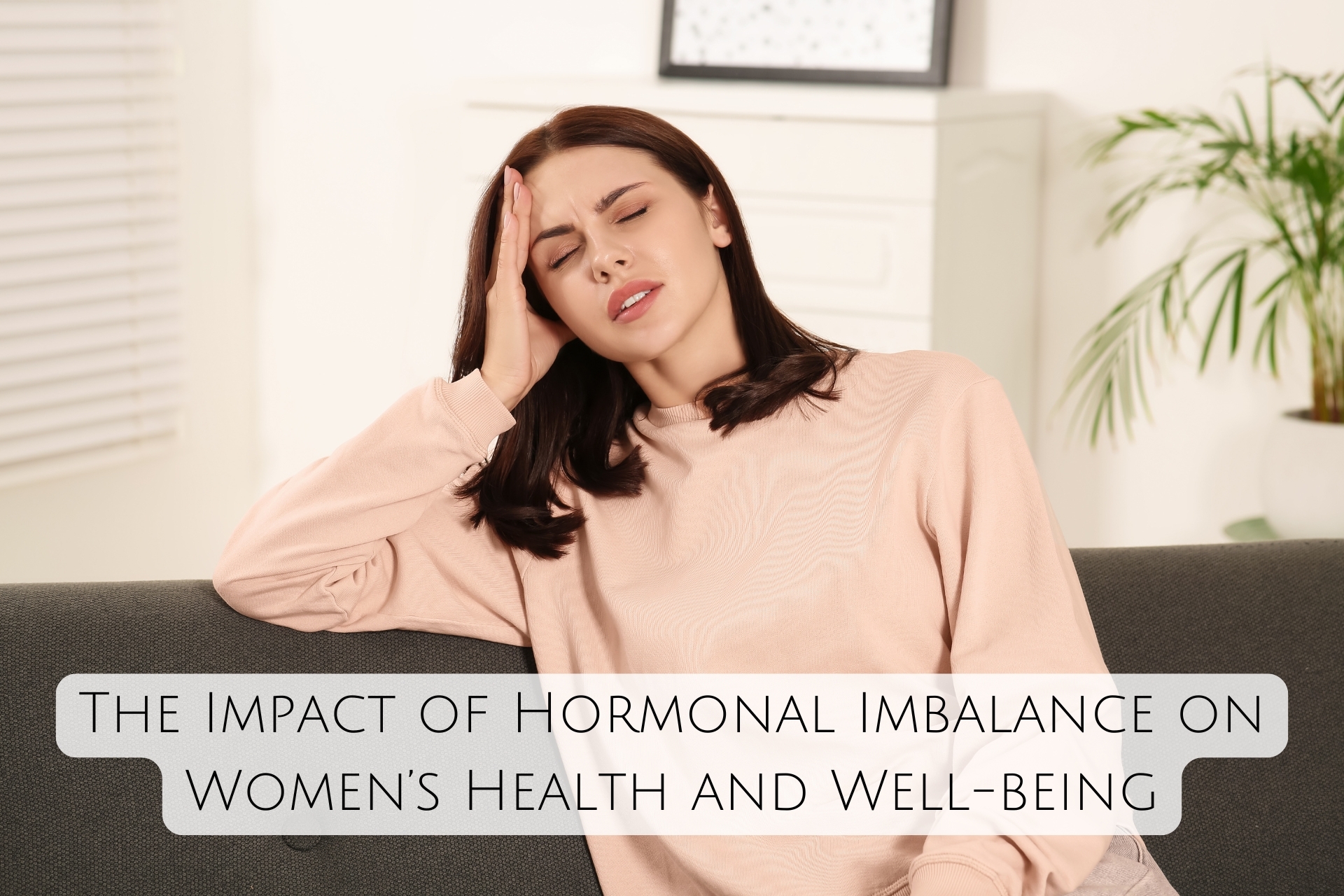
Hormonal imbalance significantly disrupts both physical and mental well-being in women. When hormones fall outside their optimal range—due to excess or deficiency—it can cause a wide spectrum of health issues.
Physical impacts include:
- Menstrual irregularities: Heavy, painful, or missed periods are common signs of estrogen-progesterone imbalance, often seen in PCOS, thyroid disorders, or perimenopause.
- Weight fluctuations: Insulin resistance, cortisol overproduction, and thyroid dysfunction can cause unexplained weight gain or loss.
- Fatigue and sleep distress: Imbalances in progesterone (which promotes sleep) and cortisol (stress hormone) disrupt circadian rhythms, causing insomnia or unrefreshing sleep.
- Bone Density Loss: Estrogen deficiency increases risk of osteoporosis, fractures, and joint pain.
- Skin Problems: Hormonal swings trigger acne flare-ups, dullness, premature aging, or dryness.
Mental health impacts are profound:
- Mood swings, anxiety, depression: Fluctuating estrogen and progesterone levels disrupt serotonin and dopamine pathways, decreasing mood stability.
- Cognitive fog and memory loss: Particularly during menopause, hormonal shifts affect neurotransmitter production and brain function.
- Stress vulnerability: Elevated cortisol weakens resilience and worsens hormonal disruption in a feedback loop.
Chronic hormonal imbalance can also increase risk for cardiovascular disease, diabetes, and certain cancers, highlighting its systemic significance.
Identifying Common Symptoms of Hormonal Imbalance in Women:
Recognizing hormonal imbalance early is key to restoring health and preventing complications. Common symptoms that may indicate imbalance include:
- Irregular menstrual cycles, heavy bleeding, or amenorrhea.
- Persistent fatigue despite adequate rest.
- Unexplained weight gain, especially around the abdomen, or difficulty losing weight.
- Sleep disturbances, including insomnia and frequent waking.
- Mood instability, irritability, anxiety, or depression.
- Hot flashes, night sweats, and flushing (especially during perimenopause).
- Hair thinning or excessive hair loss.
- Vaginal dryness, low libido, or urinary symptoms.
- Skin changes such as acne, dryness, or premature aging.
- Digestive issues related to thyroid dysfunction or cortisol imbalance.
Symptoms often overlap with other health issues, so a comprehensive evaluation is recommended for accurate diagnosis and treatment.
Signs of Hormonal Imbalance Most Women Don’t Recognize:
Some subtle or overlooked signs of hormonal imbalance include:
- Brain fog and difficulty concentrating: Often attributed to stress or fatigue but linked to fluctuating estrogen, thyroid hormones, or cortisol.
- Sugar cravings and food sensitivity: Dysregulated insulin and cortisol can manifest as intense cravings or digestive upset.
- Dry eyes or vision changes: Can be a sign of estrogen deficiency, reducing tear production.
- Chronic headaches or migraines: Hormonal shifts influence vascular tone and brain chemistry, causing recurrent headaches.
- Pelvic or musculoskeletal pain: Hormonal influences on connective tissue and inflammation can cause chronic aches.
- Metallic taste or changes in taste/smell: These symptoms may indicate hormonal shifts affecting consciousness and appetite.
- Unexplained changes in body odor: Hormonal imbalances can alter sweat gland function and microbiome balance.
- Increased sensitivity to environmental toxins (e.g., perfumes): Often associated with estrogen dominance or adrenal fatigue.
These signs often escape general awareness and may be dismissed, prolonging discomfort and delaying treatment. Proper hormonal evaluation can clarify these symptoms and open pathways to healing.
The Modern Lifestyle Problem: Why Imbalances Are Increasing:
The rise in hormonal imbalances among women globally is strongly linked to the pervasive influences of modern lifestyle and environmental factors. Key drivers of this increase include:
-
Chronic Stress:
Persistent psychosocial stress elevates cortisol levels, disrupting the hypothalamic-pituitary-adrenal (HPA) axis, which in turn affects the reproductive and thyroid hormonal axes. This imbalance manifests as irregular cycles, PMS, mood disorders, and metabolic disturbances.
-
Poor Nutrition:
Widespread consumption of ultra-processed foods, high sugar intake, and low micronutrient diets deprive the endocrine system of essential cofactors required for hormone synthesis and metabolism. Deficiencies in vitamins D, B complex, magnesium, zinc, and healthy fats negatively affect hormone levels and receptor sensitivity.
-
Endocrine Disrupting Chemicals (EDCs):
Ubiquitous in plastics, pesticides, personal care products, and industrial pollutants, EDCs mimic or block natural hormones, jarring the hormonal system and increasing risks for reproductive disorders, thyroid dysfunction, and metabolic syndrome.
-
Sedentary Lifestyles:
Reduced physical activity worsens insulin resistance, fat accumulation, and inflammation—the silent drivers of hormone imbalance, particularly in estrogen metabolism and cortisol regulation.
-
Sleep Deprivation:
Poor quality or insufficient sleep disrupts circadian rhythms and melatonin release, impairing the regulatory feedback loop of reproductive and adrenal hormones.
-
Gut Dysbiosis:
Emerging science links gut microbiome imbalances to hormone metabolism disruption, particularly estrogen recycling, highlighting digestive health as part of the hormonal equation.
How Women Can Restore Hormonal Balance Naturally:
Nature offers a powerful toolkit to support endocrine harmony safely and sustainably.
Key natural strategies include:
-
Nutrient-Dense, Anti-Inflammatory Diet:
Emphasize rich sources of omega-3 fatty acids (salmon, flaxseed), complex carbohydrates (whole grains, legumes), phytoestrogen-rich plants (soy, flax), cruciferous vegetables (broccoli, kale) for estrogen metabolism, and abundant fresh fruits and vegetables. Avoid processed sugars and trans fats which exacerbate inflammation and insulin resistance.
-
Mind-Body Stress Regulation:
Incorporate meditation, yoga, breathing exercises, and journaling to lower cortisol, enhance vagal tone, and restore adrenal function. These tools also improve sleep and emotional resiliency.
-
Regular Physical Activity:
Exercise (both resistance and aerobic) improves insulin sensitivity, optimizes fat metabolism, supports weight management, and enhances mood-enhancing neurotransmitters like serotonin and dopamine, indirectly stabilizing hormonal networks.
-
Sleep Hygiene:
Prioritize 7-9 hours of restorative sleep, maintain consistent sleep-wake cycles, reduce blue light exposure, and create calming bedtime rituals to support melatonin and cortisol rhythms.
-
Detoxification of Endocrine Disruptors:
Choose organic foods when possible, avoid plastic food containers, use natural personal care products, and minimize exposure to pesticides and industrial chemicals.
-
Gut Health Support:
Consume prebiotics and probiotics through fermented foods (yogurt, kimchi, miso) and supplements to restore microbiome balance, which is crucial for estrogen metabolism and systemic hormonal signaling.
Kiwla’s Women’s Hormonal Balance Collection:
Kiwla fills the hormonal balance gap with targeted women's wellness supplements featuring myo-inositol, D-chiro inositol, vitex (chasteberry), ashwagandha, DIM, evening primrose oil, maca root, and thyroid support formulas that regulate estrogen/progesterone metabolism, ease PMS/menopause symptoms, stabilize cortisol/insulin, and restore cycle regularity. From fertility probiotics and multi-inositol blends for PCOS/ovulation to adaptogen-powered capsules addressing fatigue, mood swings, cravings, and metabolic shifts, Kiwla’s range complements anti-inflammatory diets, stress practices, and sleep hygiene—delivering natural endocrine harmony for vitality across menstrual, perimenopausal, and menopausal stages. Easily shopped online in India, these science-backed essentials empower women to address root imbalances proactively alongside lifestyle tweaks.
The Relationship Between Hormonal Balance and Lifestyle Factors:
Hormonal health is intrinsically linked to lifestyle, reflecting the interconnectedness of biological systems and daily behaviors:
-
Nutrition:
Macronutrient balance, micronutrient sufficiency, and dietary timing directly impact insulin sensitivity, estrogen metabolism, and cortisol balance, thereby influencing reproductive and metabolic hormones.
-
Physical Activity:
Muscle contraction during exercise stimulates glucose uptake independent of insulin, improves insulin receptor sensitivity, reduces visceral fat (which produces inflammatory adipokines that disrupt hormones), and supports endorphin and serotonin release that regulate mood and hypothalamic function.
-
Stress and Sleep:
The HPA axis governs cortisol secretion; chronic stress dysregulates this axis, leading to elevated cortisol and subsequent suppression of gonadotropins necessary for estrogen and progesterone production. Sleep loss amplifies this disruption, further compromising hormone regulation.
Conclusion:
Understanding hormonal balance as a cornerstone of women’s wellness is crucial for empowering informed health decisions. By acknowledging the significant impact of hormones on physical and emotional well-being, women can better address underlying issues rather than merely treating symptoms. Integrating hormone-focused strategies with healthy lifestyle practices enhances resilience, vitality, and overall quality of life. Healthcare providers must also prioritize hormonal health in preventive care and patient education. Ultimately, elevating awareness of hormonal balance fosters proactive management, enabling women to take control of their wellness journey and unlock their full potential for lifelong health.
Recent Posts
-

The C-Beauty Revolution: How Chinese Skincare & Douyin Makeup Are Taking Over the World
Introduction: Welcome to the revolution sweeping the global beauty landscape—the rise of C-Beauty, a
-

The Functional Food Revolution: How Nutraceutical Snacks Are Changing the Future of Health
Introduction: The global snacking landscape is undergoing a profound transformation. Gone are the da
-

The New Generation of Indian Skincare: Bridging Ayurveda and Dermatological Science
Introduction: For millennia, Indian royalty relied on Kumkumadi Taila—the legendary saffron-infused
