
The Science Behind Plant-Based Meat: How Technology is Changing Our Food
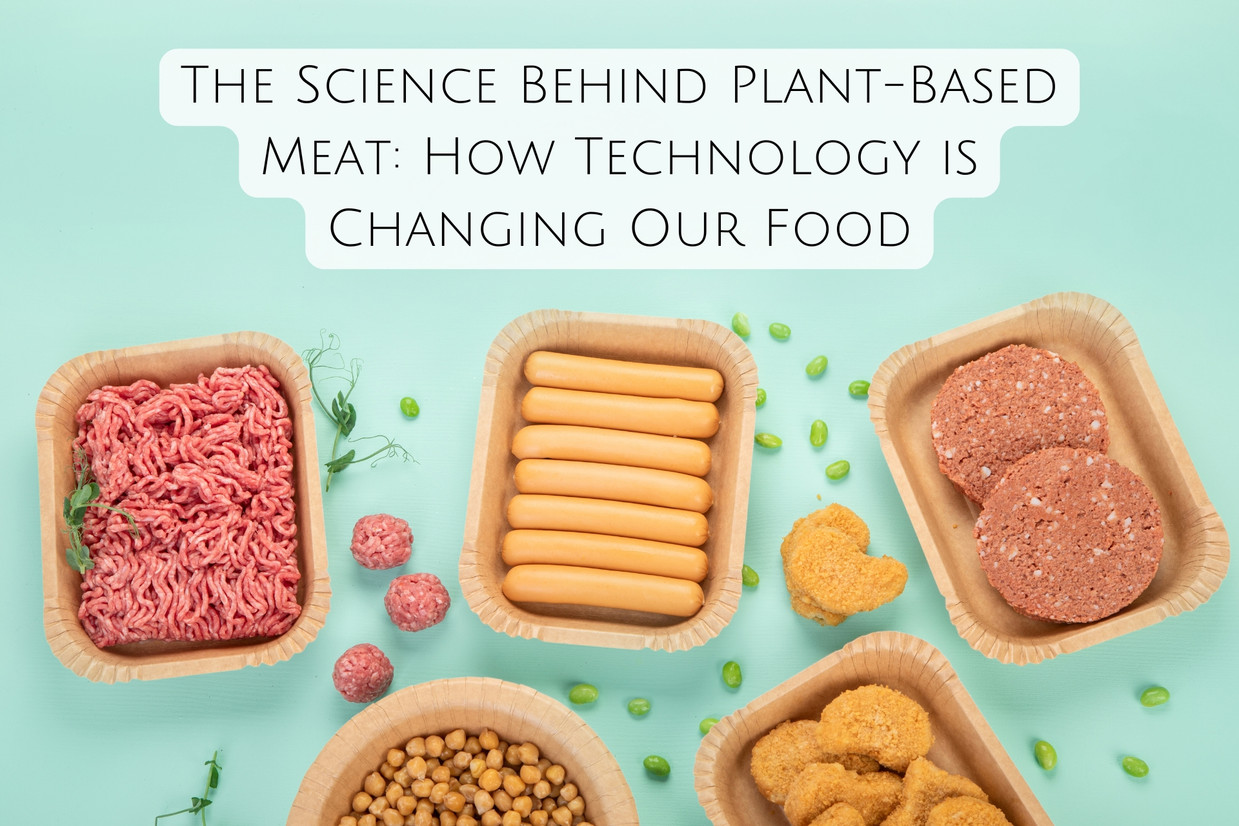
In recent years, the food industry has witnessed a seismic shift with the rise of plant-based meat alternatives. Once a niche market catering primarily to vegetarians and vegans, these products have rapidly gained popularity among the general population, thanks in large part to advances in food technology and a growing awareness of health, environmental, and ethical issues surrounding traditional meat consumption. This blog will explore the science behind plant-based meat, the technology that makes it possible, its benefits and challenges, and its potential impact on the future of our food systems.
Understanding Plant-Based Meat: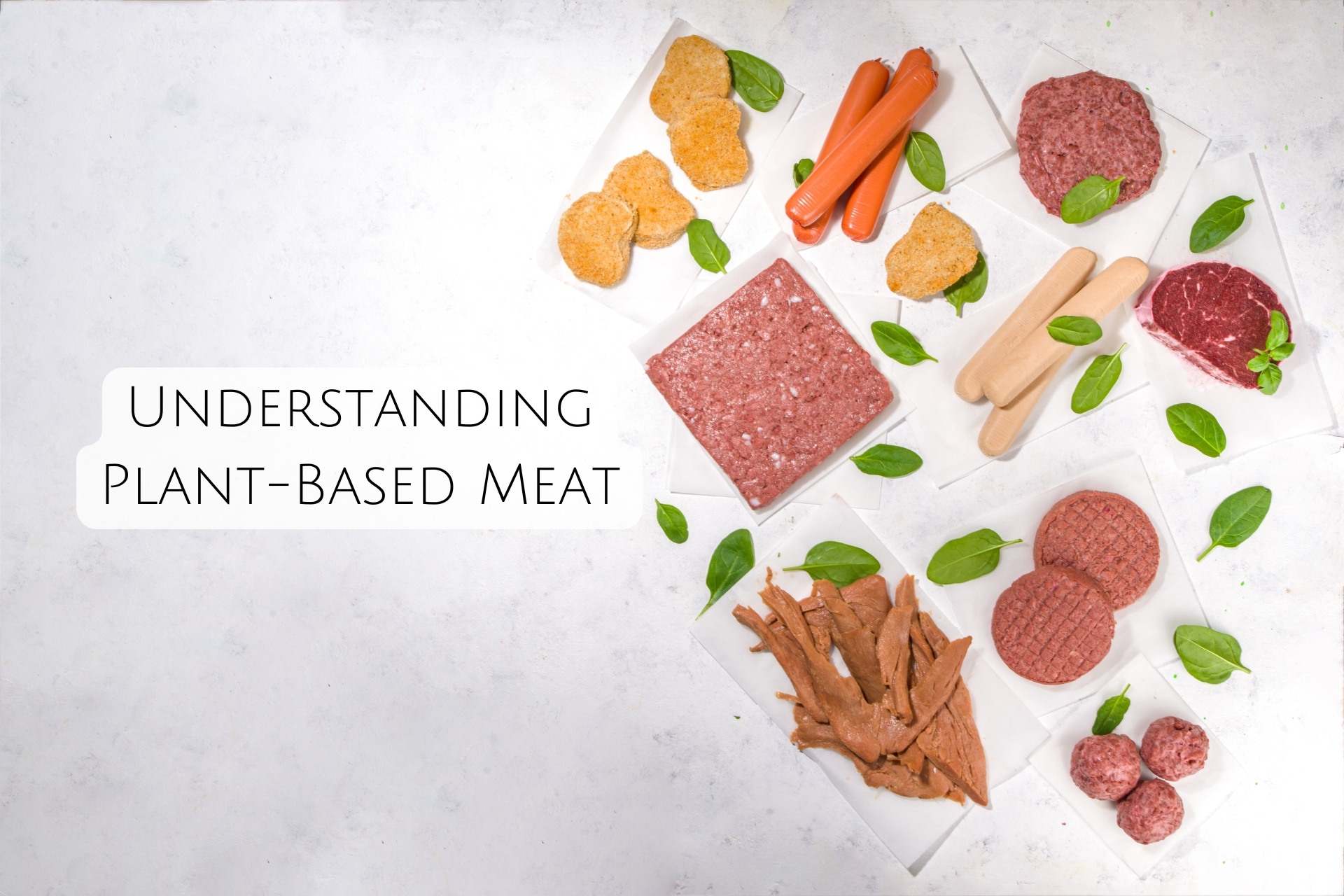
What is Plant-Based Meat?
Plant-based meat refers to products designed to mimic the taste, texture, and nutritional profile of animal meat while being made entirely from plant ingredients. These products can be made from a variety of sources, including soy, pea protein, lentils, mushrooms, and other vegetables. The goal is to create a meat-like experience without the environmental and ethical implications of animal farming.
Types of Plant-Based Meat
- Processed Meat Alternatives: These include products like veggie burgers, sausage links, and nuggets. They are often made from textured vegetable protein (TVP) and other plant ingredients that are highly processed to achieve a meat-like texture.
- Cultured Meat: Also known as lab-grown meat, this type involves culturing animal cells in a lab environment to grow muscle tissue that resembles traditional meat. While not technically plant-based, it is often grouped with plant alternatives because it addresses similar concerns regarding animal welfare and environmental impact.
- Whole Food Meat Alternatives: These are unprocessed plant foods that can replace meat in meals, such as beans, lentils, and mushrooms. They provide a hearty texture and are high in protein and other nutrients.
The Technology Behind Plant-Based Meat: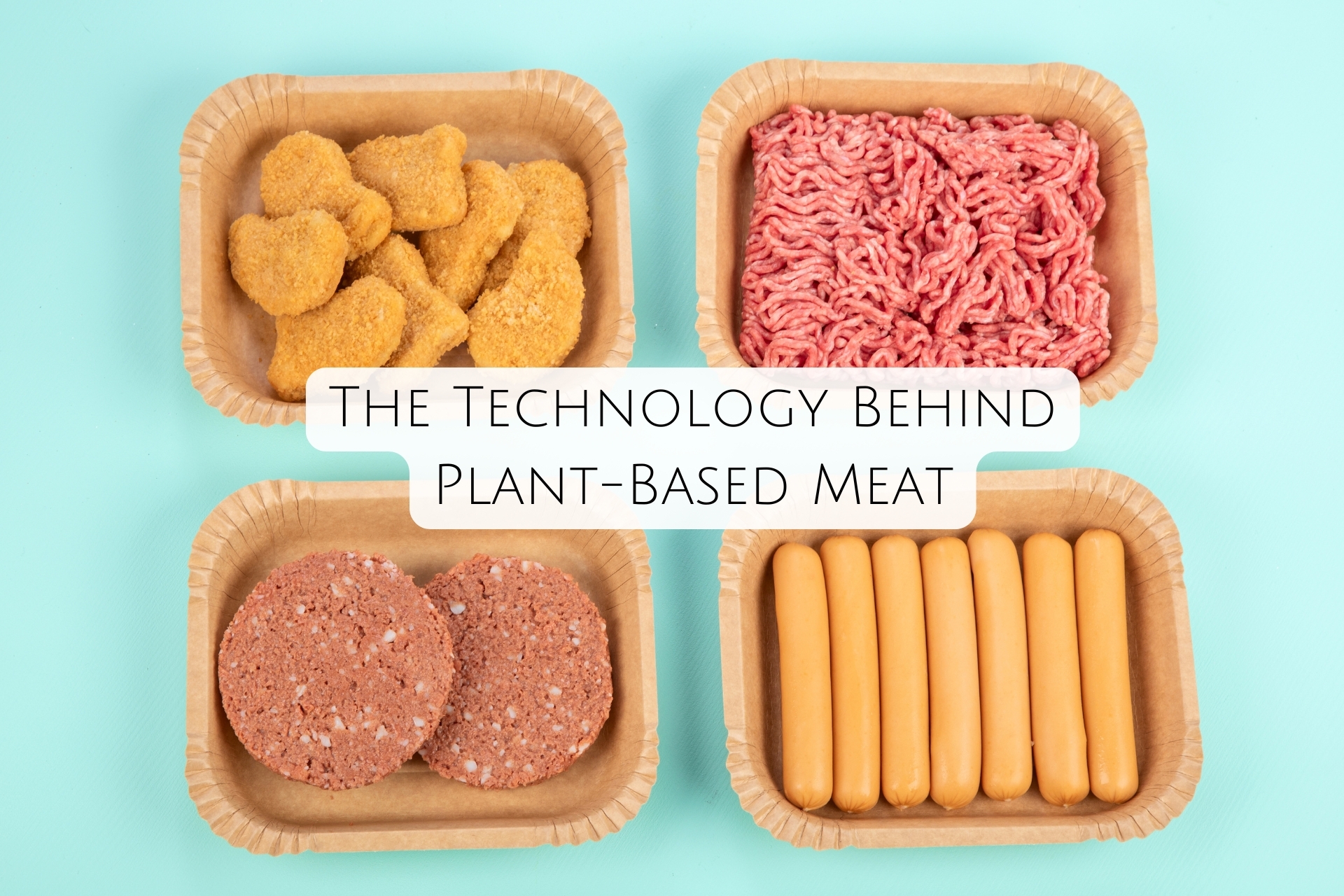
Ingredient Innovation
The creation of plant-based meat involves a deep understanding of food science, including the properties of various ingredients. Key innovations in ingredients have allowed manufacturers to replicate the taste and texture of meat effectively:
- Protein Sources: The primary ingredient in most plant-based meats is protein. Common sources include pea protein, soy protein, and wheat gluten. Each of these has unique properties that contribute to the overall texture and mouthfeel of the final product.
- Flavoring Agents: To achieve a meaty flavor, manufacturers often use natural flavorings, yeast extracts, and spices. These flavor compounds are crucial in creating a satisfying sensory experience.
- Fats: The mouthfeel and juiciness associated with meat are often mimicked using plant-based fats, such as coconut oil or canola oil. These fats help to provide a rich, satisfying texture.
- Binders and Stabilizers: Ingredients like methylcellulose or potato starch are used to bind the components together and improve the overall texture, allowing plant-based meats to hold their shape during cooking.
Processing Techniques:
To transform these raw ingredients into products that closely resemble meat, several advanced processing techniques are employed:
- Extrusion Cooking: This technique involves forcing the mixture of proteins and other ingredients through a die under high pressure and temperature. The result is a fibrous texture that mimics the muscle structure of meat.
- Fermentation: Some companies use fermentation to enhance flavor and improve the nutritional profile of their products. Fermentation can also help break down proteins into more digestible forms, making them easier for the body to absorb.
- Emulsification: This process helps to blend the fat and water components of plant-based meat, creating a stable mixture that mimics the juiciness of animal meat.
The Benefits of Plant-Based Meat: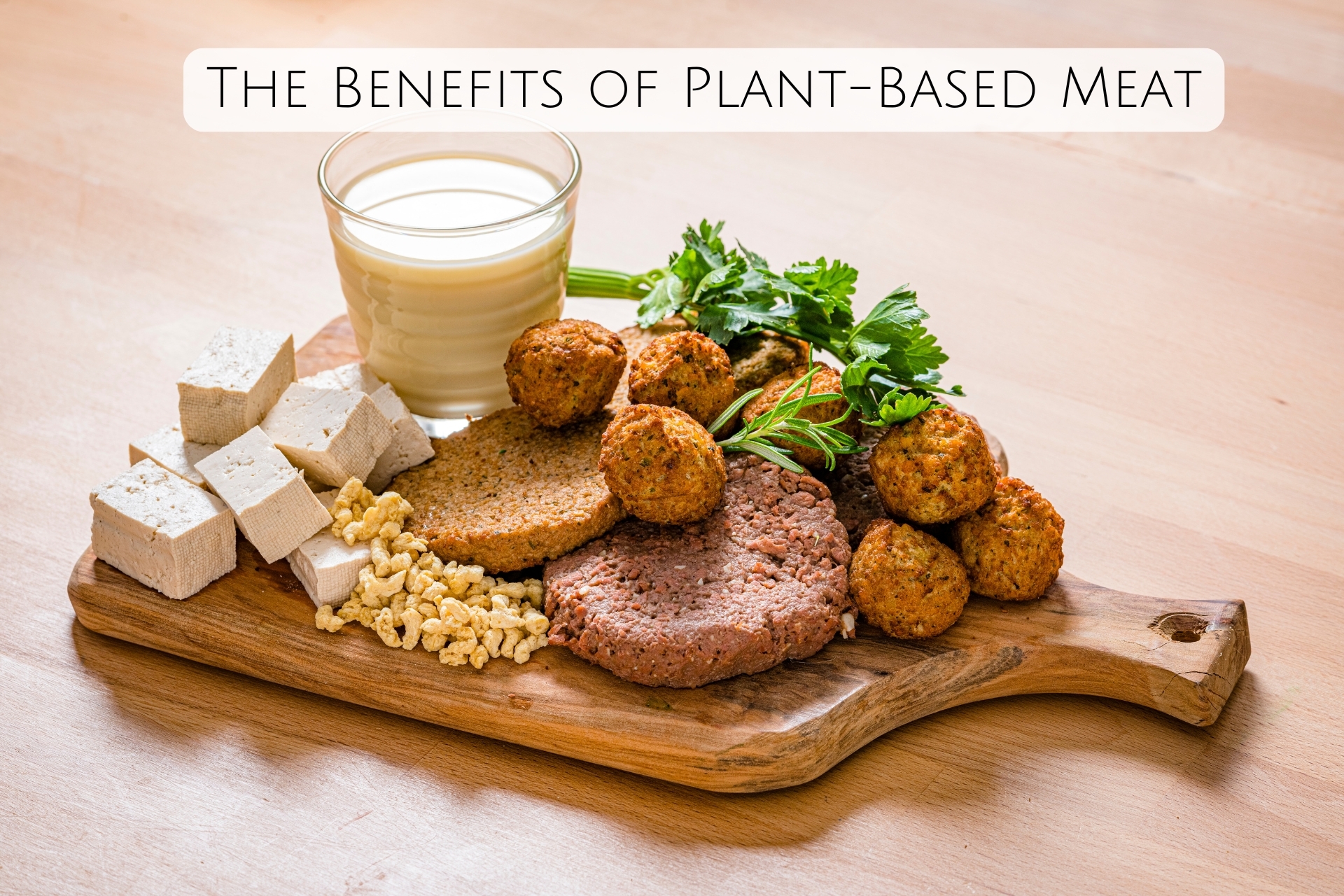
Health Benefits:
- Lower Saturated Fat: Plant-based meats often contain lower levels of saturated fat compared to traditional meat, making them a heart-healthier option.
- High in Fiber: Many plant-based meats contain fiber, which is beneficial for digestive health and can help reduce the risk of chronic diseases.
- Nutrient-Rich: These products are often fortified with vitamins and minerals, providing nutrients like B12, iron, and omega-3 fatty acids that are typically found in animal products.
Environmental Impact
- Reduced Greenhouse Gas Emissions: The production of plant-based meat generates significantly lower greenhouse gas emissions compared to conventional meat production, which is a major contributor to climate change.
- Lower Water Usage: Plant-based meat requires substantially less water to produce than beef or pork, making it a more sustainable choice in regions where water scarcity is a concern.
- Land Conservation: Transitioning to plant-based meat can reduce the need for extensive land used for grazing and feed production, allowing more land to be restored to its natural state.
Ethical Considerations:
- Animal Welfare: By choosing plant-based meat, consumers can reduce their reliance on factory farming practices, which often involve inhumane treatment of animals.
- Food Security: Plant-based meat production can be more efficient than traditional livestock farming, potentially helping to address global food security issues by providing more protein options without the environmental footprint of animal agriculture.
Challenges Facing Plant-Based Meat:
Nutritional Concerns:
While many plant-based meats are designed to replicate the nutritional profile of animal products, some critics argue that heavily processed alternatives may lack essential nutrients found in whole foods. It is essential for consumers to read labels and understand the nutritional value of these products.
Taste and Texture:
Although technology has advanced significantly, some consumers still find it challenging to embrace the taste and texture of plant-based meats. Manufacturers continuously work to refine their recipes to better mimic traditional meat, but achieving perfect replication remains a goal rather than a reality.
Market Competition:
The plant-based meat industry faces competition from traditional meat producers, who are also innovating and introducing their own alternatives. Additionally, there is a growing trend in cultured meat, which, while still in its infancy, could disrupt the plant-based market.
The Future of Plant-Based Meat:
Technological Advancements:
As research and development in food technology continue, we can expect further innovations in plant-based meat products. Advances in biotechnology, such as genetic engineering and fermentation techniques, could lead to even more sustainable and nutritious options.
Market Growth:
The demand for plant-based meats shows no signs of slowing down, with market research predicting substantial growth in the coming years. As more consumers seek healthier and more sustainable food choices, plant-based meat is poised to become a staple in diets worldwide.
Consumer Education:
Educating consumers about the benefits of plant-based meat is crucial for fostering acceptance and encouraging a shift in dietary habits. Companies and organizations need to invest in marketing strategies that emphasize the health, environmental, and ethical advantages of these products.
Conclusion:
The science behind plant-based meat reflects a significant shift in our food system, driven by technological advancements and a growing awareness of health, environmental, and ethical issues. As we continue to innovate and improve these products, the future of plant-based meat looks promising, offering a sustainable and healthier alternative to traditional meat. Embracing plant-based options can not only enhance individual health but also contribute to a more sustainable and compassionate food system for generations to come.
Recent Posts
-

The New Generation of Indian Skincare: Bridging Ayurveda and Dermatological Science
Introduction: For millennia, Indian royalty relied on Kumkumadi Taila—the legendary saffron-infused
-

Red Nails vs Pink Nails: Which Looks More Romantic for Valentine’s Day?
Introduction: Valentine's Day approaches, and with it comes the timeless question: red nails or pink
-

The Wellness Valentine: Valentine’s Day Gift Ideas for Health & Wellness Lovers
Introduction: Valentine's Day has evolved beyond traditional red roses and chocolate boxes. In today
