
Redefining Anti-Aging: Modern Strategies for Sustained Youth & Vitality
Introduction:
For decades, the beauty industry focused on concealing the visible signs of aging—wrinkles, fine lines, and age spots—through topical cosmetics and invasive procedures. But a revolutionary shift is underway. The emerging field of longevity science reveals that skin aging is not merely a surface-level cosmetic concern; it is a complex biological process driven by cellular mechanisms that can be modulated, delayed, and potentially reversed.
Welcome to the era of health-span beauty—an approach that prioritizes not just how long you live (lifespan), but how long you remain healthy, vibrant, and radiant (health-span). This paradigm recognizes that youthful skin is the external manifestation of internal cellular health. By targeting the root causes of aging at the molecular level, we can extend what scientists now call "skinspan": the period during which skin maintains optimal structure, function, and appearance.
At Kiwla, we believe that true beauty emerges from biological vitality. This comprehensive guide explores the cutting-edge science of skin longevity, from cellular senescence and autophagy to NAD+ optimization and senolytic therapies. Whether you're seeking to prevent premature aging or restore youthful resilience, these evidence-based strategies offer a roadmap to skin that doesn't just look younger—it actually functions like younger skin.
The Biology of Skin Aging—Understanding the Root Causes: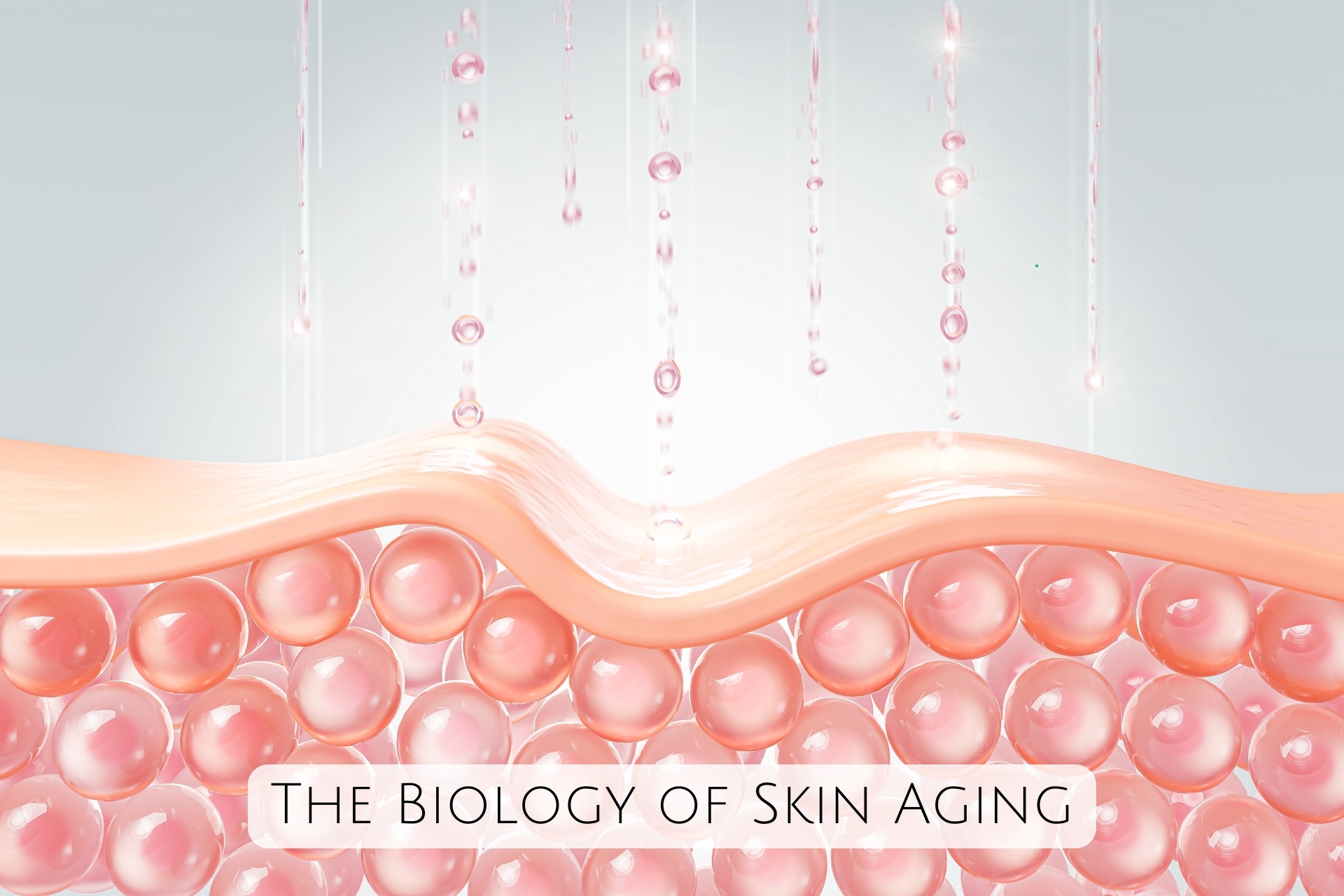
Before implementing anti-aging strategies, understanding why skin ages is essential. Skin aging results from multiple interconnected biological processes—addressing only surface manifestations without understanding root causes guarantees limited results.
Skin Layers and Functions:
-
Epidermis (Outermost Layer):
- Contains keratinocytes (structural cells)
- Produces melanin (pigmentation)
- Renews completely every 2-4 weeks.
- Contains stem cells enabling continuous renewal.
-
Dermis (Middle Layer):
- Contains collagen (structural protein providing firmness and elasticity)
- Contains elastin (elastic protein enabling recoil)
- Rich in fibroblasts (cells producing collagen and elastin)
- Contains blood vessels (nutrient and oxygen delivery)
-
Hypodermis (Deepest Layer):
- Adipose tissue (fat providing cushioning and insulation)
- Connective tissue anchoring skin to underlying structures.
- Contains larger blood vessels and nerves.
The Nine Hallmarks of Aging:
Longevity research identifies nine fundamental biological processes driving aging across all tissues, including skin:
-
Genomic Instability:
- DNA damage accumulates over time.
- Impaired DNA repair mechanisms.
- Results in cellular dysfunction.
- Manifests in skin as uneven pigmentation, irregular texture, reduced repair capacity.
-
Telomere Attrition:
- Telomeres are protective caps on chromosome ends.
- Shorten with each cell division.
- It acts as a "cellular aging clock".
- Manifests in skin as reduced cell turnover, texture changes.
-
Epigenetic Alterations:
- Chemical modifications on DNA affecting gene expression without changing DNA sequence.
- Accumulate with stress, poor diet, environmental damage.
- Manifests in skin as altered collagen production, reduced growth factor signaling.
-
Loss of Proteostasis:
- Failure of protein folding, modification, and clearance systems.
- Causes accumulation of misfolded proteins.
- Creates cellular stress and dysfunction.
- Manifests in skin as reduced elastin, impaired collagen quality.
-
Mitochondrial Dysfunction:
- Generate excessive oxidative stress.
- Manifests in skin as reduced energy for cellular repair, increased oxidative damage.
-
Cellular Senescence:
- Cells lose the ability to divide, enter permanent growth arrest.
- Accumulate with age.
- Manifests in skin as chronic inflammation, texture changes, reduced firmness.
-
Stem Cell Exhaustion:
- Stem cells (responsible for tissue renewal) decline in function and number.
- Reduced ability to replace damaged cells.
- Manifests in skin as slower healing, reduced cell turnover, texture changes.
-
Altered Intercellular Communication:
- Signaling between cells deteriorates.
- Growth factors and hormones function less effectively.
- Manifests in skin as reduced collagen production, impaired wound healing, increased infections.
-
Microbiome Dysbiosis:
- Beneficial bacteria decline; pathogenic bacteria increase.
- Reduced production of beneficial metabolites.
- Manifests in skin (via systemic inflammation) as impaired barrier, increased sensitivity, inflammation.
Understanding Health-Span VS. Life-Span:
Lifespan = Years of Life The total number of years you live. Average lifespan in developed countries: ~78-82 years.
Health-Span = Years of Healthy Life The number of those years lived in vitality, without chronic disease, with cognitive sharpness, physical capacity, and independence.
The Gap Problem: Most developed-world residents experience approximately 8-12 years of poor health-span at the end of life. These years involve:
- Multiple chronic diseases (diabetes, heart disease, cognitive decline)
- Limited mobility and independence
- Medication burden
- Healthcare dependency
- Quality of life compromise
How Health-Span Connects to Skin:
Your skin serves as a visible indicator of systemic health-span. When someone appears dramatically younger than their chronological age, it's not primarily genetics or skincare products—it's typically because their actual biological age is significantly younger than their chronological age.
Biological age (cellular and physiological age) can be measured through various biomarkers:
- Telomere length
- Epigenetic age (DNA methylation patterns)
- Physical fitness markers
- Cardiovascular health
- Metabolic health
- Immune function
- Inflammatory markers
- Cognitive performance
Nutritional Strategies for Skin Longevity:
Skin quality depends fundamentally on nutritional status. The phrase "you are what you eat" is literally true for skin—it's built from nutrients you consume.
Foundational Macronutrient Strategy:
-
Protein—The Structural Foundation:
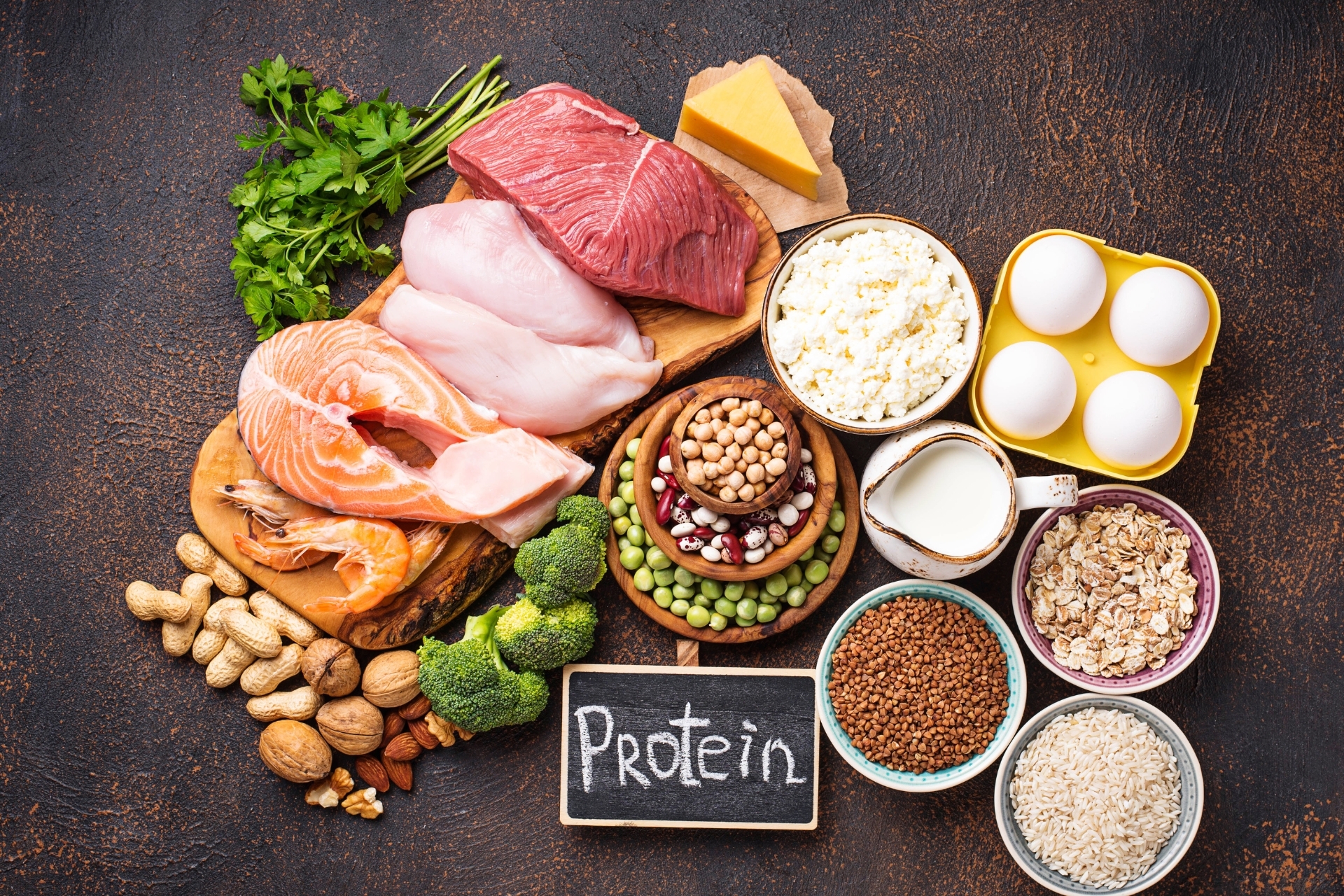
Collagen and elastin are proteins. Adequate protein intake provides building blocks for skin structure.
Protein for Skin:
- Collagen synthesis requires amino acids (particularly glycine, proline, hydroxyproline)
- Elastin synthesis requires amino acids.
- Optimal intake: 0.8-1.2g per pound body weight daily.
- Distribute across meals (maximizes muscle and tissue protein synthesis)
- Include complete proteins (all 9 essential amino acids): meat, fish, eggs, dairy, legumes combined with grains.
-
Healthy Fats—Barrier and Signaling:
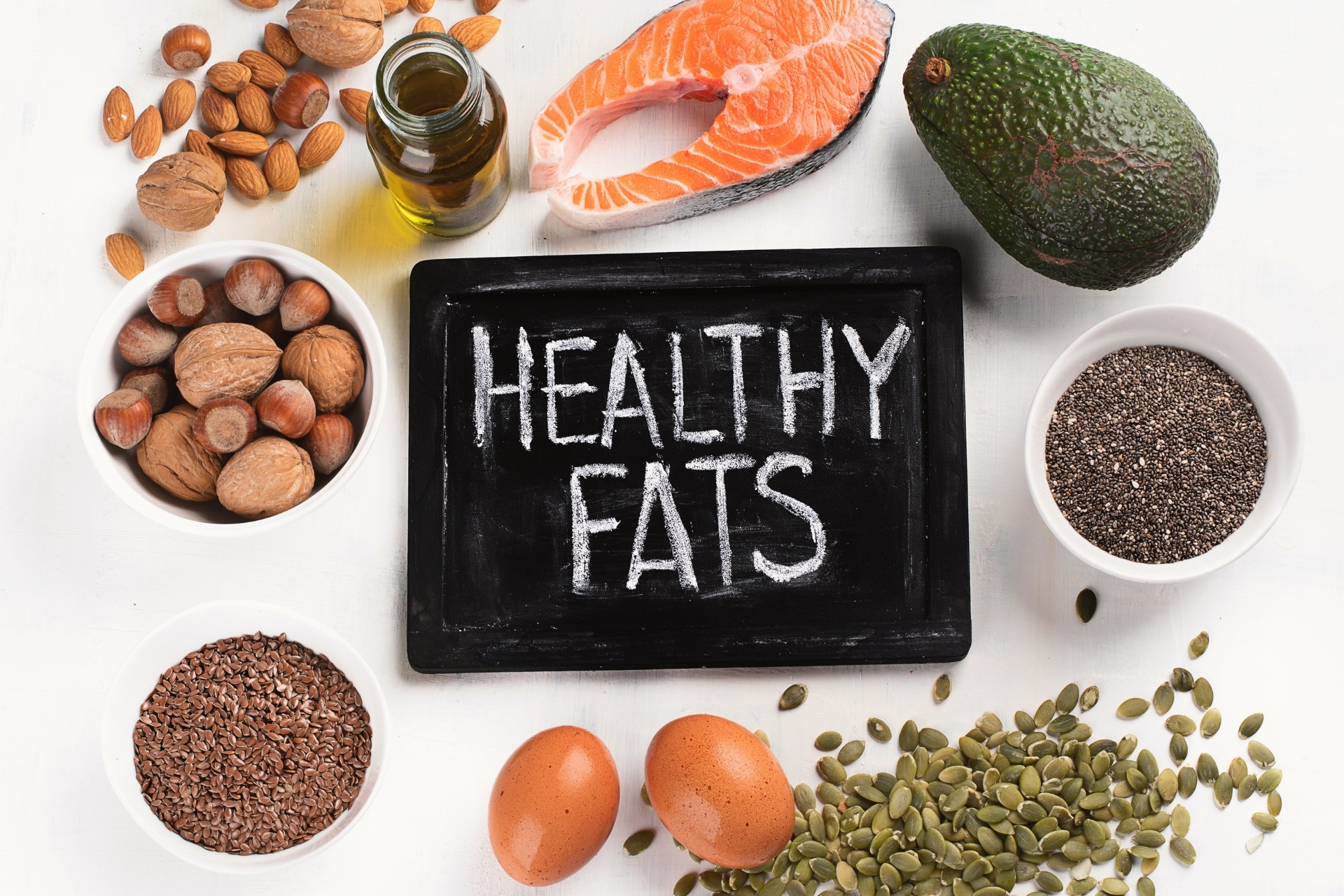
Skin barrier lipids (ceramides, cholesterol, essential fatty acids) prevent water loss and maintain barrier integrity.
Fats for Skin:
- Omega-3 fatty acids (fish, walnuts, flax): reduce inflammation, support barrier function.
- Omega-6 in proper ratio (currently over-consumed, driving inflammation)
- Monounsaturated fats (olive oil, avocado, nuts): support barrier, anti-inflammatory.
- Saturated fats in moderation: needed for hormone synthesis.
-
Carbohydrate Quality—Energy Without Glycation:

Not all carbohydrates are equal for skin health. Refined carbohydrates drive glycation; complex carbohydrates support health.
Optimal Carbohydrate Strategy:
- Whole grains over refined grains (fiber slows glucose absorption)
- Vegetables as primary carbohydrate source (nutrient density, fiber)
- Minimal sugar (accelerates glycation, drives inflammation)
- Eat carbohydrates with protein and fat (slows glucose absorption)
Micronutrient Orchestration for Skin Health:
Individual vitamins and minerals create the conditions enabling skin health:
-
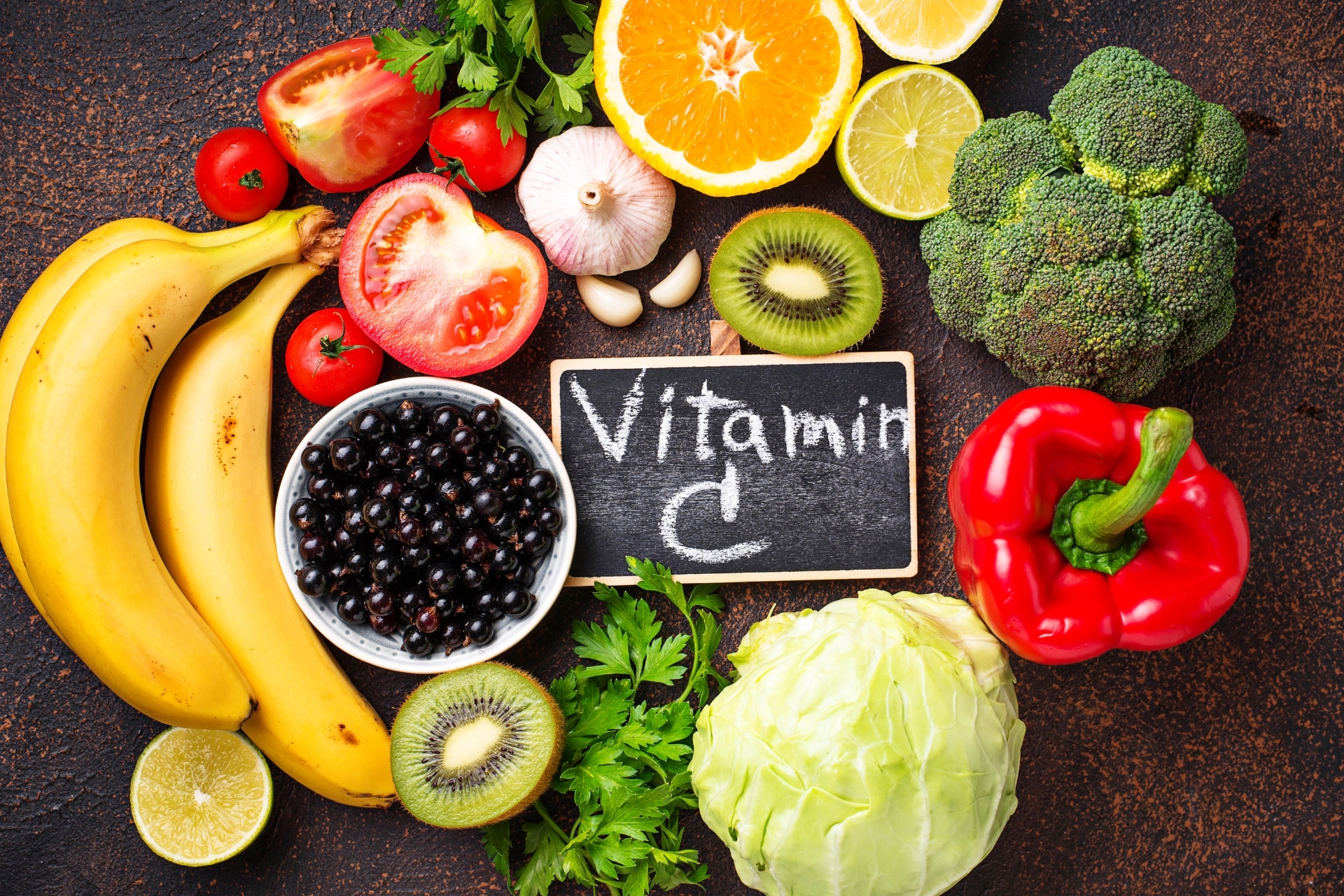
Vitamin C—Collagen Synthesis Catalyst:
Vitamin C is an essential cofactor for collagen synthesis. Without adequate C, collagen production stalls.
Vitamin C for Skin:
- Stabilizes collagen molecules, preventing cross-linking and stiffening
- Acts as antioxidant (protects against oxidative damage)
- Brightens skin (reduces hyperpigmentation)
- Supports immune function (heals infections, impairs barrier)
- Optimal intake: 500-2,000mg daily (higher intakes begin to saturate tissues)
-
Vitamin A (Retinoids)—Cell Turnover and Renewal:
Vitamin A (as retinol, retinoids) regulates cell turnover and differentiation. Deficiency compromises skin health.
Vitamin A for Skin:
- Increases epidermal cell turnover (replaces aged cells faster)
- Stimulates fibroblasts (increases collagen production)
- Normalizes sebum production
- Reduces hyperpigmentation
- Improves barrier function
-
Vitamin E—Antioxidant Protection:
Vitamin E protects skin from oxidative damage (from sun, pollution, stress).
Vitamin E for Skin: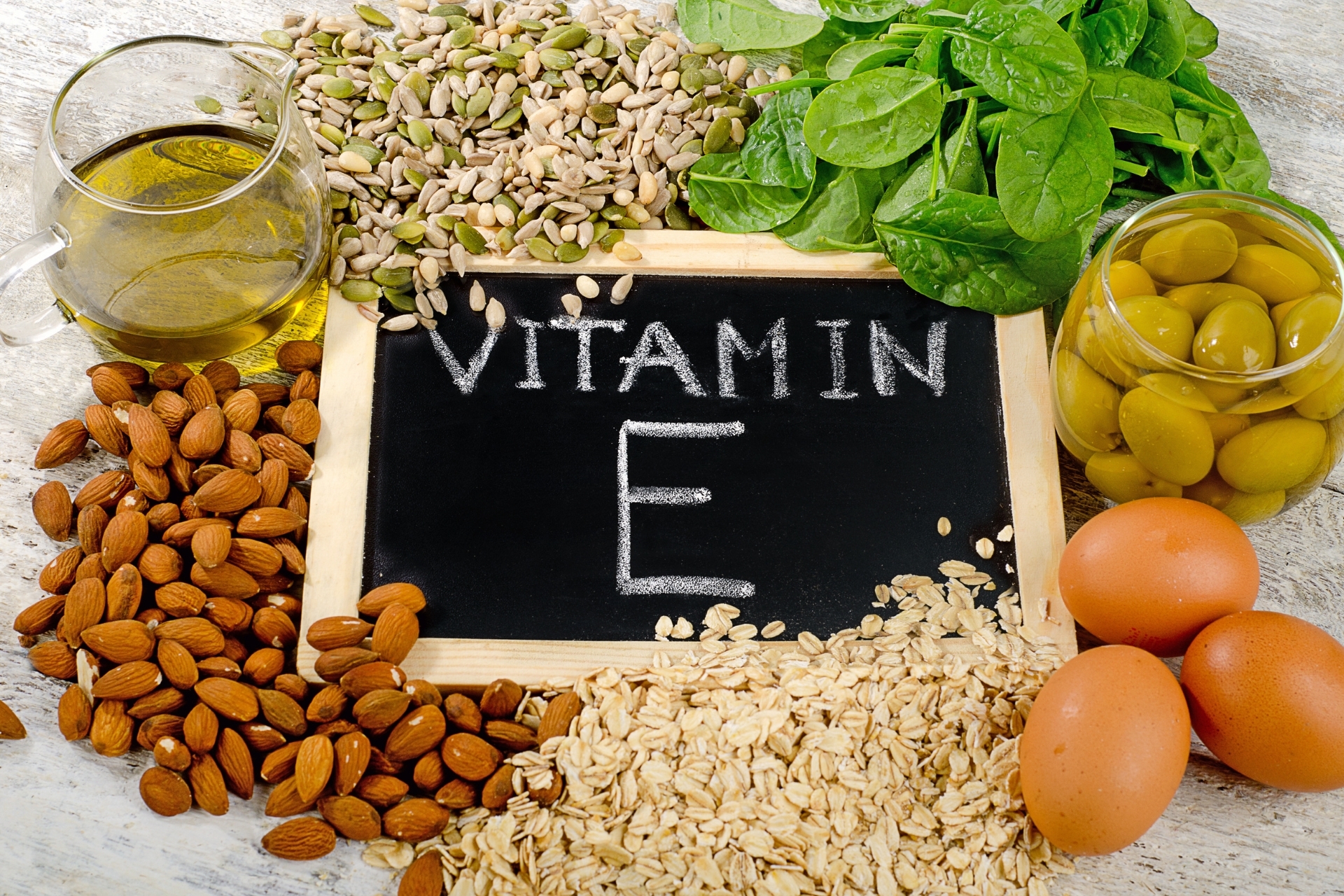
- Fat-soluble antioxidant (protects skin lipids)
- Protects against UV damage
- Synergizes with vitamin C
- May reduce age spots and sun damage appearance
- Supports skin barrier
-
Vitamin D—Immune Regulation and Barrier Function:
Vitamin D regulates skin barrier function and immune tolerance (reduces inappropriate inflammation).
Vitamin D for Skin: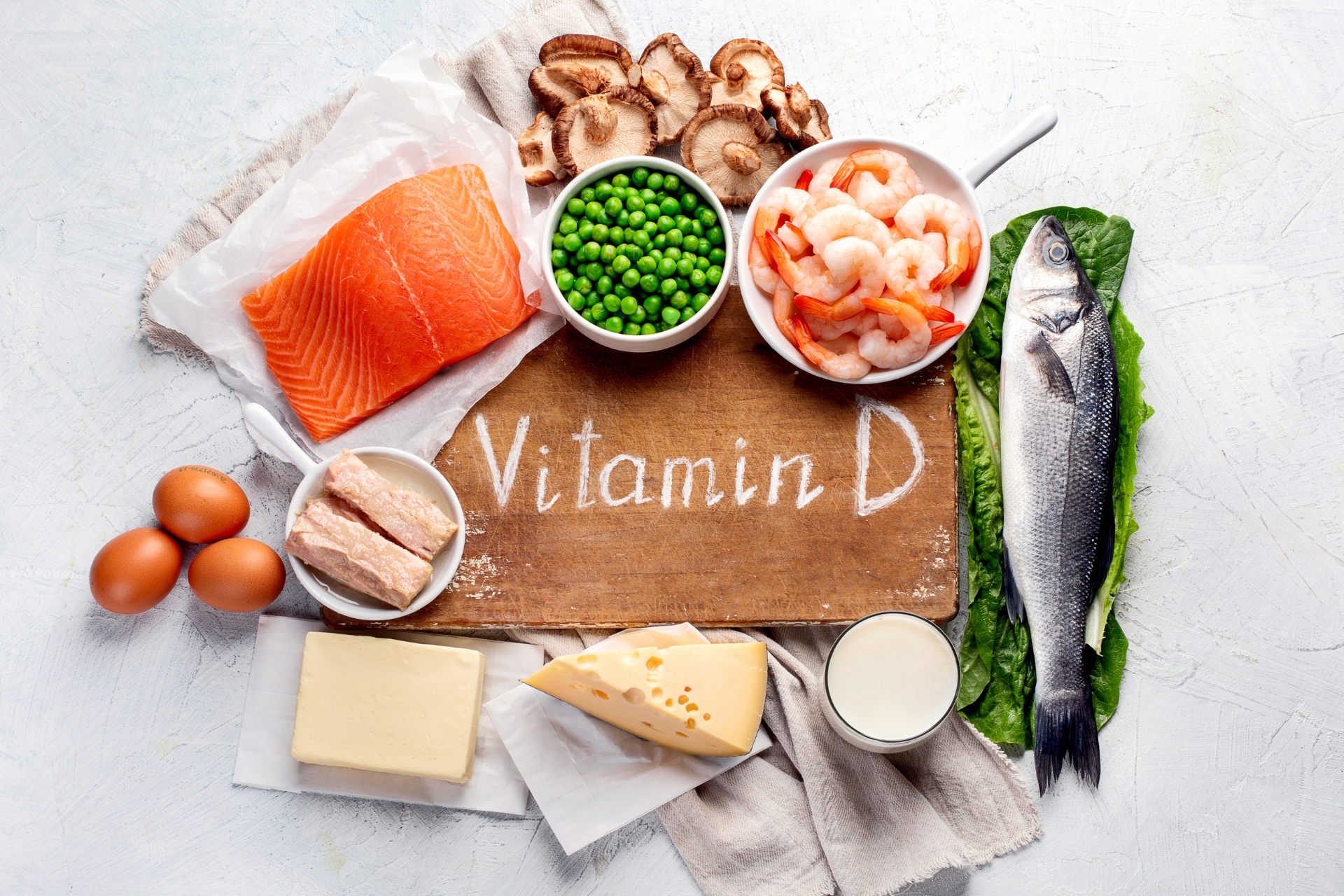
- Regulates skin barrier tight junctions
- Supports immune tolerance (prevents excessive inflammation)
- May reduce acne and sensitivity
- Systemic deficiency associated with accelerated aging
-
B Vitamins—Energy and Barrier Function:
B vitamins (particularly B3/niacin, B5/pantothenic acid) support skin energy production and barrier function.
B Vitamins for Skin: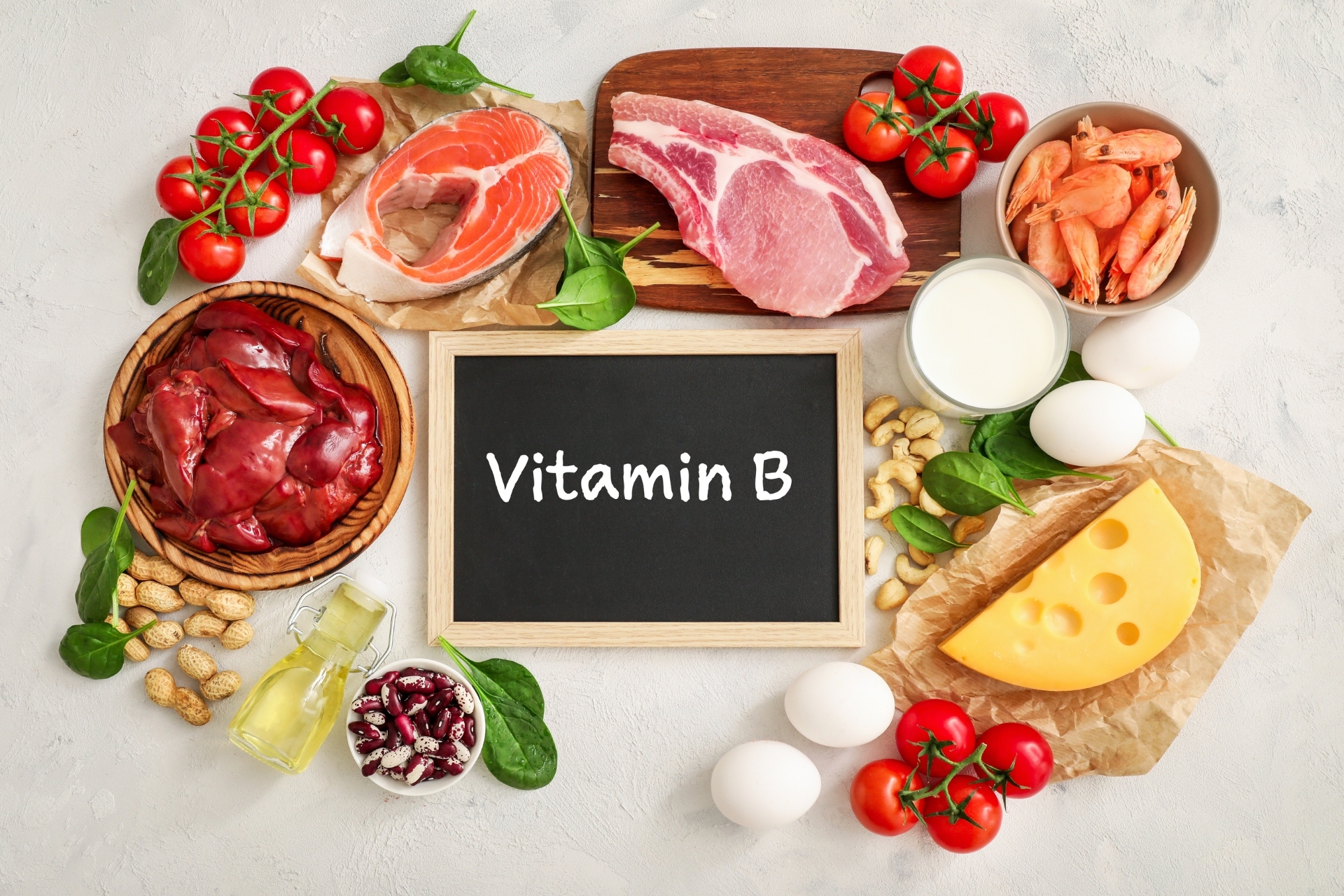
- Niacin (B3): Improves barrier function, reduces water loss, anti-inflammatory
- Pantothenic Acid (B5): Supports barrier repair, reduces sensitivity
- B6, B12, folate: Support methylation and cellular processes
- Biotin: Supports skin and hair health
Conclusion:
The convergence of longevity science and cosmetic dermatology marks a transformative moment in our approach to aging. No longer content to mask the symptoms of time, we now possess the knowledge and tools to address its root causes—cellular senescence, declining autophagy, epigenetic drift, and mitochondrial dysfunction.
This is the promise of health-span beauty: skin that doesn't merely appear younger, but functions with the vitality of youth. By integrating senolytics to clear damaged cells, autophagy enhancers to renew cellular components, NAD+ precursors to restore energy, and epigenetic modulators to reset biological clocks, we can extend skinspan in ways previously thought impossible.
At Kiwla, we are committed to bringing these scientific advances to you through carefully curated, evidence-based products and protocols. We believe that the future of beauty is inseparable from the future of health—and that radiant, youthful skin is your birthright, accessible through the intelligent application of longevity science.
The journey to ageless beauty is not about denying time, but about optimizing your biology to thrive within it. Embrace these strategies not as anti-aging interventions, but as pro-vitality investments—contributions to your health-span that pay dividends in energy, resilience, and radiant confidence for years to come.
Recent Posts
-

Dietary Supplements: A Practical Guide to Multivitamins, Omega-3, Magnesium, Collagen, Probiotics & More
Introduction: Walk into any pharmacy or scroll through any wellness app, and you'll find shelves and
-

Sweat-Proof Brows: How to Choose a Waterproof Brow Gel That Actually Lasts
Introduction: Well-defined eyebrows can make a noticeable difference to your overall makeup look, bu
-

Lip Oil Explained: Your Complete Guide to Soft, Hydrated, and Healthy Lips
Introduction: Healthy, well-hydrated lips are an essential part of any beauty and skincare routine.