
The Science Behind Mycotoxin Detox: What Does Research Say?
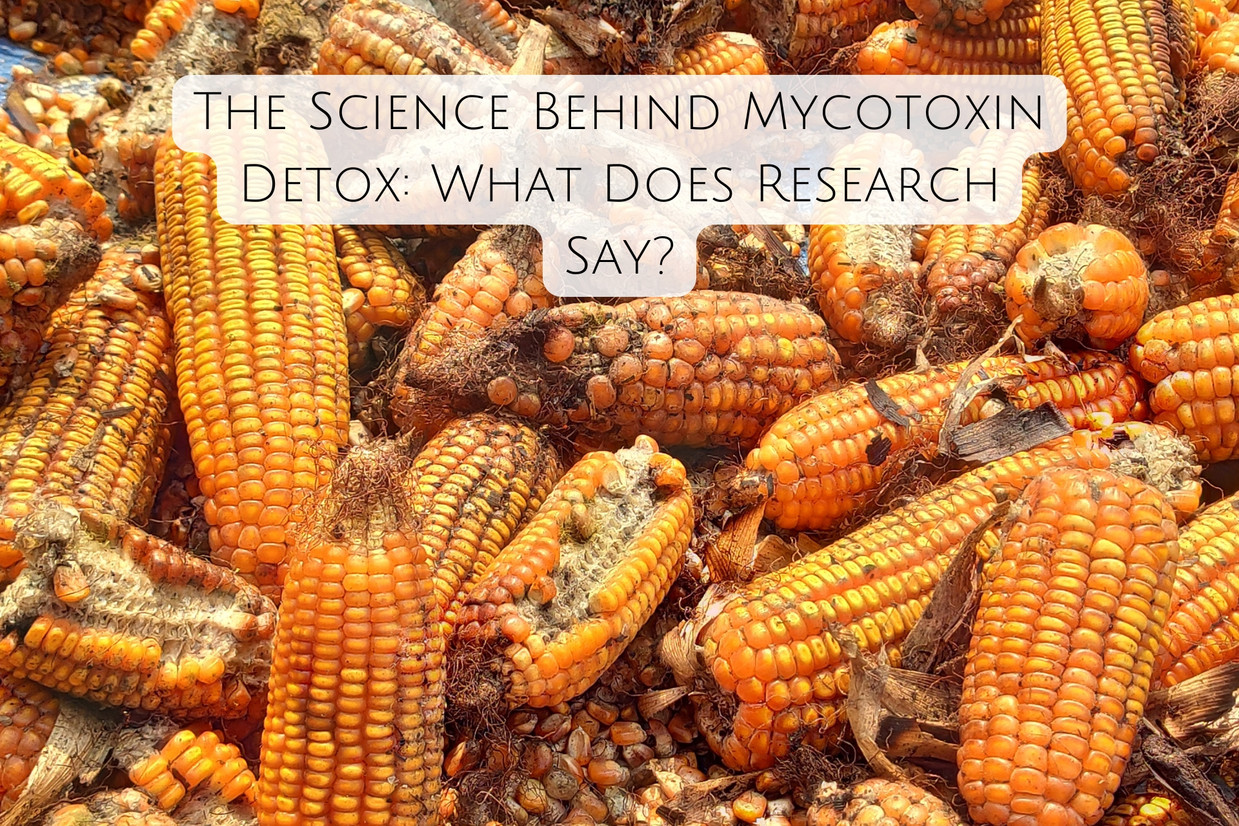
With increasing awareness of the impact of mycotoxins on health, the concept of mycotoxin detoxification has gained popularity. This blog will delve into the science behind mycotoxin detox, exploring what research says about the effectiveness of various detox methods and strategies.
Understanding Mycotoxins:
Mycotoxins are secondary metabolites produced by fungi, primarily in grains, nuts, seeds, and fruits.
- Ochratoxins - Found in various food products, particularly cereals and coffee.
- Fusarium toxins - Such as deoxynivalenol (DON) and zearalenone, associated with crops like wheat and corn.
The Need for Detoxification:
Detoxification is the process of eliminating toxins from the body. Given the potential harm posed by mycotoxins, detox methods aim to minimize exposure and facilitate elimination. This has led to a surge in interest in detox diets, supplements, and protocols.
What Does Research Say?
Dietary Approaches:
- Nutritional Interventions:
Research indicates that certain dietary components can help reduce the absorption of mycotoxins:
- Activated Charcoal: Some studies suggest activated charcoal may bind to mycotoxins in the gastrointestinal tract, reducing their absorption.
- Fibers: Dietary fibers, particularly soluble fibers, can enhance gut health and promote the excretion of toxins.
- Antioxidant-Rich Foods:
Antioxidants found in fruits and vegetables may support liver function and help mitigate oxidative stress caused by mycotoxin exposure. Foods high in vitamins C and E, selenium, and flavonoids are often recommended.
Supplements and Natural Compounds:
- Silica and Chlorella:
Some research supports the use of silica and chlorella as agents that may bind to mycotoxins, aiding their elimination from the body. However, the evidence is still limited, and more robust clinical trials are needed. - Probiotics:
Probiotics can promote a healthy gut microbiome, potentially helping to mitigate the effects of mycotoxin exposure. Certain strains of probiotics may also help detoxify mycotoxins, although more studies are needed to determine their efficacy.
Medical Interventions:
In cases of severe mycotoxin exposure, medical interventions may be necessary. Healthcare providers may recommend:
- Intravenous (IV) Therapies: In severe cases, IV therapies that promote detoxification may be used, though their effectiveness can vary.
- Medications: In certain scenarios, medications that bind to toxins or support liver function may be prescribed.
Lifestyle Modifications:
- Environmental Controls:
To minimize exposure to mycotoxins, it’s essential to manage the environment. This includes:
- Properly storing food to prevent mold growth.
- Regularly inspecting and maintaining living areas to reduce humidity and mold presence.
B.Incorporating stress-reducing practices, such as mindfulness and regular exercise, can enhance overall health and resilience.
Conclusion:
While the science behind mycotoxin detoxification is still evolving, current research offers insights into various dietary, supplemental, and lifestyle approaches to minimize exposure and support the body’s natural detox processes. However, it’s crucial to approach detoxification with caution, relying on evidence-based practices and consulting healthcare professionals when necessary. As our understanding of mycotoxins grows, so too will our ability to effectively combat their adverse effects on health.
For those concerned about mycotoxin exposure, staying informed and proactive in prevention is key to maintaining health and well-being.
Recent Posts
-

Scalp Therapy Isn’t Just a Trend—It’s the Next Big Haircare Routine
Introduction:Scalp therapy isn't just a trend—it's the next big haircare routine that's changing how
-

Seed-Cycling, Cold Plunges & Breathwork: Why Indians Are Embracing These ‘Biohacks’
Introduction: India has always had a rich tradition of holistic wellness — from Ayurveda and pranay
-

Sustainable Beauty: How to Build an Eco-Friendly Vanity in India
Introduction: In a world increasingly driven by the urgent need for sustainability, even our beauty
