
The Gut-Brain Connection: How Your Digestive Wellness Affects Mood, Skin & Sleep
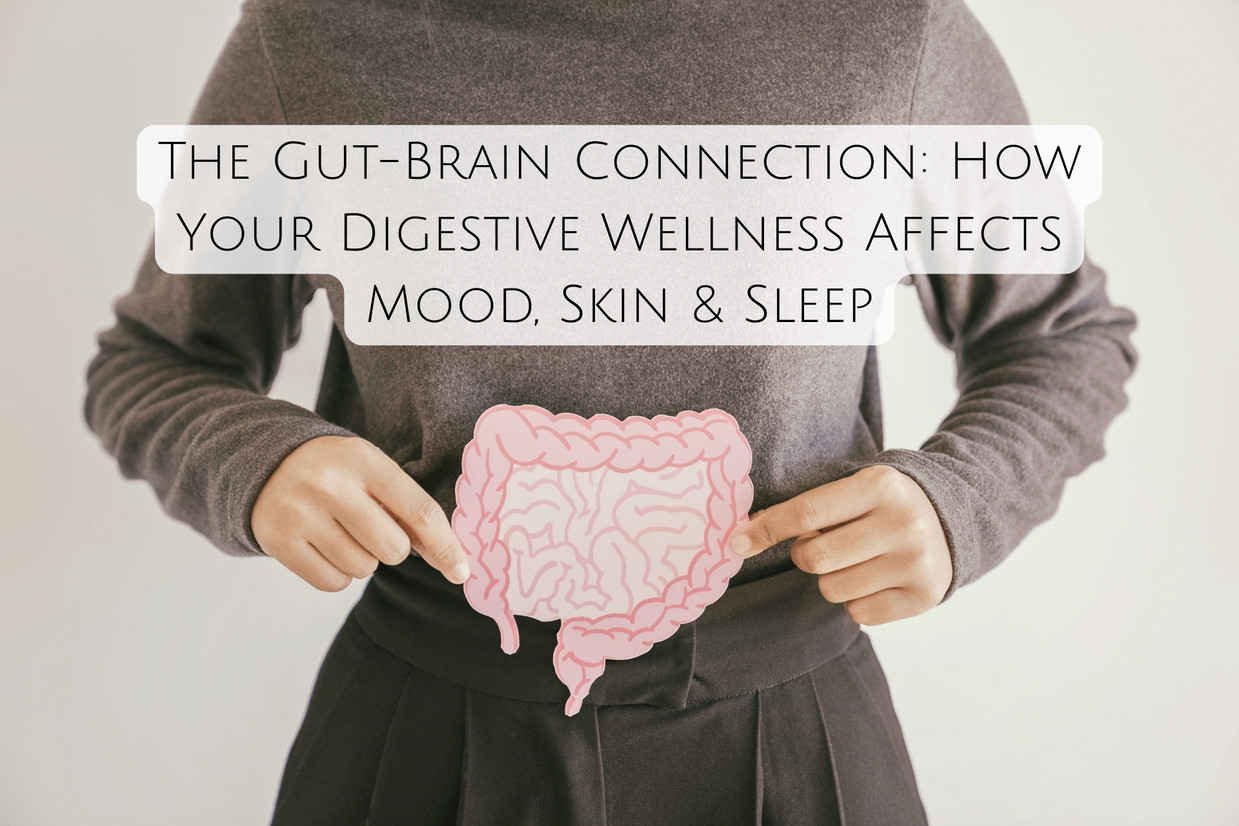
Introduction:
The gut-brain connection is a fascinating and complex system that plays a significant role in our overall health and well-being. Research has shown that the health of our digestive system can directly impact our mood, skin, and even our sleep quality.
Understanding this connection and taking steps to improve our digestive wellness can have a profound impact on our daily lives. From reducing stress and anxiety to improving skin conditions and promoting restful sleep, optimizing our gut health is essential for a healthy body and mind.This blog will explore the intricate relationship between our gut and brain, and provide practical tips on how to support digestive wellness for improved mood, skin, and sleep.
The Science Behind the Gut-Brain Axis:
The gut-brain axis involves a complex network of communication between the central nervous system and the gastrointestinal tract. The gut and brain communicate bidirectionally through multiple pathways including the vagus nerve, immune signaling, and microbial metabolites. Gut microbes produce or stimulate production of neurotransmitters such as serotonin, dopamine, and gamma-aminobutyric acid (GABA), which play pivotal roles in mood regulation and cognitive function. These microbes influence the hypothalamic-pituitary-adrenal (HPA) axis, modulating the body’s stress response and emotional resilience. Meanwhile, brain activity impacts gut motility, secretion, and the microbial environment, linking psychological states to gut health.
How Digestive Wellness Influences Mood and Mental Health:
The gut microbiome exerts a powerful influence over mood and mental health through the gut-brain axis, a bidirectional communication network involving the nervous, endocrine, and immune systems. Dysbiosis, or an imbalance in gut bacteria, is strongly linked with neuropsychiatric disorders such as anxiety, depression, and stress-related conditions.
Pro-inflammatory cytokines released during gut inflammation can cross the blood-brain barrier, negatively affecting brain function and behavior. Certain beneficial bacteria like Bifidobacteria and Lactobacillus produce neuroactive compounds, including GABA and serotonin precursors that modulate the central nervous system and improve resilience to stress. Probiotic and prebiotic interventions have shown promising results in reducing depressive and anxiety symptoms, normalizing stress hormone levels, and preserving hippocampal function—key areas involved in mood regulation. This emerging evidence positions gut health as a pivotal factor in managing mental health and cognitive well-being.
The Role of Gut Health in Skin Conditions:
The relationship between gut health and skin condition is mediated primarily by systemic inflammation and immune modulation. Increased intestinal permeability or "leaky gut" allows endotoxins and inflammatory molecules to enter circulation, exacerbating inflammatory skin issues such as acne, eczema, and psoriasis.
A balanced gut microbiome supports the skin's natural barrier, hydration, and immune defense by modulating systemic immune responses. Short-chain fatty acids (SCFAs) produced by gut bacteria have anti-inflammatory effects and promote skin cell turnover, enhancing skin clarity and texture. Conversely, gut microbiome imbalances can provoke oxidative stress and impair wound healing, resulting in dull, reactive, or acne-prone skin. Thus, nurturing a healthy gut microbiota through diet and probiotics can promote healthier, more resilient skin.
Sleep Quality and Digestive Health:
Gut microbes influence sleep through neural and hormonal pathways. They regulate circadian rhythms, partly by affecting melatonin synthesis, the hormone essential for sleep regulation. Dysbiosis has been associated with disrupted sleep architecture, insomnia, and poor sleep quality through inflammatory mediators and imbalanced neurotransmitter production.
The gut-brain axis modulates the hypothalamic-pituitary-adrenal (HPA) axis that governs the body's stress response, influencing sleep onset and maintenance. Evidence suggests that probiotic supplementation can improve sleep quality by enhancing gut microbial diversity and reducing systemic inflammation. Additionally, adequate fiber intake boosts SCFA production, which impacts pathways linked to restful, restorative sleep. Holistically, maintaining gut health supports better sleep hygiene and overall circadian alignment.
Common Signs of an Unhealthy Gut:
Common signs of an unhealthy gut extend beyond typical digestive discomfort to affect multiple aspects of physical and mental well-being.
- Frequent digestive issues: bloating, gas, diarrhea, constipation, heartburn.
- Persistent fatigue or low energy despite rest.
- Unintentional weight changes, either gain or loss.
- Food intolerances or sensitivities causing bloating, nausea, or pain.
- Sugar cravings are linked to imbalanced gut bacteria.
- Skin problems like acne, eczema, or psoriasis are linked to systemic inflammation.
- Migraines or frequent headaches, sometimes with nausea.
- Autoimmune-related symptoms and frequent infections.
- Mood disturbances such as anxiety or depression.
- Poor sleep quality or insomnia reflecting gut-brain axis disruption.
How to Support a Healthy Gut-Brain Connection:
Supporting a healthy gut-brain connection requires a multi-faceted approach to nurture microbial diversity and restore balanced communication between the digestive system and brain.
- Eat a diverse, fiber-rich diet including fruits, vegetables, whole grains, and fermented foods.
- Limit intake of processed foods, sugars, and excessive alcohol.
- Manage stress through mindfulness, therapy, exercise, and relaxation techniques.
- Stay well-hydrated to support digestion and nutrient transport.
- Use probiotics and prebiotics when appropriate to enhance beneficial bacteria.
- Avoid unnecessary antibiotics to preserve microbial balance.
- Maintain regular sleep patterns and adequate physical activity.
- Consult healthcare providers for personalized gut health management.
Kiwla’s Gut-Brain Wellness Essentials:
Kiwla equips you to nurture the gut-brain connection with a targeted selection of probiotics, prebiotics, digestive enzymes, and synbiotic blends that support microbial diversity, reduce inflammation, and enhance neurotransmitter balance for better mood, clearer skin, and restorative sleep. From high-CFU Lactobacillus/Bifidobacterium formulas and fiber-rich prebiotic supplements to gut-skin axis capsules addressing acne/eczema via SCFAs and oral kombucha essences, Kiwla’s wellness range complements fiber-rich diets and stress management by delivering clinically oriented gut support that influences serotonin production, HPA axis regulation, and circadian health—all accessible online in India. By integrating these science-backed products into daily routines alongside fermented foods and hydration, Kiwla helps Indian consumers optimize the gut-brain-skin-sleep ecosystem for holistic vitality without complexity.
Conclusion:
In conclusion, the Gut-Brain Connection underscores the significance of maintaining a healthy gut for our overall well-being. By cultivating a diverse and thriving gut microbiome through the consumption of probiotic and prebiotic foods, alongside staying hydrated, managing stress, and engaging in regular physical activity, we can positively impact our mood, skin health, and quality of sleep. Remember, small changes in our diet and lifestyle can lead to remarkable improvements in our digestive wellness. Prioritize your gut health to achieve a balanced and fulfilling life.
Recent Posts
-

The Gut-Brain Connection: How Your Digestive Wellness Affects Mood, Skin & Sleep
Introduction: The gut-brain connection is a fascinating and complex system that plays a significant
-

The Mind-Body Connection: How Blood Sugar Affects Your Mood and Metabolism
Introduction: In today's fast-paced world filled with refined foods, chronic stress, and sedentary h
-

Why Hormonal Balance Is the Missing Piece in Women’s Wellness
Introduction: Hormones are the body's biochemical messengers that orchestrate nearly every aspect of
