
The Fungus Inside Us: How the Mycobiome is Linked to Cancer
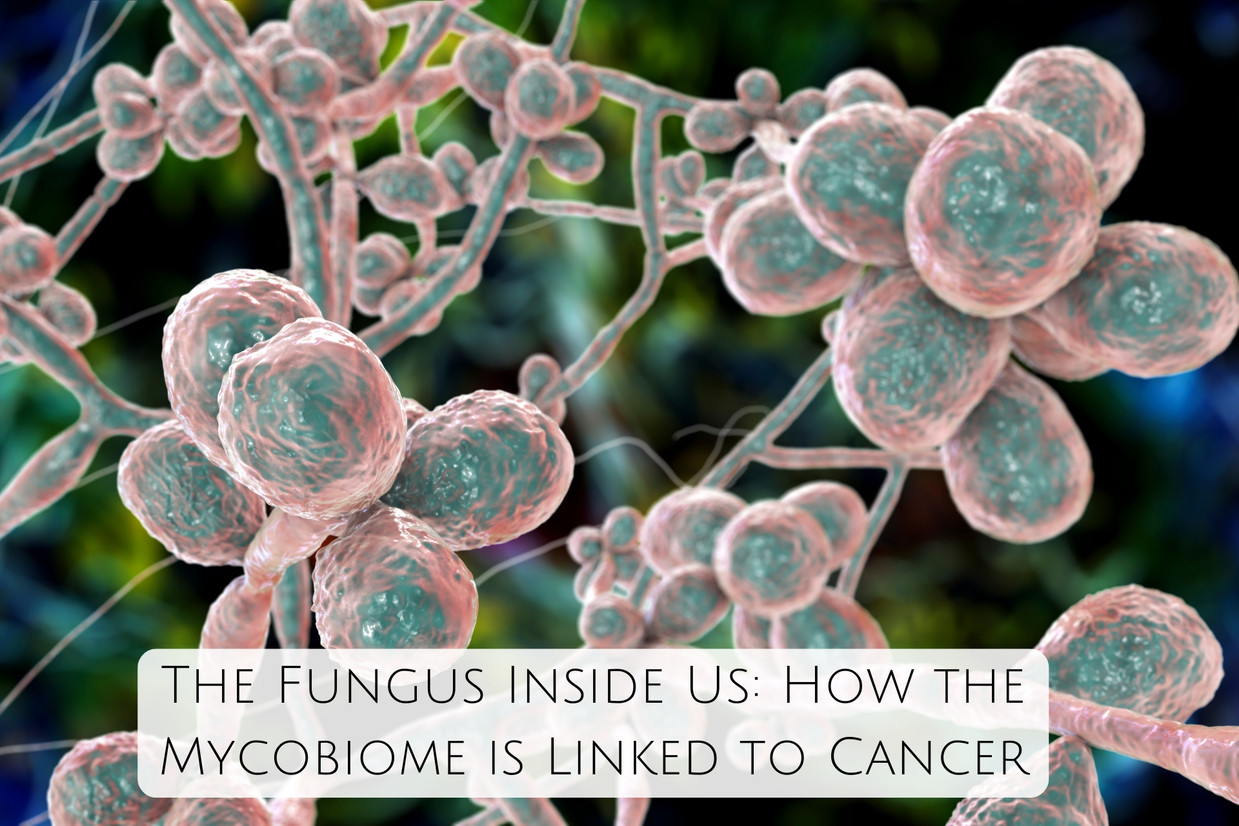
When we think about the organisms within us, the first thought is often bacteria—the gut microbiome has become a household term. But there’s another lesser-known community of organisms living inside us: fungi. This “mycobiome” plays a surprising and complex role in our health, and recent research has unveiled a possible connection between the mycobiome and cancer.
The mycobiome isn’t just a passive passenger in our bodies; it actively interacts with our immune system, metabolism, and other microbes. Understanding the role of the mycobiome could revolutionize cancer prevention, detection, and treatment.
In this blog, we’ll delve into the fascinating world of the mycobiome, its intricate links to cancer, and how we can harness its power to improve health outcomes.
What Is the Mycobiome?
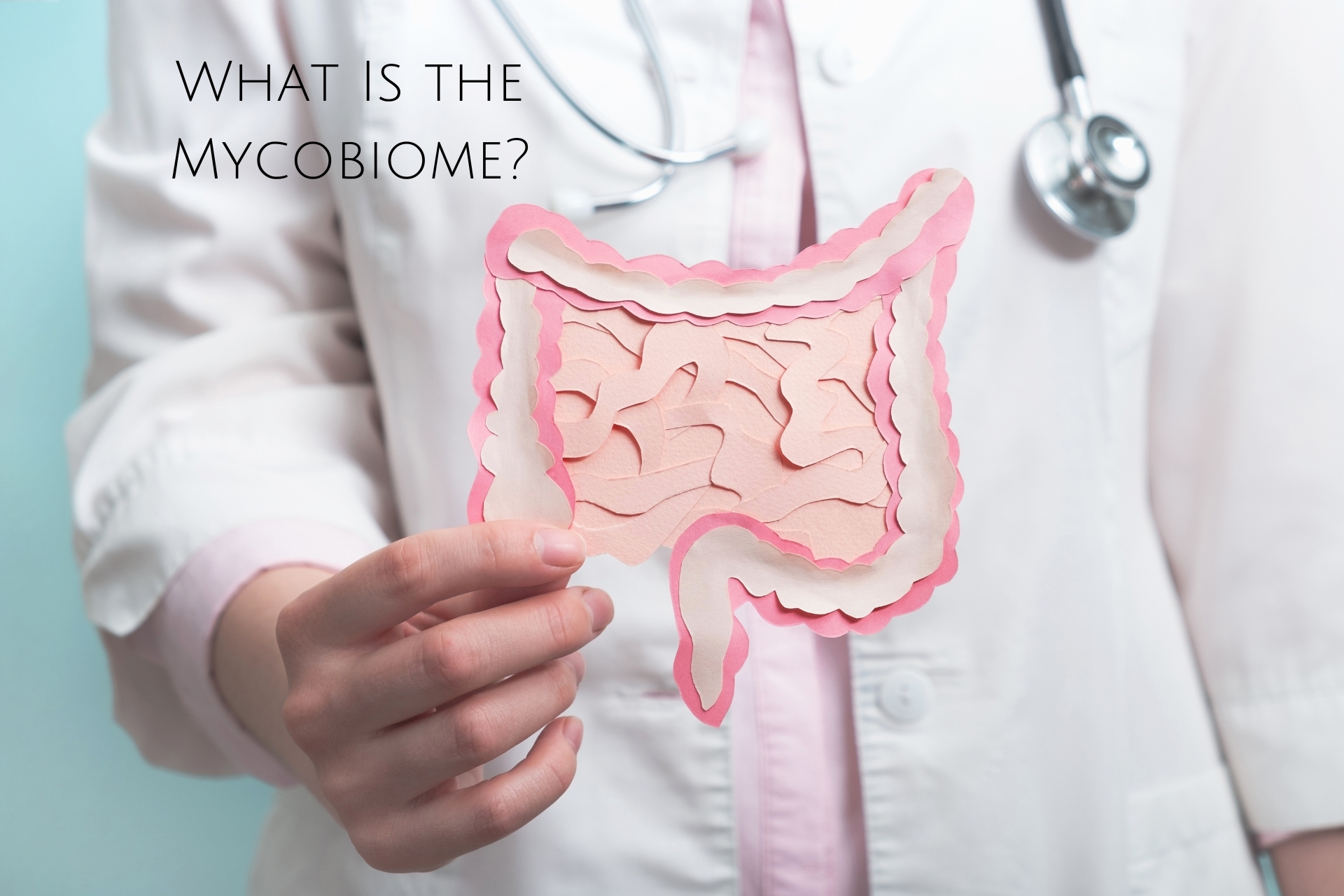
The term “mycobiome” refers to the community of fungi residing in the human body. This fungal ecosystem coexists with the bacterial microbiome, and together they maintain balance in our bodies. The mycobiome can be found in various regions, including:
-
The Gut: Home to diverse fungal species like Candida and Saccharomyces.
-
The Skin: Where fungi like Malassezia are integral to skin health.
-
The Mouth: Commonly inhabited by Candida albicans.
-
The Lungs: Containing transient fungi, which may influence respiratory health.
In healthy individuals, the mycobiome exists in harmony with bacteria, immune cells, and other elements of the microbiome.
Fungi and Cancer: The Hidden Connection
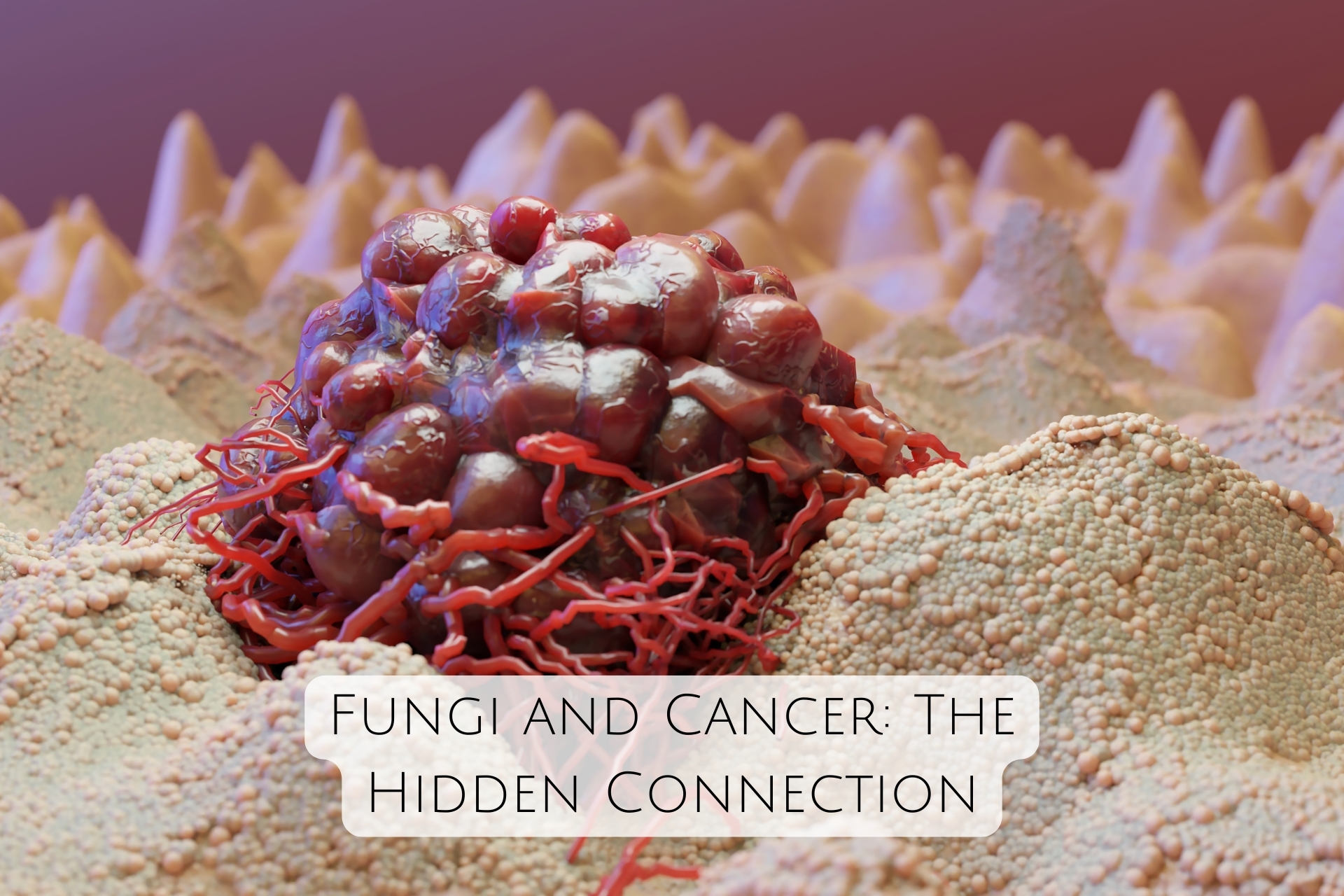
Recent studies have illuminated the potential role of fungi in cancer development and progression. Here’s how the mycobiome may contribute to cancer:
1. Chronic Inflammation and Immune Dysregulation
Fungi can drive chronic inflammation by activating immune cells. For instance:
-
Candida albicans has been implicated in oral and esophageal cancers due to its ability to cause chronic mucosal inflammation.
Fungi can also evade or suppress immune responses, creating a fertile environment for cancer cells to grow unchecked.
2. Carcinogenic Fungal Metabolites
Some fungi produce toxic metabolites that directly contribute to cancer. Notable examples include:
-
Ochratoxins: Another class of fungal toxins linked to kidney and bladder cancers.
3. Altered Microbial Interactions
Fungi don’t operate in isolation. For example:
-
Fungal overgrowth in the gut can disturb the bacterial microbiome, leading to reduced production of anti-inflammatory compounds and increased production of cancer-promoting metabolites.
-
Synergistic interactions between fungi and bacteria can amplify inflammation and oxidative stress, further promoting tumorigenesis.
4. Fungi in Tumor Microenvironments
A groundbreaking study published in 2022 revealed that fungal cells and DNA are present in various types of tumors, such as breast, pancreatic, and lung cancers. These fungi may not be innocent bystanders—they could actively shape the tumor microenvironment by:
-
Suppressing immune responses, helping tumors evade detection.
-
Producing enzymes or metabolites that facilitate tumor growth.
For example, Malassezia species were found in pancreatic tumors and may contribute to disease progression by influencing the tumor’s nutrient availability and immune interactions.
Harnessing the Mycobiome for Cancer Treatment
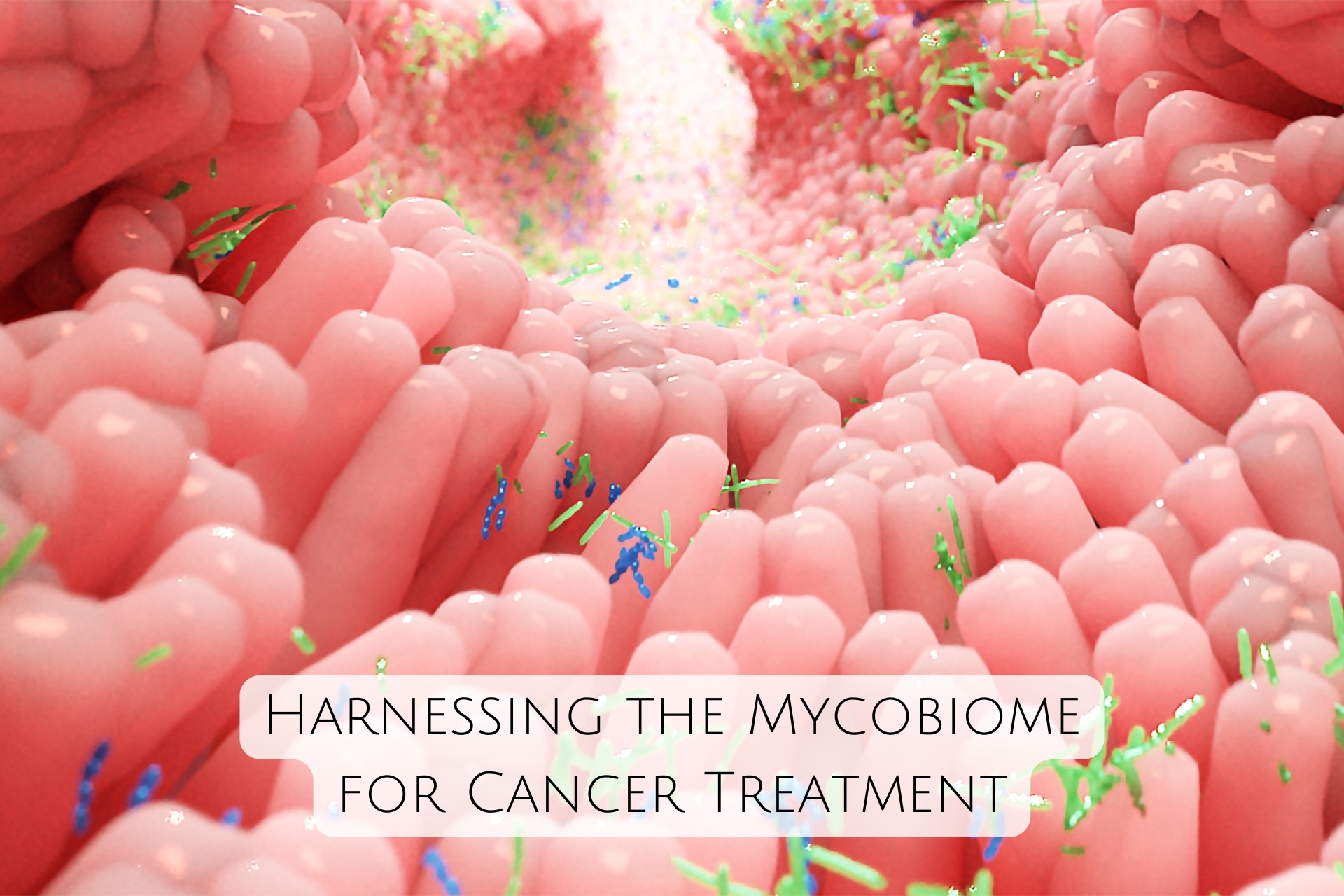
While the connection between the mycobiome and cancer is concerning, it also opens up exciting opportunities for new therapeutic approaches:
1. Biomarkers for Early Detection
Fungal DNA and metabolites found in blood, stool, or tissue samples could serve as diagnostic biomarkers. For example:
-
Elevated levels of Candida albicans markers in the mouth or esophagus might signal an increased risk of cancers in those regions.
-
Specific fungal signatures in blood could help identify early-stage pancreatic or lung cancers.
2. Enhancing Immunotherapy
Cancer immunotherapy relies on stimulating the immune system to fight cancer cells. However, the presence of certain fungi in tumors might suppress immune responses. By targeting these fungi with antifungal drugs or vaccines, we could boost the effectiveness of immunotherapies.
3. Antifungal Therapies
In cases where fungal overgrowth contributes directly to cancer progression, antifungal drugs might become part of cancer treatment protocols. For example, addressing Malassezia in pancreatic cancer patients could potentially slow disease progression.
4. Probiotic and Dietary Interventions
Balancing the mycobiome through diet or probiotics might lower cancer risk. Preclinical studies suggest that restoring fungal balance can reduce inflammation and enhance the gut’s protective barrier, potentially preventing colorectal cancer.
Practical Tips for Maintaining a Healthy Mycobiome
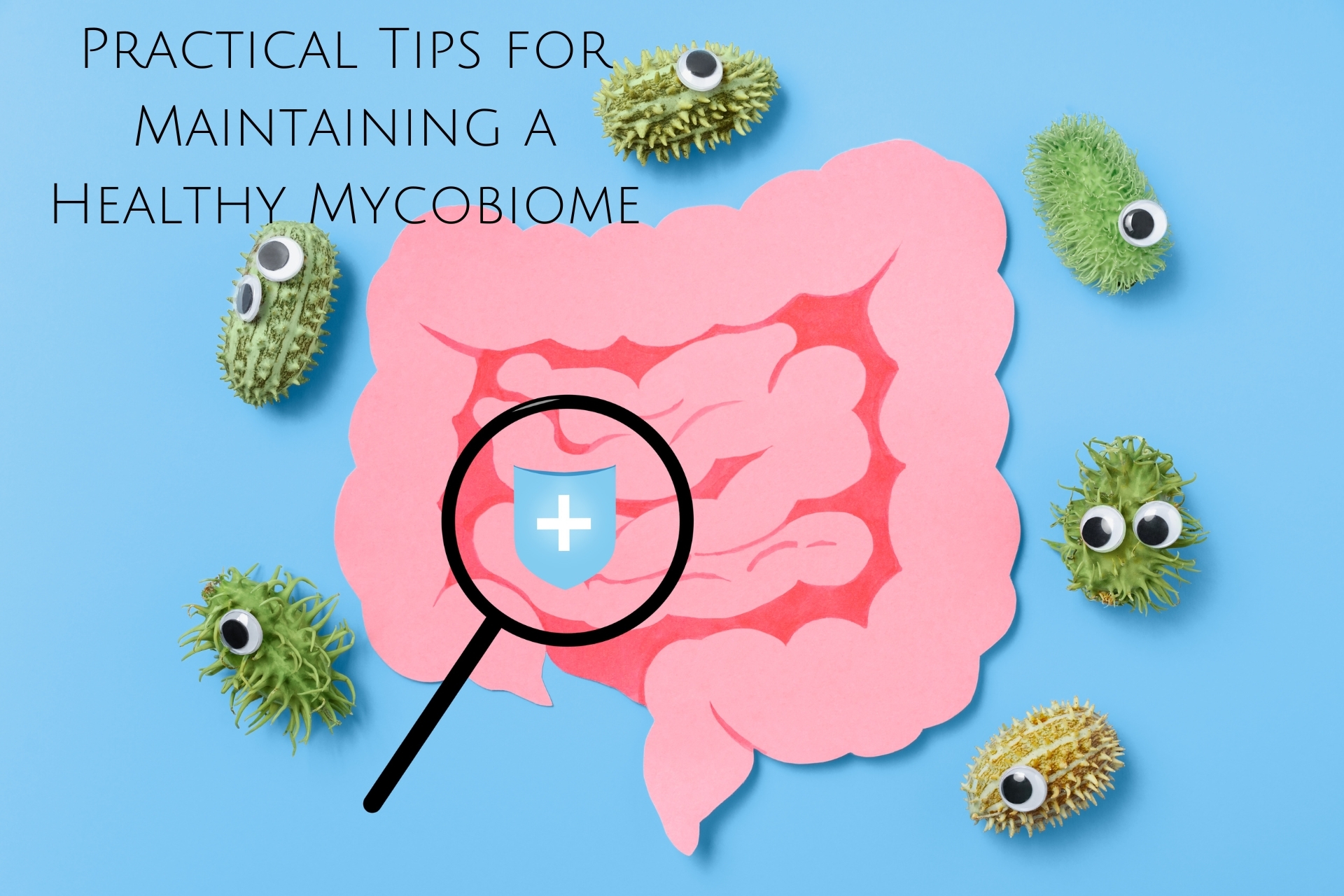
Taking care of your mycobiome can promote overall health and reduce cancer risks. Here are some actionable tips:
-
Focus on a Balanced Diet: Include fiber-rich foods, fermented products (like yogurt and kimchi), and antifungal herbs (like garlic and turmeric).
-
Limit Sugars and Processed Foods: Fungi thrive on sugar, so cutting down on sweets can help keep fungal populations in check.
-
Use them only when prescribed.
-
Stay Hygienic: Proper food storage can minimize exposure to aflatoxins and other fungal toxins.
-
Manage Stress: Chronic stress weakens immune defenses, making it easier for fungi to overgrow.
-
Avoid Overuse of Corticosteroids: These medications can promote fungal growth, so use them only when medically necessary.
A New Frontier in Cancer Research
The mycobiome is a fascinating frontier in the study of human health and disease. Its role in cancer development, progression, and treatment is only beginning to be understood. By exploring this hidden fungal world, researchers hope to unlock innovative ways to combat cancer—through better diagnostics, targeted therapies, and preventive strategies.
As science continues to uncover the intricate links between fungi and cancer, one thing is clear: the organisms living inside us hold the key to understanding and conquering some of humanity’s most challenging diseases.
Start taking steps today to nurture your mycobiome—it might just be one of the most significant ways to safeguard your health for the future.
Recent Posts
-

Modern Beauty Minimalism: How Ghost Lashes and Bare-Glam Are Changing Beauty Standards
Introduction: Beauty trends have always been cyclical, but the latest sensation sweeping through Ind
-
The Fungus Inside Us: How the Mycobiome is Linked to Cancer
When we think about the organisms within us, the first thought is often bacteria—the gut microbiome
-

Scalp Therapy Isn’t Just a Trend—It’s the Next Big Haircare Routine
Introduction:Scalp therapy isn't just a trend—it's the next big haircare routine that's changing how