
Scalp Therapy Isn’t Just a Trend—It’s the Next Big Haircare Routine
Introduction:
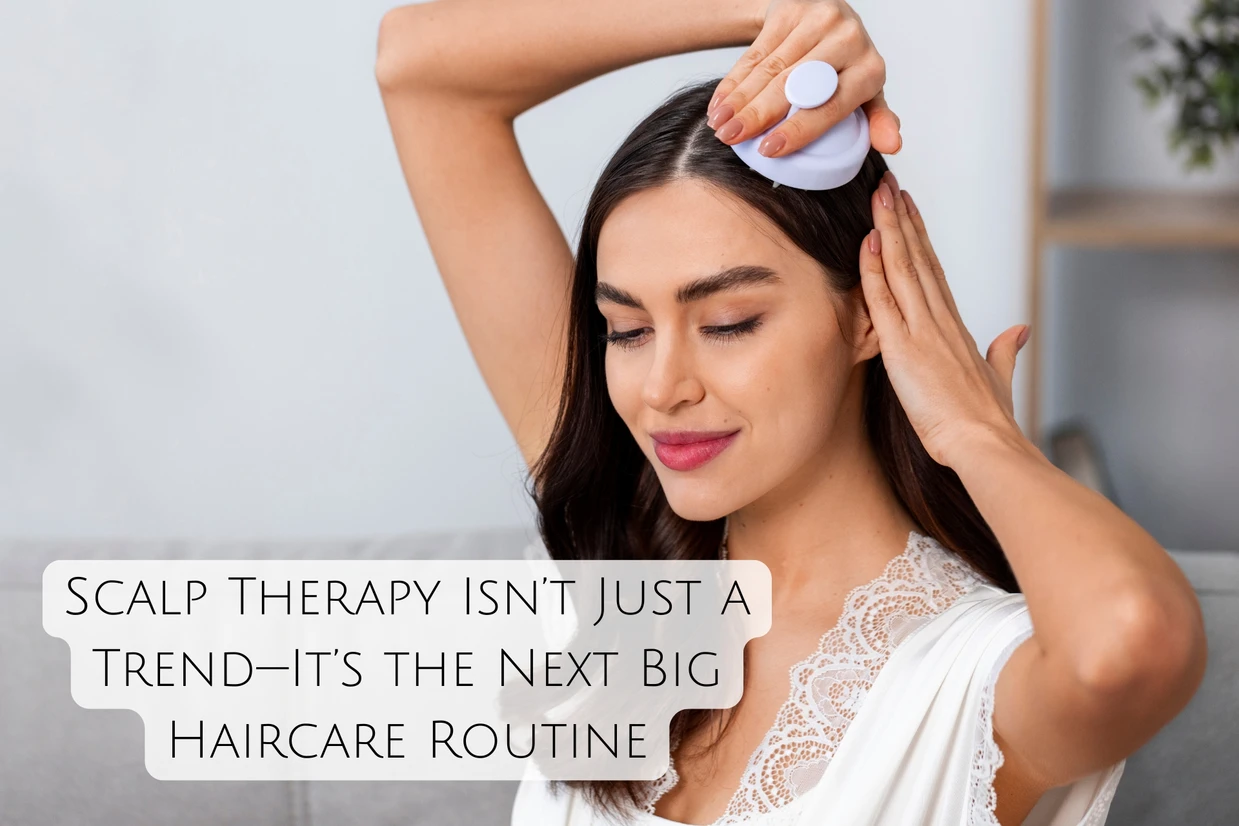
Scalp therapy isn't just a trend—it's the next big haircare routine that's changing how we think about healthy hair from the roots up. If you're dealing with thinning hair, dandruff, or just want stronger, shinier locks, this comprehensive approach targets the foundation where your hair actually grows.
This guide is for anyone ready to move beyond basic shampoo and conditioner. You'll discover the science-backed benefits that make scalp therapy so effective, learn about common scalp issues and how targeted treatments can help, and get practical techniques to build your own personalized routine. We'll also break down when to try DIY methods versus booking professional treatments.
Your scalp is skin too—and just like your face, it needs proper care to function at its best. Ready to unlock your hair's full potential?
Understanding Scalp Therapy:
Defining scalp therapy beyond surface treatments:
Scalp therapy goes way deeper than just washing your hair with fancy shampoos or getting an occasional head massage. Think of it as a comprehensive approach that treats your scalp like the complex ecosystem it actually is. While most people focus on making their hair look shiny and clean, scalp therapy zeroes in on creating optimal conditions for hair growth and overall scalp health.
The foundation of true scalp therapy involves understanding that your scalp is living skin with its own microbiome, blood circulation patterns, and sebaceous gland activity. This skin needs targeted care that addresses issues like inflammation, bacterial imbalances, clogged follicles, and poor circulation. Real scalp therapy combines mechanical techniques like massage and exfoliation with therapeutic ingredients that can penetrate the skin barrier and create lasting changes.
What separates legitimate scalp therapy from marketing gimmicks is the focus on long-term scalp health rather than quick cosmetic fixes. The goal isn't just to make your hair feel soft for a day—it's about creating an environment where hair follicles can function at their best, inflammation stays under control, and the natural balance of oils and bacteria remains stable.
Scientific Evidence Behind Scalp Health Benefits:
- Research linking scalp condition to hair growth:
Multiple studies demonstrate a link between scalp health and hair growth. A 2019 International Journal of Trichology study showed that participants with optimal scalp pH (4.5-5.5) experienced 23% faster hair growth than those with compromised scalps.
Dermatological research also indicates that scalp inflammation correlates with reduced hair follicle activity, causing follicles to enter a prolonged resting phase and slow growth. Research in Japan further revealed that targeted therapy to maintain healthy scalp conditions led to measurably thicker hair and reduced hair loss within 12 weeks.
- Impact of scalp circulation on follicle function:

Scalp massage enhances hair follicle nourishment by increasing blood flow, which delivers vital nutrients and oxygen. Laser Doppler flowmetry shows a 69% increase in microcirculation immediately following massage, lasting for several hours. Conversely, poor circulation deprives follicles of essential nutrients like iron, zinc, and B vitamins, weakening hair and potentially causing dormancy.
Thermographic imaging indicates that regular scalp massage sustains elevated baseline circulation. A three-month study revealed that daily scalp massage led to warmer scalp temperatures, indicating improved blood flow, and resulted in stronger hair growth.
Common Scalp Issues That Therapy Can Address:
- Dryness and Flaking Problems:

Dry scalp, a common condition affecting millions, results in itching and visible flakes. Its causes extend beyond harsh shampoos to include cold weather, overwashing, aging, and skin conditions like eczema or psoriasis, all of which deplete the scalp's natural oils. Scalp therapy addresses dryness by hydrating the scalp through gentle massages with nourishing oils like jojoba or argan to restore moisture and improve circulation. Regular deep conditioning treatments formulated for the scalp can also replenish moisture and promote healthier hair growth. It's important to differentiate dry scalp, characterized by small, white flakes and tightness, from dandruff, which presents as larger, yellowish flakes caused by fungal overgrowth. - Excess Oil Production and Clogged Follicles:

An oily scalp, often stemming from active sebaceous glands, is worsened by stress, hormonal shifts, and product buildup. Excess sebum mixed with dead skin cells and products creates follicle-clogging buildup, potentially causing scalp acne or hair loss.
Therapeutic scalp treatments clarify and remove buildup without stimulating excess oil production. Clay masks draw out impurities, while salicylic acid exfoliates and unclogs follicles. Professional steaming enhances deep cleansing.
- Hair Thinning and Loss Prevention:

Hair thinning often stems from underlying scalp issues like poor circulation, clogged follicles, and inflammation, exacerbated by DHT sensitivity, stress, and nutritional deficiencies. Scalp therapy aims to optimize hair growth through treatments like microneedling, which boosts circulation and treatment absorption, and scalp massages with rosemary or peppermint oil, shown to promote regrowth. Professional solutions include scalp micropigmentation for cosmetic enhancement and PRP treatments to revitalize follicles. Early intervention is key, as treatment effectiveness decreases once follicles cease functioning.
The Key Components of Scalp Therapy:
1. Scalp Cleansing:
Think of this step as detoxing your scalp. Specialized cleansers or exfoliating scrubs remove buildup and dead skin cells, promoting better absorption of nutrients.
- Massage and Stimulation:

A simple massage can work wonders for circulation. It relaxes the scalp muscles while increasing oxygen and nutrient delivery to follicles. Tools like scalp brushes or vibration massagers enhance the experience and results. - Hydration and Nourishment:
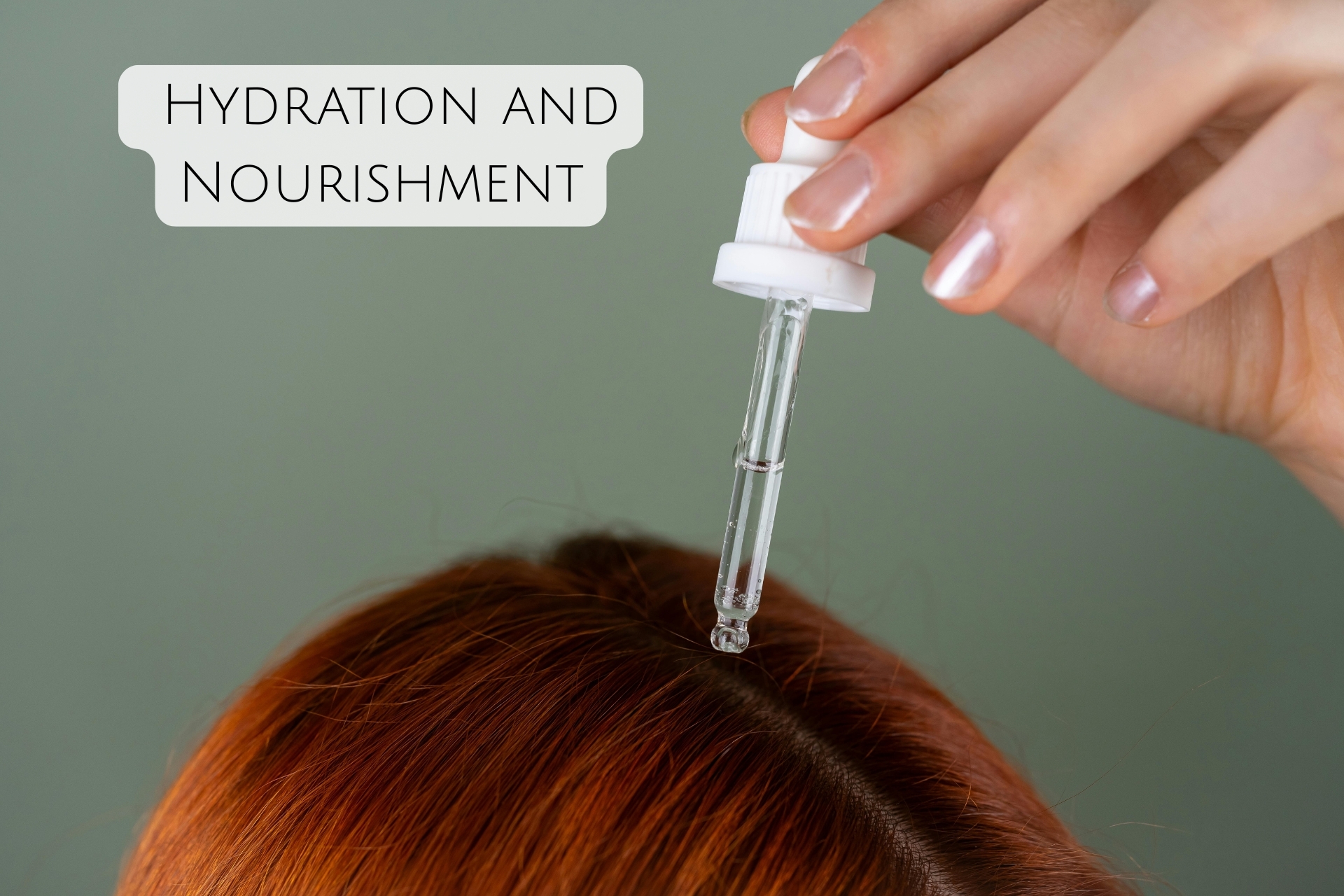
Scalp serums and oils enriched with ingredients such as rosemary oil, niacinamide, or salicylic acid help balance moisture levels and soothe irritation. They also strengthen roots over time. - Targeted Treatments:
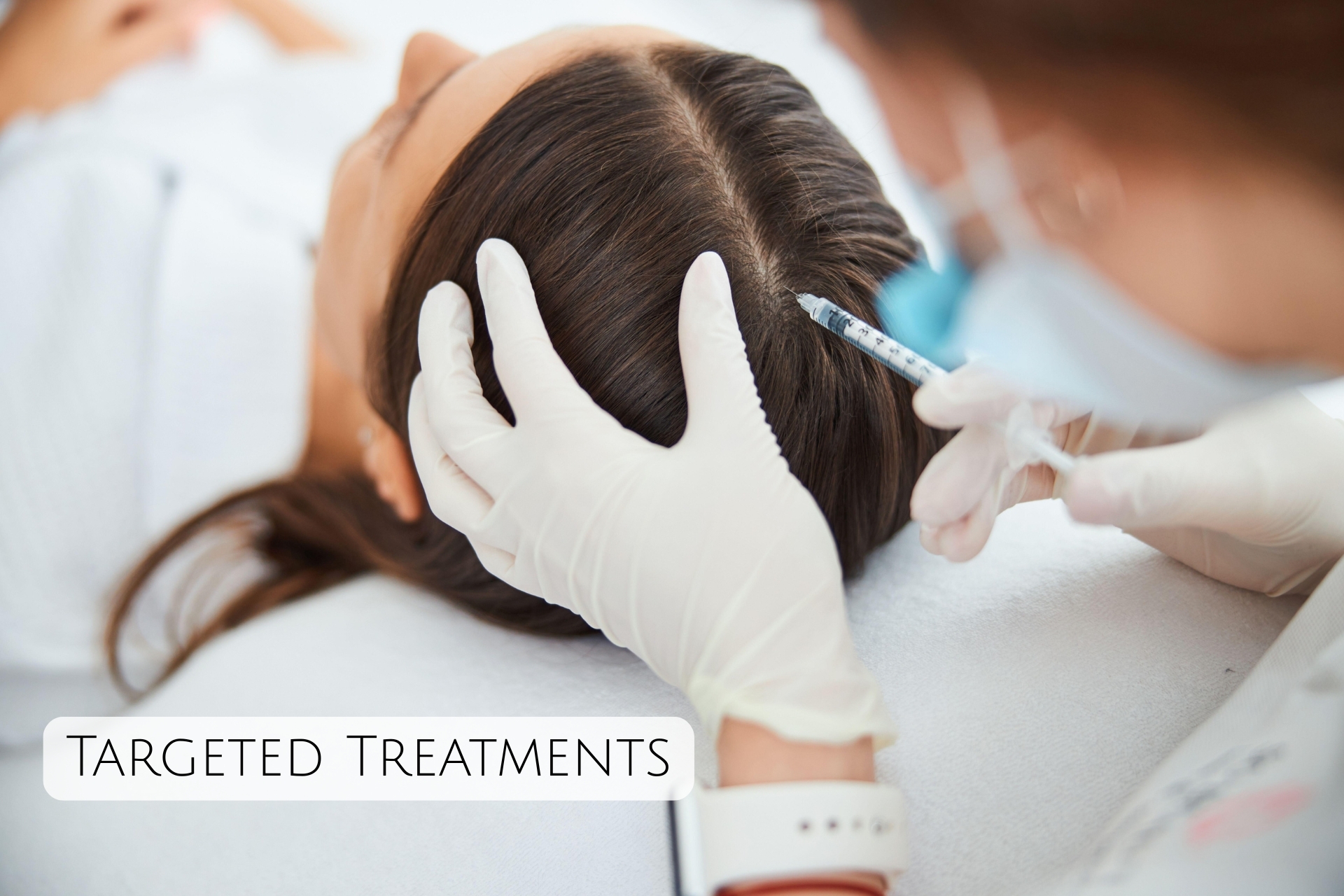
People struggling with dandruff, sensitivity, or hair loss can use clinically backed treatments like peptide serums, caffeine-infused solutions, or plant-based tonics for visible improvement.
Building Your Personalized Scalp Care Routine:
-
Morning Preparation and Cleansing Steps:
- Massage your scalp gently with fingertips for 30-60 seconds before shampooing to boost circulation and loosen buildup.
- When washing, focus shampoo on your scalp, using lukewarm water to avoid stripping natural oils and irritating the skin.
- Apply shampoo in small amounts, working it in circular motions, especially on oily or flaky areas. Rinse thoroughly to prevent residue buildup.
-
Weekly Deep Treatment Protocols:
- Devote one day weekly to intensive scalp care. Start by dry brushing with a boar bristle brush to distribute oils and exfoliate.
- Follow with a scalp mask: clay-based for oily scalps, oil-infused for dry. Gently massage while the mask sits for 10-15 minutes.
- For deeper penetration, use a steam treatment by wrapping a warm, damp towel or using a handheld steamer.
- Address specific concerns like dandruff or thinning hair with targeted serums or treatments containing salicylic acid, tea tree oil, or peptides.
-
Product Selection Based on Scalp Type:
- Oily scalps benefit from clarifying shampoos containing zinc pyrithione or coal tar used 2-3 times per week; choose lightweight, non-comedogenic products.
- Dry or sensitive scalps require gentle, moisturizing formulas with ingredients like hyaluronic acid, ceramides, or natural oils; avoid sulfates and select cream-based or low-pH shampoos.
- Combination scalps may need two different products or a balancing formula.
- For irritated scalps, use fragrance-free, hypoallergenic products with minimal ingredients and always patch test first.
Kiwla’s Scalp Therapy Collection:
Kiwla transforms scalp therapy from concept to reality with a comprehensive collection of targeted shampoos, serums, oils, and treatments designed for Indian hair and scalp challenges like dandruff, oiliness, dryness, and thinning. From salicylic acid scalp therapy shampoos and tea tree/rosemary detox formulas to peptide-infused growth serums, argan-keratin elixirs, and leave-in scalp treatments with clinically proven actives like caffeine and mandelic acid, Kiwla offers solutions for every scalp type—clarifying oily buildup, soothing itch/flakes, boosting circulation, and promoting stronger follicle health. Whether building a weekly deep-clean ritual or daily nourishment routine, Kiwla’s global brands make professional-level scalp care accessible online in India, helping you achieve balanced, flake-free scalps and visibly thicker, healthier hair with consistent use.
Conclusion:
Your scalp deserves the same attention you give to your skin and hair. We've explored how scalp therapy addresses everything from dandruff and irritation to thinning hair and clogged follicles, backed by real science that shows healthier scalps lead to stronger, more vibrant hair. The techniques and tools available today make it easier than ever to create a routine that works for your specific needs, whether you're dealing with dryness, excess oil, or sensitivity.
The beauty of scalp therapy lies in its flexibility—you can start simple with gentle massages and targeted products at home, or invest in professional treatments for more intensive care. What matters most is consistency and finding the right approach for your scalp type. Don't wait for problems to develop. Start incorporating scalp-focused steps into your routine now, and you'll likely notice improvements in both how your scalp feels and how your hair looks and grows.
Recent Posts
-

Modern Beauty Minimalism: How Ghost Lashes and Bare-Glam Are Changing Beauty Standards
Introduction: Beauty trends have always been cyclical, but the latest sensation sweeping through Ind
-

The Fungus Inside Us: How the Mycobiome is Linked to Cancer
When we think about the organisms within us, the first thought is often bacteria—the gut microbiome
-

Scalp Therapy Isn’t Just a Trend—It’s the Next Big Haircare Routine
Introduction:Scalp therapy isn't just a trend—it's the next big haircare routine that's changing how